
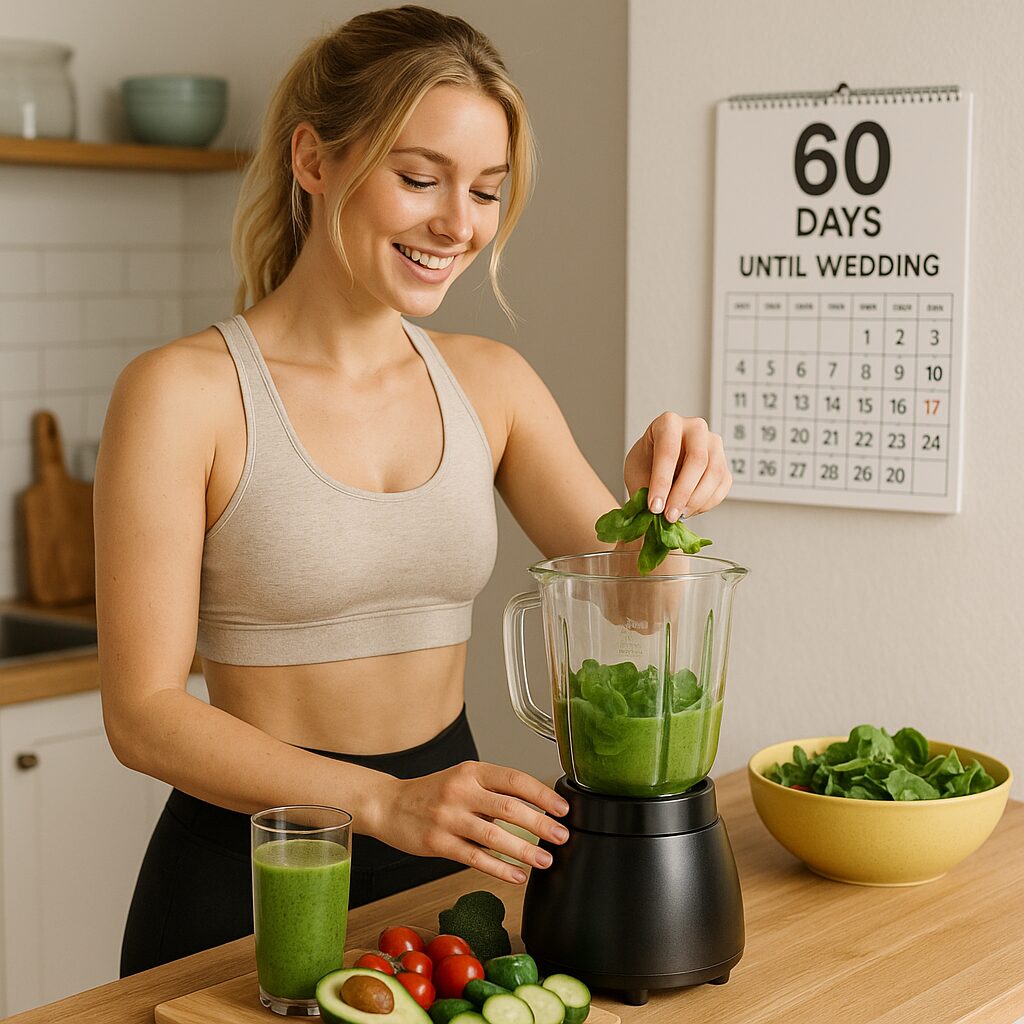
The Ultimate 60-Day Wedding Diet Plan: Transform Your Body for the Big Day
Your wedding day is approaching, and you want to look and feel your absolute best as you walk down the aisle. With just 60 days to go, you’re searching for an effective, healthy way to shed those extra pounds and tone your body. The 60-day wedding diet has become increasingly popular among brides and grooms who want to make meaningful changes to their appearance before their big day. This comprehensive guide will walk you through a realistic, sustainable approach to pre-wedding weight loss that won’t leave you hungry, irritable, or lacking energy during one of the most exciting times of your life. From nutrition fundamentals to weekly meal plans, workout suggestions to stress management techniques, we’ve got everything you need to achieve your wedding body goals in just two months.
Understanding the 60-Day Wedding Diet: Realistic Goals and Expectations
Before diving into any pre-wedding diet plan, it’s crucial to set realistic expectations. In 60 days, healthy and sustainable weight loss typically ranges from 8-12 pounds. Trying to lose more could lead to unhealthy practices and potential rebound weight gain after your wedding.
The 60-day timeline strikes an ideal balance. It’s long enough to see meaningful results but short enough to maintain focus and motivation. This timeframe allows for gradual, healthy changes rather than extreme measures that could impact your health.
Remember: Your wedding day is about celebrating love, not achieving an unrealistic body standard. The goal is to feel confident and comfortable, not to reach a specific number on the scale.
Many pre-wedding diet plans dangerously restrict calories to under 800 per day. These extreme approaches can lead to:
- Nutrient deficiencies
- Metabolic slowdown
- Increased risk of infection
- Potential organ damage
- Post-wedding weight rebound
Our 60-day approach focuses on balanced nutrition, moderate calorie deficits, and sustainable habits you can maintain even after saying “I do.” This isn’t a crash diet—it’s the beginning of a healthier lifestyle.
The Foundation of a 60-Day Pre-Wedding Diet: Nutrition Basics
A successful 60-day wedding diet plan starts with understanding fundamental nutrition principles. The goal isn’t just weight loss but achieving it through nourishing your body properly. This foundation ensures you’ll look radiant on your wedding day.
First, calculate your calorie needs based on your current weight, height, age, and activity level. For healthy weight loss, women should rarely go below 1,200 calories and men below 1,500 calories daily. A moderate deficit of 500 calories per day can lead to approximately 1 pound of weight loss per week.
Your diet should follow this macronutrient distribution:
- Protein: 25-30% of daily calories (helps preserve muscle mass during weight loss)
- Carbohydrates: 40-45% of daily calories (prioritize complex carbs for sustained energy)
- Healthy fats: 25-30% of daily calories (essential for hormone function and satiety)
Focus on nutrient-dense foods rather than empty calories. Include plenty of:
- Lean proteins (chicken, fish, tofu, legumes)
- Fresh fruits and vegetables (aim for variety in colors)
- Whole grains (quinoa, brown rice, oats)
- Healthy fats (avocados, nuts, olive oil)
Hydration is equally important. Aim for at least 8-10 glasses of water daily. Sometimes thirst is mistaken for hunger, and proper hydration supports metabolism and skin health—critical for that wedding day glow.
Week-by-Week Breakdown: Your 60-Day Wedding Diet Timeline
A structured timeline helps maintain focus and allows for adjustments as needed. Here’s a week-by-week breakdown of your 60-day wedding transformation journey:
Weeks 1-2: Establishing Your Foundation
The first two weeks focus on building sustainable habits. Begin by eliminating obvious sources of empty calories. Cut out sugary beverages, processed foods, and excessive alcohol. Start a food journal to increase awareness of eating patterns.
Establish a consistent meal schedule with three balanced meals and two small snacks daily. This approach prevents extreme hunger that leads to overeating. Begin incorporating more water into your routine, aiming for 8-10 glasses daily.
Start with gentle exercise—30 minutes of walking daily or beginner-friendly yoga. The goal is consistency rather than intensity at this stage. Take baseline measurements and photos (not just weight) to track non-scale progress throughout the journey.
Weeks 3-4: Refining Your Approach
By weeks 3-4, your body is adjusting to new habits. Now it’s time to refine your nutrition. Focus on portion control using the plate method: half vegetables, quarter lean protein, quarter complex carbohydrates. Incorporate more fiber-rich foods to increase satiety and support digestive health.
Increase exercise intensity by adding strength training twice weekly. Building muscle boosts metabolism and creates more defined contours. Continue cardiovascular exercise 3-4 times weekly, perhaps trying interval training for efficiency.
Start practicing mindful eating techniques. Put away distractions during meals, chew thoroughly, and pause between bites. This practice helps reduce overall consumption and improves digestion.
Weeks 5-6: Intensifying Your Efforts
The middle phase of your 60-day wedding diet is the time to intensify efforts slightly. Your body has adjusted to initial changes, allowing for moderate increases in exercise intensity. Add one additional day of strength training and incorporate high-intensity interval training (HIIT) twice weekly for maximum calorie burn.
Fine-tune your nutrition by examining macronutrient balance. Ensure adequate protein intake (approximately 0.8-1g per pound of body weight) to support muscle maintenance during weight loss. Experiment with meal timing, perhaps trying earlier dinners to improve overnight fat metabolism.
Begin addressing emotional eating patterns if they emerge. Wedding planning can be stressful, making emotional eating common. Develop alternative coping mechanisms like short walks, deep breathing, or journaling.
Weeks 7-8: Maintaining and Refining
The final stretch focuses on consistency rather than drastic changes. Your body needs stability as the wedding approaches. Maintain your established exercise routine but prioritize recovery with sufficient sleep and rest days. Consider adding yoga or stretching to reduce stress and improve posture.
Monitor your progress and make minor adjustments if needed. This isn’t the time for extreme measures. Focus on nutrient timing to maximize energy and recovery. Consider working with a nutritionist for fine-tuning if you’re not seeing desired results.
Begin incorporating beauty-focused nutrition by increasing foods rich in antioxidants for skin health. Colorful fruits and vegetables, fatty fish, nuts, and seeds all contribute to that wedding day glow.
60-Day Bridal Diet Meal Plan: Nutrition for Your Wedding Countdown
A well-planned meal strategy is crucial for your 60-day wedding diet success. This section provides a framework rather than rigid rules. Adapt these suggestions to your preferences and dietary requirements. The key is balanced nutrition that creates a moderate calorie deficit.
Breakfast Options (300-400 calories)
- Greek yogurt parfait with berries, 1 tablespoon honey, and 1/4 cup low-sugar granola
- Veggie omelet (2 eggs or 3 whites) with spinach, tomatoes, and 1/4 avocado
- Overnight oats made with almond milk, chia seeds, and cinnamon topped with sliced apple
- Smoothie with plant protein, spinach, berries, and 1 tablespoon nut butter
- Avocado toast on whole-grain bread with sliced tomato and two poached eggs
Lunch Options (400-500 calories)
- Grilled chicken salad with mixed greens, colorful vegetables, and olive oil vinaigrette
- Turkey and avocado wrap with lettuce, tomato, and mustard in a whole-grain tortilla
- Quinoa bowl with roasted vegetables, chickpeas, and tahini dressing
- Lentil soup with a side salad and small whole-grain roll
- Salmon and vegetable grain bowl with lemon-dill dressing
Dinner Options (400-500 calories)
- Baked white fish with roasted asparagus and small sweet potato
- Stir-fried tofu with mixed vegetables and 1/2 cup brown rice
- Grilled chicken breast with steamed broccoli and quinoa
- Turkey meatballs with zucchini noodles and tomato sauce
- Shrimp and vegetable skewers with small portion of couscous
Snack Options (150-200 calories each)
- Apple with 1 tablespoon almond butter
- 1/4 cup hummus with cucumber and carrot sticks
- Small handful of mixed nuts (about 1 ounce)
- Greek yogurt with cinnamon
- 2 rice cakes with 1/4 avocado and everything bagel seasoning
Remember to adjust portion sizes based on your specific calorie needs. Studies show that meal planning increases diet success rates by up to 53%. Consider prepping meals in advance during busy wedding planning phases.
Exercise Essentials: Complementing Your 60-Day Wedding Diet
Exercise complements your dietary changes in your 60-day wedding transformation. The right workout routine accelerates results, improves mood, and reduces stress during wedding planning. Balance is essential—overtraining can increase stress hormones and hinder progress.
For optimal results, combine these exercise types:
Cardiovascular Exercise (3-4 sessions weekly)
Cardio burns calories and improves cardiovascular health. Options include:
- Steady-state cardio: 30-45 minutes of moderate-intensity walking, jogging, cycling, or swimming
- High-intensity interval training (HIIT): 20-30 minutes of alternating intense bursts with recovery periods
- Dance cardio: Fun, wedding-appropriate option that improves coordination
Strength Training (2-3 sessions weekly)
Resistance training preserves muscle during weight loss and creates definition. Focus on:
- Full-body circuits: Efficient for busy wedding planners
- Upper body emphasis: For strapless or sleeveless dresses
- Lower body focus: Creates balanced proportions
- Core strengthening: Improves posture and waistline definition
Flexibility and Stress Reduction (2-3 sessions weekly)
These workouts improve recovery and manage wedding planning stress:
- Yoga: Improves posture, reduces stress, and enhances mind-body connection
- Pilates: Strengthens core and improves posture for wedding day confidence
- Stretching routines: Prevents injuries and improves overall movement quality
Schedule workouts realistically amid wedding planning commitments. Even short, consistent sessions yield better results than occasional lengthy workouts. Consider exercising with your partner for accountability and shared goals.
Remember dress fittings when planning workouts. Schedule intense sessions away from fitting days to avoid temporary bloating or muscle swelling that might affect measurements.
Avoiding Common Pitfalls in Your 8-Week Wedding Diet Journey
Many brides and grooms encounter obstacles during their 60-day wedding diet. Awareness of these common pitfalls can help you navigate challenges successfully. Let’s explore potential problems and their solutions.
Extreme Restriction Leading to Binges: Severely limiting calories might initially accelerate weight loss but often leads to rebound overeating. Instead, create a moderate calorie deficit of 500 calories daily for sustainable fat loss that won’t trigger binges.
Stress-Induced Emotional Eating: Wedding planning creates unique stressors that can trigger emotional eating. Develop alternative stress-management techniques like brief meditation, deep breathing, or short walks. Consider scheduling regular “worry time” to address wedding concerns outside of mealtimes.
Social Events and Alcohol Consumption: Pre-wedding celebrations can derail your nutrition plan. Before events, eat a protein-rich snack to reduce temptation. Choose lower-calorie alcohol options (spirits with soda water) and alternate with plain water. Remember that alcohol affects judgment around food choices and interferes with quality sleep.
Weight Fluctuations Causing Anxiety: Daily weigh-ins can create unnecessary stress. Water retention, hormonal changes, and muscle development all affect the scale. Instead, weigh yourself weekly under consistent conditions and track additional metrics like measurements, energy levels, and how clothes fit.
Neglecting Sleep and Recovery: Insufficient sleep increases hunger hormones and cravings. Prioritize 7-8 hours nightly, even during busy planning periods. Create a calming bedtime routine and consider scheduling rest days in your exercise program to prevent burnout.
Unrealistic Comparison to Others: Social media can create unrealistic expectations about wedding transformations. Remember that genetics, starting points, and life circumstances vary enormously. Focus exclusively on your personal progress rather than comparing to others.
Beyond Physical Changes: Mental and Emotional Well-being During Your Pre-Wedding Diet
Your 60-day wedding diet journey involves more than physical transformation. Mental and emotional well-being significantly impact both your results and wedding planning experience. This holistic approach ensures you’ll feel your absolute best walking down the aisle.
Wedding planning naturally creates stress, which can affect weight loss efforts. The body releases cortisol during stress, potentially leading to increased abdominal fat storage and cravings. Implement these stress-management techniques into your 60-day plan:
- Schedule daily 10-minute meditation sessions
- Practice deep breathing during stressful planning moments
- Maintain a gratitude journal focused on non-appearance aspects of your relationship
- Set boundaries around wedding discussions (time limits, designated “wedding-free” days)
- Prioritize activities that bring joy unrelated to wedding or appearance
Body image concerns often intensify during wedding preparation. Research indicates that brides frequently experience increased body dissatisfaction. Combat negative thought patterns with these strategies:
- Practice affirmations celebrating what your body can do rather than how it looks
- Limit exposure to unrealistic wedding media that promotes narrow beauty standards
- Focus on health improvements (energy, sleep, strength) rather than aesthetic changes
- Consider working with a therapist if body image concerns become overwhelming
Sleep quality dramatically impacts both physical results and emotional resilience. Poor sleep increases hunger hormones and decreases willpower. Aim for consistent 7-8 hour sleep patterns by:
- Creating a relaxing bedtime routine free from wedding planning
- Limiting screen time before bed
- Keeping consistent sleep and wake times even on weekends
- Creating a cool, dark sleep environment
The Final Countdown: Two Weeks Before Your Wedding Day
The final two weeks of your 60-day wedding diet require special attention. This period isn’t about drastic measures but strategic adjustments to look and feel your best on your wedding day. The focus shifts from weight loss to optimization.
Fluid retention can affect how you look and feel in your wedding attire. Minimize bloating by:
- Reducing sodium intake (avoid processed foods, restaurant meals)
- Maintaining consistent water intake (don’t suddenly increase or decrease)
- Incorporating natural diuretic foods like cucumber, asparagus, and lemon water
- Limiting carbonated beverages that can cause gaseous bloating
- Moderating caffeine and alcohol consumption
Prioritize digestive health during this critical period. Wedding day comfort depends on it. Strategies include:
- Adding probiotic-rich foods like yogurt and fermented vegetables
- Ensuring adequate fiber intake while avoiding sudden increases
- Eating smaller, more frequent meals rather than large portions
- Identifying and avoiding personal trigger foods that cause discomfort
Now is not the time for experimentation or dramatic changes. Maintain consistent eating patterns and avoid:
- Trying new supplements or diet strategies
- Dramatically cutting calories at the last minute
- Introducing new foods that might cause unexpected reactions
- Overtraining or trying new intense workout routines
Prepare for the wedding week itself with practical planning:
- Schedule meal prep for busy wedding week days
- Pack emergency snacks for unpredictable schedules
- Plan your wedding day eating schedule (including breakfast!)
- Arrange for someone to ensure you stay hydrated on the big day
Beyond the Wedding: Transitioning Your 60-Day Diet into Sustainable Habits
Your 60-day wedding diet shouldn’t end after saying “I do.” The most successful approach transitions these short-term habits into a sustainable lifestyle. Many newlyweds experience weight rebound after their wedding. This pattern can be avoided with thoughtful planning.
First, adjust your caloric intake gradually after the wedding. Instead of immediately returning to pre-diet eating, slowly increase calories by 100-200 per week until reaching maintenance levels. This prevents metabolic confusion and reduces the risk of rapid weight regain.
Maintain regular exercise but shift the focus from calorie-burning to enjoyment and health. Explore activities you genuinely enjoy that fit into your new married life routine. Consider couple’s activities like hiking, tennis, or dance classes that strengthen your relationship while supporting fitness.
Continue meal planning and preparation as a couple. Sharing nutritious cooking responsibilities creates connection while maintaining healthy habits. Establish regular “check-in” conversations about health goals to ensure mutual support.
Set new non-weight-related health goals to maintain motivation. These might include:
- Training for a specific event (5K, hiking trip, obstacle course)
- Developing specific fitness skills (holding a plank longer, learning to swim)
- Improving wellness markers like sleep quality or stress levels
- Working toward long-term health goals related to starting a family if relevant
Remember that your wedding diet taught valuable skills beyond weight management—mindful eating, stress management, and healthy cooking techniques. These skills contribute to overall wellness throughout your marriage.
Conclusion: Your Personalized Path to Wedding Day Confidence
Your 60-day wedding diet journey is personal and unique. The most effective approach combines nutritional science with your individual preferences, lifestyle, and wedding vision. By focusing on sustainable habits rather than extreme measures, you’ve created a foundation for looking and feeling your best not just on your wedding day, but throughout your marriage journey. Remember that confidence comes not just from physical appearance but from nurturing your whole self—body, mind, and spirit. As you walk down the aisle, carry the knowledge that you’ve approached this transformation with self-respect and balance.
FAQs About the 60-Day Wedding Diet
How much weight can I realistically lose on a 60-day wedding diet?
A healthy, sustainable rate of weight loss is 1-2 pounds per week, meaning 8-16 pounds total over 60 days. Attempting to lose more than this through extreme measures can lead to muscle loss, nutritional deficiencies, and post-wedding weight rebound. Focus on composition changes (losing fat while maintaining muscle) rather than just the number on the scale.
Should I cut carbs completely during my 60-day wedding diet?
No, eliminating entire food groups is rarely sustainable or necessary. Carbohydrates provide essential energy, especially for exercise performance. Instead, focus on choosing complex carbohydrates (whole grains, fruits, vegetables) and reducing refined carbs (white bread, sugary foods). Most successful wedding diet plans include balanced macronutrients rather than extreme restriction.
How should I adjust my 60-day wedding diet plan if I have a dress fitting?
Schedule fittings in the morning when water retention is typically lowest. In the 2-3 days before fittings, avoid high-sodium foods and intense strength workouts that might cause temporary bloating or water retention. Maintain consistent hydration rather than dramatically increasing or decreasing water intake. Communicate your weight loss goals with your seamstress early in the process so alterations can be planned accordingly.
What should I eat on my actual wedding day during my 60-day diet plan?
Wedding day nutrition is about energy and comfort, not calorie restriction. Start with a balanced breakfast including protein, complex carbs, and healthy fat to stabilize blood sugar. Pack portable, non-messy snacks for between ceremony and reception. Stay hydrated but be mindful that excessive water consumption can cause bloating. Assign someone (bridesmaid, groomsman) to ensure you actually eat during the reception, as many couples get too busy to nourish themselves properly.
Can I include alcohol in my 60-day wedding diet plan?
Moderate alcohol consumption can fit into a wedding diet plan, but mindfulness is key. Alcohol contains empty calories (7 calories per gram), can increase appetite, and often leads to poorer food choices. If including alcohol, opt for lower-calorie options like spirits with calorie-free mixers, light wines, or light beers. Consider limiting drinking to 1-2 days per week during your 60-day plan, and always include these calories in your daily total.
What if I’m vegetarian or vegan? Can I still follow a 60-day wedding diet effectively?
Absolutely! Plant-based diets can be excellent for pre-wedding weight management. Focus on adequate protein from sources like legumes, tofu, tempeh, seitan, and if applicable, dairy or eggs. Ensure balanced nutrition with plenty of vegetables, fruits, whole grains, nuts, and seeds. Consider tracking nutrients like B12, iron, and omega-3s that sometimes require special attention in plant-based diets. Working with a registered dietitian familiar with vegetarian/vegan nutrition can be especially helpful.
How do I maintain my 60-day wedding diet results during my honeymoon?
Honeymoons should be enjoyable without strict diet rules. Focus on balance rather than restriction. Start each day with a nutritious breakfast to stabilize hunger. Stay active through enjoyable activities like swimming, walking tours, or hiking rather than formal workouts. Practice mindful indulgence by savoring special local foods in moderate portions rather than mindless overeating. Return to your established healthy habits immediately after the honeymoon rather than extending vacation eating indefinitely.
Is intermittent fasting appropriate for a 60-day wedding diet?
Intermittent fasting can work within a 60-day wedding diet if it suits your lifestyle and preferences. Common approaches include the 16:8 method (16 hours fasting, 8-hour eating window) or 5:2 (eating normally 5 days, restricting calories 2 non-consecutive days). The key is ensuring adequate nutrition during eating windows and being flexible around wedding events and tastings. If you experience light-headedness, extreme hunger, or mood disturbances, intermittent fasting may not be right for your pre-wedding period.
