
The Best Wedding Diet: Healthy Approaches to Looking and Feeling Your Best
Your wedding day is approaching, and naturally, you want to look and feel your absolute best as you walk down the aisle. With countless pre-wedding diet plans circulating online, it can be overwhelming to determine which approach is actually healthy and sustainable. Many brides and grooms-to-be fall into the trap of extreme dieting, potentially compromising their health in the process. This comprehensive guide will explore the best wedding diet strategies that prioritize not just appearance but overall wellbeing. We’ll cover everything from balanced meal plans and mindful eating practices to stress management and realistic fitness goals. Our aim is to help you create a pre-wedding wellness routine that leaves you feeling energized, confident, and radiant on your big day—without resorting to dangerous crash diets or unsustainable practices.
Understanding Healthy Wedding Weight Loss: Setting Realistic Expectations
When it comes to wedding preparation, weight loss is often a common goal for many couples. However, it’s crucial to approach this with a healthy mindset and realistic expectations.
Healthy weight loss typically ranges from 1-2 pounds per week. This gradual approach is not only more sustainable but also helps preserve muscle mass while primarily targeting fat loss.
Many pre-wedding diet plans advertise rapid results, often restricting calorie intake to less than 800 calories daily. These extreme approaches can be dangerous, potentially leading to:
- Nutritional deficiencies
- Metabolic damage
- Increased risk of infection
- Long-term organ damage
- Unsustainable habits that lead to weight regain
Rather than focusing solely on the scale, consider how you want to feel on your wedding day. Energy, confidence, and happiness should be primary goals, with weight management as just one component of overall wellness.
Begin your wedding preparation journey by consulting with healthcare professionals. A registered dietitian can help create a personalized meal plan that supports your goals while ensuring nutritional adequacy.
Remember that your body type and genetics play significant roles in determining your natural shape. Embracing these realities while making healthy improvements will lead to more sustainable results and greater satisfaction.
Nourishing Pre-Wedding Nutrition: The Foundation of the Best Bridal Diet Plan
Creating a balanced nutrition plan is the cornerstone of any effective pre-wedding diet. Focus on nutrient-dense whole foods that provide sustained energy and support overall health.
Protein should become your new best friend during wedding preparation. Include lean sources like chicken breast, fish, tofu, legumes, and low-fat dairy in each meal. This macronutrient helps preserve muscle mass during weight loss and increases satiety.
Complex carbohydrates provide essential energy without blood sugar spikes. Opt for:
- Whole grains (quinoa, brown rice, oats)
- Sweet potatoes and other starchy vegetables
- Fruits in moderate portions
- Legumes like beans and lentils
Healthy fats are crucial for hormone balance and skin health—both important for wedding preparation. Include avocados, olive oil, nuts, and fatty fish like salmon regularly.
Hydration plays a vital role in appetite regulation, digestion, and skin appearance. Aim for at least 8-10 glasses of water daily, potentially more if you’re increasing exercise.
A common pitfall in wedding diets is excessive restriction. Instead of eliminating entire food groups, practice portion control and mindful eating. This balanced approach prevents feelings of deprivation that often lead to binge eating.
Consider the timing of your meals as well. Many nutrition experts recommend eating smaller, more frequent meals to maintain stable blood sugar and energy levels throughout the day.
Sample One-Day Wedding Diet Meal Plan
| Meal | Food Options |
|---|---|
| Breakfast (7-8am) | Greek yogurt with berries and a tablespoon of chia seeds OR Two eggs with vegetables and a slice of whole-grain toast |
| Mid-Morning Snack (10-11am) | Apple with 1 tablespoon almond butter OR Small handful of nuts and a piece of fruit |
| Lunch (1-2pm) | Large salad with grilled chicken, lots of vegetables, and olive oil dressing OR Quinoa bowl with roasted vegetables and tofu |
| Afternoon Snack (4-5pm) | Vegetable sticks with hummus OR Small protein smoothie with berries |
| Dinner (7-8pm) | Baked salmon with steamed vegetables and sweet potato OR Turkey meatballs with zucchini noodles and tomato sauce |
Strategic Fitness for Brides and Grooms: Effective Wedding Workout Regimens
Exercise is a crucial component of any wedding preparation plan. The right fitness routine can help tone your body, boost your metabolism, and reduce stress.
For optimal results, combine different types of exercise in your weekly routine. A balanced approach might include:
- Strength training: 2-3 sessions weekly to build muscle and boost metabolism
- Cardiovascular exercise: 3-5 sessions weekly for fat burning and heart health
- Flexibility work: yoga or stretching sessions to improve posture and reduce stress
Many brides focus exclusively on cardio when trying to lose weight. However, strength training is equally important. Building lean muscle mass increases your resting metabolic rate, helping you burn more calories even when at rest.
Consider working with a certified personal trainer who can design a program specific to your goals, timeline, and current fitness level. Professional guidance can maximize results while minimizing injury risk.
Group fitness classes can add a fun social element to wedding preparation. Options like bridal boot camps specifically target common problem areas and may provide additional accountability.
If you’re new to exercise, start gradually. Begin with 20-30 minute sessions three times weekly, then gradually increase duration and intensity as your fitness improves.
Pay attention to how your wedding dress will fit. If you’re wearing a strapless gown, for example, you might want to include exercises that target the shoulders and upper back.
Sample Wedding Fitness Timeline
| Months Before Wedding | Focus Areas | Suggested Activities |
|---|---|---|
| 6+ months | Building base fitness | Regular cardio, introducing strength training, finding activities you enjoy |
| 3-6 months | Building strength, increasing workout intensity | Consistent strength training, HIIT workouts, targeted toning exercises |
| 1-3 months | Refinement and toning | Focus on problem areas, maintain strength, add stress-reducing activities |
| Final month | Maintenance and stress reduction | Maintain routine but avoid increasing intensity, add yoga or meditation |
Stress Management: The Often-Overlooked Component of Wedding Weight Loss
Wedding planning can be incredibly stressful, and this stress can directly impact your weight loss efforts. High stress levels increase cortisol production, which can lead to increased appetite and fat storage.
Integrating stress management techniques into your daily routine is just as important as diet and exercise. Consider incorporating the following practices:
- Meditation or mindfulness: Even 5-10 minutes daily can significantly reduce stress hormones
- Adequate sleep: Aim for 7-8 hours nightly to support hormone balance and recovery
- Scheduled self-care: Block time for activities that help you relax and recharge
- Setting boundaries: Learn to say no to additional commitments when feeling overwhelmed
Emotional eating is a common response to wedding planning stress. Identify your personal stress triggers and develop healthy coping mechanisms that don’t involve food.
Many brides report that wedding planning consumes so much time that healthy habits fall by the wayside. Meal prepping and scheduling workouts like important appointments can help maintain consistency.
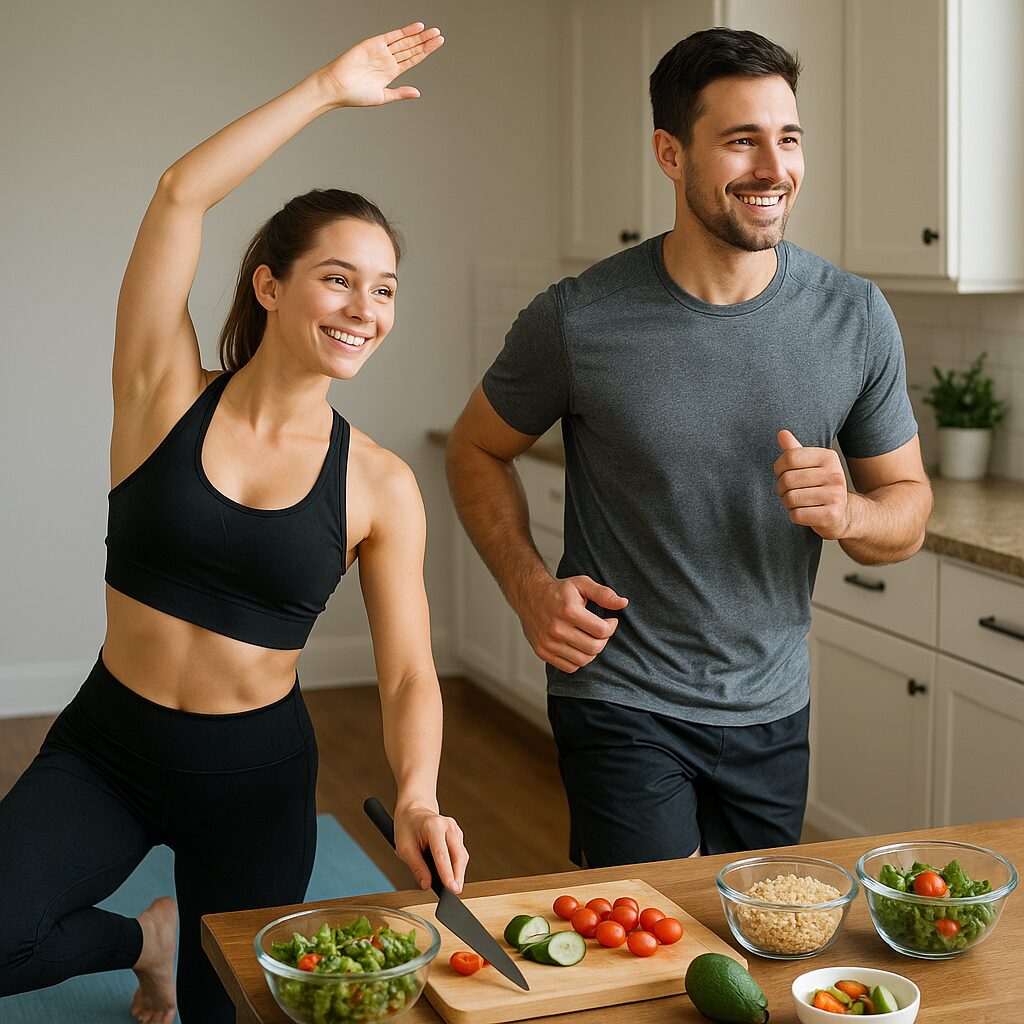
Consider involving your partner in your wellness journey. Joint meal preparation and workout sessions can be quality time together while supporting mutual health goals.
Remember that perfectionism can be counterproductive. Allow flexibility in your plan and avoid beating yourself up over occasional indulgences or missed workouts.
Avoiding Pre-Wedding Bloating: Foods That Could Sabotage Your Wedding Look
In the days leading up to your wedding, certain foods can cause temporary bloating and water retention. Being mindful of these potential triggers can help you feel your best on your big day.
Common bloat-inducing foods to consider limiting, especially in the week before your wedding, include:
- High-sodium foods: Processed foods, canned soups, deli meats, and restaurant meals
- Carbonated beverages: Soda, sparkling water, and beer can cause gas and bloating
- Certain vegetables: Cruciferous vegetables like broccoli, cauliflower, and Brussels sprouts
- Artificial sweeteners: Found in sugar-free products and can cause digestive discomfort
- Alcohol: Causes dehydration and inflammation
Instead, focus on naturally diuretic foods that can help reduce water retention. These include cucumber, asparagus, watermelon, celery, and lemon water.
Fiber is important for digestive health, but dramatically increasing fiber intake right before your wedding can cause temporary bloating. Maintain consistent fiber intake throughout your wedding preparation.
Stay well-hydrated in the days leading up to your wedding. Proper hydration actually helps reduce water retention and supports overall digestive function.
Consider tracking your individual food reactions in the months before your wedding. Many people have unique sensitivities that can cause bloating, such as dairy or gluten.
Planning for the Wedding Week: Final Preparation Diet Strategy
The week before your wedding requires special attention to your diet. This isn’t about last-minute weight loss but rather optimizing how you feel and look on your wedding day.
Focus on consistency during this crucial week. Now is not the time to try new foods, crash diets, or fasting protocols that could lead to low energy or digestive issues.
Prioritize anti-inflammatory foods that support skin clarity and reduce puffiness. Include plenty of:
- Fatty fish rich in omega-3s
- Colorful berries and other antioxidant-rich fruits
- Leafy greens and other non-bloating vegetables
- Nuts and seeds
- Green tea
Maintain portion control but don’t severely restrict calories this close to your wedding. Extreme restriction can lead to fatigue, irritability, and even skin problems—none of which you want on your wedding day!
Consider preparing a “day-of” wedding nutrition plan. Many couples get so caught up in the excitement that they forget to eat, leading to low blood sugar, fatigue, or alcohol hitting too hard.
Pack a small wedding-day emergency kit with portable, non-messy snacks like protein bars, nuts, or dried fruit. These can be lifesavers during long photography sessions or reception gaps.
Wedding Day Nutrition Timeline
| Time of Day | Suggested Nutrition |
|---|---|
| Morning | Balanced breakfast with protein, healthy fats, and complex carbs (e.g., egg white omelet with vegetables and avocado) |
| During preparation | Light protein-based snacks and plenty of water (e.g., Greek yogurt with berries, handful of nuts) |
| Pre-ceremony | Small protein-rich snack to stabilize blood sugar (e.g., small protein shake or half a sandwich) |
| Reception | Make time to actually eat your meal! Consider asking the venue to save portions for later if needed |
Psychological Aspects of Wedding Diets: Maintaining a Healthy Relationship with Food
The pressure to look “perfect” on your wedding day can sometimes lead to unhealthy relationships with food and body image. Nurturing a positive mindset is essential for both your physical and mental wellbeing.
Remember that your partner is marrying you for who you are, not a specific dress size. Focus on health improvements rather than achieving a particular weight or appearance standard.
Avoid comparing yourself to celebrity brides or social media influencers. Many wedding images are heavily edited, and comparing yourself to these unrealistic standards can damage self-esteem.
Beware of crash diets that promise dramatic results. These approaches often lead to disordered eating patterns that can extend beyond your wedding day and into your marriage.
Consider working with a registered dietitian who specializes in intuitive eating. This approach focuses on honoring hunger cues and developing a healthy relationship with all foods rather than labeling foods as “good” or “bad.”
If you notice signs of disordered eating patterns developing, such as extreme food rules, anxiety around eating, or obsessive thoughts about weight, seek professional support promptly.
Practice positive self-talk throughout your wedding preparation journey. Acknowledge your progress and the healthy changes you’re making rather than focusing on perceived flaws.
Remember that your wedding is one day, but your health is for life. Any changes you make should support your long-term wellbeing, not just a temporary appearance goal.
Long-Term Success: Maintaining Healthy Habits After the Wedding
Many couples put immense effort into pre-wedding health routines only to abandon them immediately after the big day. Creating a transition plan can help you maintain your progress and continued wellbeing into marriage.
Rather than viewing your wedding diet as a temporary fix, use it as an opportunity to establish healthy habits that support lifelong wellness. Consider which aspects of your pre-wedding routine made you feel your best.
Recognize that some adjustment after the wedding is natural. Your routine might need modification to accommodate married life, but core healthy habits can remain.
Many couples report weight gain in the first year of marriage due to more social dining, comfort in the relationship, and shifting priorities. Being mindful of this tendency can help you maintain balance.
Consider setting new health goals as a couple after the wedding. Whether it’s training for a race together or cooking healthy meals at home, shared wellness activities can strengthen your relationship.
Meal planning and preparation remains one of the most effective strategies for maintaining healthy eating habits long-term. Set aside time each week to plan and prepare nutritious meals together.
Regular check-ins with yourself about your relationship with food and body image can help prevent slipping into unhealthy patterns. Remember that health encompasses physical, mental, and emotional wellbeing.
Customizing Your Wedding Diet Plan: Special Considerations
Every individual has unique dietary needs and preferences. Customizing your wedding preparation approach ensures better adherence and results.
For those with dietary restrictions such as vegetarian, vegan, gluten-free, or specific allergies, working with a nutrition professional can help ensure adequate nutrient intake while supporting your goals.
Consider your wedding’s timing and location when planning your approach. A summer beach wedding might inspire different goals than a winter formal affair. Tailor your plan accordingly.
Your current fitness level and baseline health status should inform your starting point. Someone who rarely exercises will need a more gradual approach than someone with an established fitness routine.
Timeline matters significantly in wedding preparation. Those with 12+ months have the luxury of making very gradual changes, while those with shorter timelines may need more structured approaches.
Budget considerations can impact wedding preparation. If personal training or specialized meal services aren’t affordable, look for quality free resources like workout apps and budget-friendly meal planning tools.
Consulting with healthcare providers before beginning any wedding diet plan is especially important if you have pre-existing health conditions like diabetes, PCOS, thyroid disorders, or a history of eating disorders.
Conclusion: Creating Your Best Wedding Diet Approach
The best wedding diet is one that supports not just how you look, but how you feel on your special day and beyond. By focusing on nourishing foods, sustainable exercise, stress management, and a positive mindset, you can approach your wedding day feeling energized, confident, and radiant. Remember that health is multidimensional—encompassing physical, mental, and emotional wellbeing. Avoid extreme approaches that compromise any aspect of your health. Instead, use your wedding as motivation to establish healthy habits that will benefit you throughout your marriage and life together. Your wedding day marks the beginning of a new journey—let it also be the start of a balanced, sustainable approach to lifelong wellness.
For more personalized guidance, consider consulting with a registered dietitian who specializes in wedding preparation, or explore resources from trusted health authorities.
FAQs About The Best Wedding Diet
When should I start my wedding diet plan?
Ideally, begin 6-12 months before your wedding for the most sustainable approach. This timeline allows for gradual changes (1-2 pounds of weight loss per week maximum) and gives you time to build healthy habits. Starting too close to your wedding may tempt you toward extreme measures that could compromise your health and wellbeing. If your wedding is less than 6 months away, focus on quality nutrition and consistent exercise rather than dramatic weight loss goals.
What foods should I avoid before my wedding?
In the final week before your wedding, consider limiting foods that commonly cause bloating or water retention, including high-sodium processed foods, carbonated beverages, alcohol, artificial sweeteners, and gas-producing vegetables (broccoli, cauliflower, Brussels sprouts). Throughout your wedding preparation, minimize ultra-processed foods, excessive sugary treats, and alcohol, as these can interfere with weight management goals and skin clarity. However, avoid extreme restriction of entire food groups unless medically necessary, as this can lead to nutritional deficiencies and unsustainable habits.
How much weight can I realistically lose before my wedding?
Healthy, sustainable weight loss typically occurs at a rate of 1-2 pounds per week. Using this guideline, you might realistically lose 4-8 pounds per month with proper nutrition and exercise. For a six-month timeline, this translates to approximately 24-48 pounds maximum—though individual results vary significantly based on starting weight, metabolism, consistency, and genetic factors. Focus on non-scale victories too, like increased energy, improved skin clarity, better sleep, and how clothes fit, rather than fixating solely on a number on the scale.
What should I eat on my wedding day?
Start your wedding day with a balanced breakfast containing protein, healthy fats, and complex carbohydrates to stabilize blood sugar and provide sustained energy (examples: egg white omelet with vegetables, oatmeal with nuts and berries, or Greek yogurt with fruit). Throughout the day, have small, protein-rich snacks available to prevent hunger and low blood sugar. Avoid new or unusual foods that might cause digestive discomfort. Stay well-hydrated with water, but limit excess fluid intake right before the ceremony to minimize bathroom breaks. Most importantly, make time to actually eat during your reception—many couples get so busy they forget to enjoy their meal!
Are pre-wedding cleanses or detoxes effective?
Most commercial pre-wedding cleanses and detoxes are unnecessary and potentially harmful. Your body has natural detoxification systems (primarily your liver and kidneys) that function optimally when supported by consistent healthy nutrition, adequate hydration, and regular exercise—not extreme protocols. Many cleanses result primarily in water weight loss that quickly returns. Instead of short-term “quick fixes,” focus on sustainable practices like increasing vegetable intake, staying well-hydrated, limiting processed foods, and supporting digestive health through fiber and probiotics. These approaches provide longer-lasting benefits for both appearance and wellbeing.
What exercise is most effective for wedding preparation?
The most effective wedding preparation workout routine combines strength training, cardiovascular exercise, and flexibility work. Strength training (2-3 times weekly) builds metabolically active muscle tissue and creates definition. Cardiovascular exercise (3-5 times weekly) burns calories and improves endurance for your long wedding day. Flexibility work like yoga or Pilates improves posture for photographs and reduces stress. The best exercise program is ultimately one you’ll maintain consistently, so choose activities you enjoy. Consider your wedding dress style when planning targeted toning—for example, focusing on shoulders and arms for strapless gowns, or core work for fitted silhouettes.
How can I prevent stress eating during wedding planning?
To manage stress eating during wedding planning, first identify your personal stress triggers and emotional eating patterns. Develop alternative coping mechanisms like short meditation sessions, brief walks, journaling, or calling a supportive friend. Keep nutritious, portion-controlled snacks readily available for when hunger strikes. Practice mindful eating by removing distractions and eating slowly to recognize true hunger and fullness cues. Schedule regular meals and snacks to prevent becoming overly hungry, which can trigger overeating. Consider delegating some wedding planning tasks to reduce your overall stress load. If stress eating persists, consulting with a registered dietitian or therapist specializing in emotional eating can provide personalized strategies.
Should I take supplements as part of my wedding diet plan?
While a balanced diet should provide most nutrients, some supplements may be beneficial depending on your individual needs. Consider a high-quality multivitamin as nutritional insurance, especially if you’re restricting calories. Omega-3 supplements may support skin health and reduce inflammation. If you’re limiting sun exposure to prevent tan lines, vitamin D supplementation might be warranted. For those with heavy training schedules, protein supplements can help meet increased protein needs. Always consult with a healthcare provider before starting any supplement regimen, as supplements are not well-regulated and may interact with medications. Focus primarily on obtaining nutrients from whole foods, using supplements selectively to fill specific gaps.
