
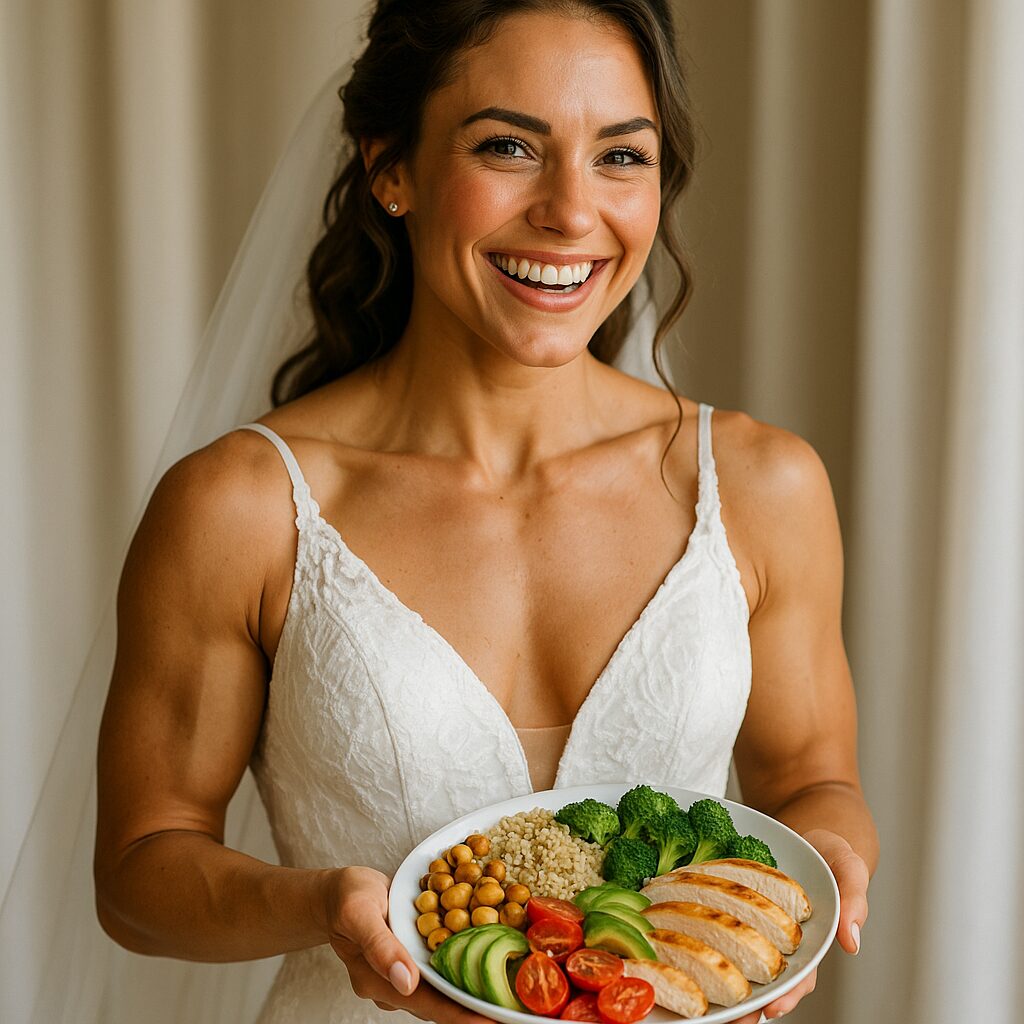
Fast Wedding Diet: The Ultimate Guide to Looking Your Best on Your Big Day
Your wedding day is approaching, and naturally, you want to look and feel your absolute best when you walk down the aisle. Many brides and grooms consider implementing a fast wedding diet to achieve their desired results before the big day. However, navigating pre-wedding weight loss can be challenging, especially with all the other wedding planning responsibilities. This comprehensive guide will walk you through effective, healthy approaches to a fast wedding diet that won’t compromise your well-being. From creating a realistic timeline to implementing sustainable habits, we’ll cover everything you need to know about getting in shape for your wedding while maintaining your health and sanity. Remember, the goal is to feel confident and radiant on your special day, not just to fit into a certain dress size.
Understanding the Fast Wedding Diet Approach: Setting Realistic Expectations
Before diving into any wedding diet plan, it’s crucial to establish realistic expectations. The term “fast wedding diet” might suggest dramatic, rapid results, but sustainable and healthy weight loss typically occurs at a pace of 1-2 pounds per week. This gradual approach not only prevents potential health issues but also helps ensure that the weight stays off long after you say “I do.”
When considering a pre-wedding weight loss journey, assess your current timeline. Ideally, you should begin your wedding diet plan 6-12 months before your wedding date. This timeframe allows for gradual changes and sustainable habits rather than extreme measures that could potentially harm your physical and mental health.
Remember: Your wedding is about celebrating love, not reaching a specific number on the scale. The most important aspect is feeling healthy, confident, and happy on your special day.
Setting realistic goals also means considering your body type and genetic predisposition. We all have different body compositions, and understanding yours will help you create a more personalized approach to your wedding diet. Instead of comparing yourself to others or striving for an unrealistic ideal, focus on becoming the healthiest version of yourself.
The 12-Month Rapid Bridal Weight Loss Plan: Month-by-Month Breakdown
A comprehensive 12-month wedding diet gives you ample time to make sustainable changes that will help you look and feel your best on your wedding day. Here’s a month-by-month breakdown of what your fast wedding diet might look like when you have a full year to prepare:
Months 12-10: Building Your Foundation
During these initial months, focus on creating healthy habits that will set the stage for your entire wedding diet journey.
- Nutrition: Begin by tracking your current eating habits without making significant changes. This awareness will help you identify areas for improvement. Gradually increase your water intake to 8-10 glasses daily and begin incorporating more whole foods into your meals.
- Exercise: Start with 2-3 workout sessions per week, focusing on activities you enjoy. This might include walking, swimming, or taking a dance class. The goal is to build consistency rather than intensity at this stage.
- Lifestyle: Establish a regular sleep schedule, aiming for 7-8 hours of quality sleep each night. Consider starting a wedding wellness journal to track your progress and feelings throughout the journey.
Months 9-7: Building Momentum
Now that you’ve established some basic healthy habits, it’s time to increase the intensity slightly and focus more on nutrition.
- Nutrition: Implement portion control strategies and begin meal planning. Include protein with every meal to support muscle maintenance during weight loss. Reduce processed food consumption and focus on nutrient-dense whole foods.
- Exercise: Increase workout frequency to 3-4 times per week and introduce strength training 2 days per week. Consider working with a personal trainer to develop a customized workout plan that aligns with your wedding goals.
- Lifestyle: Practice stress management techniques like meditation or yoga, as stress can impact weight and overall well-being. Begin taking progress photos monthly (not just relying on the scale) to visualize your changes.
Months 6-4: Intensifying Your Approach
With six months remaining, your wedding diet plan can become more focused while still maintaining balance.
- Nutrition: Fine-tune your eating plan by adjusting macronutrients to support your goals. Reduce added sugars and alcohol consumption. Consider working with a registered dietitian who specializes in wedding preparation to create a personalized eating plan.
- Exercise: Implement a more structured workout routine with 4-5 sessions per week, including both cardio and strength training. Add targeted exercises for any specific areas you’re concerned about, such as arms or back that might be visible in your wedding dress or suit.
- Lifestyle: Schedule regular self-care activities to prevent burnout from both wedding planning and your diet/exercise regimen. This might include massages, bubble baths, or simply taking time to read a book.
Months 3-1: Fine-Tuning and Maintenance
In these final months, focus on maintaining your progress while preparing your body to look its best on your wedding day.
- Nutrition: Keep your diet clean and consistent, focusing on anti-inflammatory foods that reduce bloating. Stay well-hydrated and be mindful of sodium intake, which can cause water retention. Avoid trying new extreme diets during this period.
- Exercise: Maintain your established routine but avoid introducing extremely challenging new exercises that might cause injury. Focus on consistency rather than pushing to extremes.
- Lifestyle: Prioritize sleep and stress management as wedding planning intensifies. Schedule your final dress or suit fittings with enough time for minor alterations if needed.
The 6-Month Speedy Wedding Slim-Down Strategy
If you have six months before your wedding, you still have plenty of time to make meaningful changes to your body composition and overall health. A six-month fast wedding diet plan allows for a balanced approach while still producing noticeable results.
Months 6-5: Jump-Starting Your Journey
With less time available, you’ll need to be more focused from the beginning.
- Nutrition: Perform a complete kitchen overhaul, removing tempting processed foods and stocking up on nutritious alternatives. Immediately reduce alcohol consumption to once per week or less. Implement a balanced eating plan with appropriate calorie deficit (ideally with professional guidance).
- Exercise: Begin with 3-4 workout sessions weekly, including both cardio and strength training. Consider hiring a personal trainer for at least the first month to establish proper form and an effective routine.
- Lifestyle: Establish consistent sleep patterns and implement stress management strategies from day one, as both significantly impact weight loss efforts.
Months 4-3: Accelerating Progress
During these middle months, you can safely increase the intensity of your wedding diet plan.
- Nutrition: Fine-tune your nutrition by adjusting macronutrients and meal timing to optimize results. Consider implementing strategies like intermittent fasting if appropriate for your body (after consulting with a healthcare provider). Eliminate most processed foods completely.
- Exercise: Increase workout intensity by adding high-intensity interval training (HIIT) 1-2 times weekly. Maintain strength training and add targeted exercises for wedding dress/suit-specific areas.
- Lifestyle: Balance intense wedding planning with adequate recovery time. Schedule regular body measurements and assessments to track progress beyond what the scale shows.
Months 2-1: Polishing and Preparing
In these final months, focus on fine-tuning your physique while avoiding extreme measures.
- Nutrition: Maintain your established eating pattern while focusing on foods that minimize bloating and water retention. Stay well-hydrated but be mindful of sodium intake. Avoid introducing new foods that might cause digestive issues.
- Exercise: Maintain workout frequency but shift focus to toning and defining rather than losing additional weight. Include more flexibility work to ensure good posture on your wedding day.
- Lifestyle: Schedule final dress/suit fittings. Implement stress-reduction techniques as wedding day approaches. Begin focusing on skin health through adequate hydration and possibly professional treatments.
The 3-Month Ultra-Quick Pre-Wedding Weight Loss Plan
With three months to go before your wedding, you’re working with a compressed timeline. While dramatic transformations may not be realistic in this timeframe, you can still make significant improvements to your health, fitness, and appearance with a focused fast wedding diet approach.
A three-month timeline requires efficiency and consistency. You’ll need to minimize setbacks by adhering closely to your plan and avoiding the temptation of crash diets that promise quick fixes but may leave you looking drained rather than radiant on your wedding day.
Month 3: Establishing an Intensive Foundation
- Nutrition: Work with a registered dietitian to create a calorie-appropriate meal plan that supports moderate weight loss without extreme restriction. Immediately eliminate alcohol, added sugars, and heavily processed foods. Focus on lean proteins, abundant vegetables, and adequate hydration.
- Exercise: Begin an exercise regimen that includes 4-5 sessions weekly, combining strength training, cardio, and flexibility work. Consider working with a professional to maximize efficiency.
- Lifestyle: Prioritize 7-8 hours of quality sleep nightly and implement stress management techniques. Begin taking weekly progress photos to stay motivated.
Month 2: Maximum Efficiency Phase
- Nutrition: Refine your nutrition plan based on your body’s response during the first month. Consider strategies like carb cycling or nutrient timing to optimize results. Maintain strict adherence to your eating plan while ensuring adequate protein intake to preserve muscle mass.
- Exercise: Increase workout intensity through methods like circuit training or HIIT. Incorporate exercises that target areas that will be highlighted by your wedding attire.
- Lifestyle: Schedule any beauty treatments that require multiple sessions. Maintain consistent sleep patterns despite increasing wedding planning demands.
Month 1: Final Refinements
- Nutrition: Focus on an anti-inflammatory diet to reduce bloating and enhance skin appearance. Be particularly mindful of sodium intake. Avoid introducing any new supplements or significant diet changes that might cause adverse reactions.
- Exercise: Maintain your established routine but avoid extremely intense workouts in the final two weeks that might cause excessive soreness or injury.
- Lifestyle: Schedule final dress fittings. Implement relaxation techniques to manage pre-wedding stress, which can impact both appearance and well-being.
Remember: Even with a compressed timeline, health should remain the priority. A three-month fast wedding diet plan can produce noticeable results, but expectations should be realistic and focused on feeling your best rather than achieving a specific weight.
Emergency 4-Week Pre-Wedding Diet Plan: Last-Minute Strategies
With only four weeks until your wedding, dramatic weight loss isn’t realistic or healthy. However, you can still make meaningful improvements to how you look and feel on your big day. This emergency fast wedding diet plan focuses on strategies that minimize bloating, improve muscle tone, and enhance overall well-being without resorting to extreme measures.
It’s essential to approach this short timeline with realistic expectations. The focus should be on looking more toned and feeling confident rather than losing significant weight. Most changes during this period will come from reducing water retention, improving posture, and enhancing skin appearance rather than fat loss.
Weeks 4-3: Quick-Start Phase
- Nutrition: Eliminate alcohol, added sugars, and highly processed foods completely. Reduce sodium intake to minimize water retention. Focus on lean proteins, vegetables, and limited complex carbohydrates. Increase water consumption to 2-3 liters daily to support metabolism and skin health.
- Exercise: Implement daily movement with a combination of strength training and moderate-intensity cardio. Focus on full-body workouts that emphasize areas visible in your wedding attire. Add in core strengthening exercises to improve posture.
- Lifestyle: Prioritize 7-8 hours of sleep nightly. Schedule any last-minute beauty treatments like facials or teeth whitening. Begin practicing stress-reduction techniques like deep breathing or meditation.
Weeks 2-1: Refinement and Preparation
- Nutrition: Maintain your clean eating approach while being particularly mindful of foods that cause bloating. Consider keeping a food journal to identify any personal trigger foods. Stay well-hydrated but begin reducing water intake slightly in the final 24 hours to minimize any morning puffiness on your wedding day.
- Exercise: Continue daily movement but avoid introducing new or extremely challenging exercises that might cause soreness. In the final week, focus more on light cardio, stretching, and posture work rather than intense strength training.
- Lifestyle: Schedule your final dress fitting. Practice stress management techniques daily. Get plenty of rest in the final days leading up to your wedding.
Special Considerations for the Final Week:
In the last seven days before your wedding, focus on these specific strategies:
- Avoid high-sodium foods completely to minimize water retention
- Eliminate potential bloating triggers like dairy, beans, or cruciferous vegetables if you find they affect you
- Maintain hydration but don’t overdo water intake in the final 24 hours
- Prioritize sleep, aiming for 8 hours nightly
- Continue gentle movement like walking or yoga rather than intense workouts
- Practice visualization and relaxation techniques to manage pre-wedding jitters
Remember: While this 4-week plan can help you look more toned and feel more confident, it’s important to maintain perspective. Your wedding day is about celebrating your relationship, not achieving a specific body shape. Focus on feeling healthy and confident rather than reaching a particular weight goal.
Essential Nutrition Tips for Every Fast Wedding Diet Timeline
Regardless of how much time you have before your wedding, certain nutritional principles remain constant for a healthy, effective fast wedding diet. These strategies will help you achieve your goals while maintaining energy for wedding planning and supporting overall health.
Prioritize Protein for Satiety and Muscle Preservation
Adequate protein is crucial during any weight loss phase. Protein helps preserve lean muscle mass while dieting, keeps you feeling full longer, and requires more energy to digest than other macronutrients. Aim for 0.8-1 gram of protein per pound of body weight daily, especially if you’re exercising regularly.
Excellent protein sources include:
- Lean poultry (chicken, turkey)
- Fish and seafood
- Eggs and egg whites
- Greek yogurt and cottage cheese
- Plant-based options like tofu, tempeh, and legumes
- Protein powders (whey, casein, or plant-based) for convenient supplementation
Distribute protein intake throughout the day rather than consuming most of it at one meal. This approach supports muscle protein synthesis and helps maintain steady energy levels.
Manage Carbohydrate Intake Strategically
Carbohydrates aren’t the enemy, but managing them strategically can enhance your wedding diet results. Focus on complex carbohydrates that provide sustained energy and fiber rather than simple sugars that cause energy crashes and cravings.
Consider these carbohydrate strategies:
- Prioritize carbohydrate intake around workout times when your body can use them most efficiently
- Choose high-fiber sources like vegetables, berries, and whole grains that provide more satiety
- Reduce carbohydrates in the evening if you find they affect your sleep or morning appearance
- Consider a moderate carbohydrate reduction (not elimination) to support fat loss while maintaining energy
Include Healthy Fats for Hormone Balance
Dietary fat plays a crucial role in hormone production, including those that regulate metabolism and mood. Extremely low-fat diets can disrupt hormone balance, potentially stalling weight loss efforts and affecting skin appearance and energy levels.
Focus on these healthy fat sources:
- Avocados
- Olive oil and olives
- Nuts and seeds
- Fatty fish like salmon and mackerel (also excellent protein sources)
- Limited amounts of full-fat dairy if tolerated
Hydration: The Often Overlooked Component
Proper hydration is essential for any fast wedding diet plan. Water supports metabolism, helps control hunger, enhances skin appearance, and reduces bloating when consumed consistently.
Implement these hydration strategies:
- Aim for a minimum of 2-3 liters of water daily
- Begin each day with 16-20 ounces of water
- Drink a full glass of water before each meal to support portion control
- Consider adding electrolytes if you’re exercising intensely or in hot conditions
- Reduce alcohol consumption, which contributes to dehydration and empty calories
Strategize Meal Timing and Frequency
While the total calories consumed remains the most important factor for weight management, meal timing and frequency can impact energy levels, hunger, and adherence to your plan.
Consider these approaches:
- Find a meal frequency that works for your schedule and hunger patterns (3 larger meals or 4-5 smaller ones)
- Experiment with intermittent fasting approaches if they suit your lifestyle and energy needs
- Allow at least 2-3 hours between your last meal and bedtime to support quality sleep
- Plan meals and snacks around your wedding planning schedule to prevent extreme hunger that leads to poor choices
Workout Strategies to Complement Your Fast Wedding Diet
The right exercise approach can dramatically enhance the results of your fast wedding diet plan. Beyond just burning calories, strategic workouts can improve muscle tone, posture, and overall confidence—all crucial elements for looking and feeling your best on your wedding day.
Your workout strategy should align with your timeline, current fitness level, and specific goals. While weight loss may be a primary objective, remember that targeted exercise can also enhance the appearance of specific areas that will be highlighted by your wedding attire.
Strength Training: The Foundation of Wedding Preparation
Strength training should form the core of any pre-wedding fitness regimen, regardless of timeline. It builds lean muscle that shapes your physique, increases metabolic rate, and improves posture. Even on a compressed timeline, the “toning” effect of strength training can make a significant difference in your appearance.
Consider these strength training approaches:
- Full-body circuits: Efficient for those with limited time, working multiple muscle groups in each session
- Upper/lower splits: Allow for more focused work on specific areas with adequate recovery
- Wedding dress/suit-specific training: Emphasize areas that will be visible in your attire (arms, back, shoulders for sleeveless or backless dresses; chest and shoulders for suits)
For optimal results, aim for 2-4 strength training sessions weekly, adjusting based on your timeline and recovery capacity.
Cardiovascular Exercise: Strategic Implementation
Cardio exercise supports fat loss while improving cardiovascular health and endurance. Rather than endless moderate-intensity sessions, consider a strategic approach to cardio that maximizes results while preserving muscle and energy.
Effective cardio strategies include:
- HIIT (High-Intensity Interval Training): Alternate between intense work periods and recovery for maximum efficiency (1-3 sessions weekly)
- Steady-state cardio: Longer duration at moderate intensity, effective for recovery days and stress management (1-3 sessions weekly)
- Daily movement: Incorporate additional non-structured activity like walking, taking stairs, or dancing to increase overall energy expenditure without formal workouts
Flexibility and Posture Work: The Secret Weapons
Often overlooked in wedding preparation, flexibility training and posture work can dramatically improve your appearance in wedding photos and how you carry yourself throughout your special day.
Incorporate these elements:
- Yoga or Pilates: Improve posture, core strength, and body awareness (1-2 sessions weekly)
- Targeted stretching: Focus on areas prone to tightness that affect posture, like chest, shoulders, and hip flexors
- Posture exercises: Strengthen upper back, posterior shoulders, and core to enhance natural posture
Recovery: Essential for Optimal Results
Recovery is not just an optional component of your wedding workout plan—it’s essential for results. Adequate recovery prevents overtraining, reduces injury risk, and allows your body to adapt positively to exercise stress.
Implement these recovery strategies:
- Ensure at least 1-2 complete rest days weekly
- Prioritize 7-8 hours of quality sleep nightly
- Consider recovery activities like gentle yoga, swimming, or walking on rest days
- Implement self-myofascial release (foam rolling) to address muscle tightness
- Reduce workout intensity in the final 7-10 days before your wedding to allow full recovery
Maintaining Mental Well-being During Your Fast Wedding Diet Journey
Wedding preparation can be emotionally challenging, and adding the pressure of a fast wedding diet may increase stress. Maintaining psychological well-being throughout this process is crucial not only for your mental health but also for the success of your physical transformation. Stress, anxiety, and unrealistic expectations can hinder progress and detract from the joy of your wedding experience.
Remember: Your wedding day celebrates your relationship and commitment, not just your appearance. While looking your best is a natural desire, it shouldn’t overshadow the true meaning of the occasion or compromise your well-being.
Setting Healthy Expectations and Boundaries
Begin by establishing realistic expectations about what you can achieve in your available timeframe. Understand that healthy, sustainable change takes time, and extreme approaches often lead to rebound weight gain and increased stress.
Consider these approaches:
- Focus on how you want to feel on your wedding day (energetic, confident, joyful) rather than fixating solely on appearance
- Set boundaries with well-meaning friends and family who may offer unsolicited advice about your body or wedding preparation
- Recognize that wedding media often presents unrealistic ideals that don’t reflect the diversity of real couples
- Celebrate non-scale victories like increased energy, improved sleep, and greater strength
Implementing Stress Management Techniques
Wedding planning combined with diet and exercise changes can create significant stress. Chronic stress elevates cortisol levels, which can impact weight management efforts and overall well-being. Implementing effective stress management strategies is not optional but essential for your wedding preparation.
Effective stress management approaches include:
- Daily mindfulness or meditation practice (even 5-10 minutes can be beneficial)
- Regular physical activity that you enjoy, not just for calorie burning
- Adequate sleep prioritization (7-8 hours nightly)
- Digital detox periods, especially from wedding-related social media that may trigger comparison
- Scheduled self-care activities that you find genuinely relaxing
Building a Supportive Environment
The people surrounding you can significantly impact your wedding diet experience. Creating a supportive environment increases your likelihood of success while protecting your mental health.
Consider these strategies:
- Share your goals with your partner, encouraging mutual support rather than competitive approaches
- Consider working with professionals (registered dietitian, certified personal trainer, therapist) who offer evidence-based guidance
- Communicate your needs clearly with friends and family, especially regarding food choices at pre-wedding gatherings
- Connect with other brides or grooms with similar healthy approaches to wedding preparation
- Limit time spent with individuals who promote extreme diet or exercise approaches
If you find yourself becoming overly fixated on wedding weight loss to the point of anxiety or disordered behaviors, consider speaking with a mental health professional. Many individuals experience heightened body image concerns during wedding preparation, and professional support can be invaluable in maintaining perspective.
Fast Wedding Diet Success: Strategies for Different Body Types
Every body responds differently to diet and exercise interventions. Understanding your body type and its typical patterns can help you create a more personalized and effective fast wedding diet approach. While these categories are general and most people are a blend of types, they provide a helpful framework for tailoring your approach.
Ectomorph (Naturally Lean, Difficulty Gaining Muscle)
Ectomorphs typically have a naturally lean build with a faster metabolism. While weight loss might come more easily, building muscle definition can be challenging.
For ectomorphs seeking toning and definition:
- Focus on strength training with progressive overload to build muscle definition
- Ensure adequate protein intake (1-1.2g per pound of body weight)
- Include sufficient healthy fats and carbohydrates to support muscle development
- Limit excessive cardio that might prevent muscle development
- Consider smaller, more frequent meals if you struggle with adequate calorie consumption
Mesomorph (Athletic Build, Responsive to Exercise)
Mesomorphs typically gain muscle and lose fat relatively easily when following a consistent program. Their bodies tend to respond well to various types of training.
For mesomorphs seeking body composition changes:
- Implement a balanced approach with both strength training and cardio
- Focus on moderate protein intake (0.8-1g per pound of body weight)
- Consider carb cycling to support both workout performance and fat loss
- Utilize a variety of training stimuli to prevent plateaus
- Pay attention to portion control as hunger signals may be strong
Endomorph (Tendency to Store Fat, Slower Metabolism)
Endomorphs typically have a naturally higher body fat percentage and may find weight loss more challenging. However, with the right approach, they can achieve significant transformations.
For endomorphs seeking fat loss:
- Focus on creating a moderate calorie deficit through both diet and exercise
- Implement a higher protein intake (0.8-1g per pound of body weight)
- Consider a moderate carbohydrate approach, focusing on fiber-rich sources
- Include both strength training and regular cardio activities
- Pay special attention to recovery and stress management as these can impact results significantly
- Consider intermittent fasting approaches if they align with your lifestyle and preferences
Regardless of your body type, remember that consistency trumps perfection. Finding an approach that you can maintain throughout your wedding preparation is more important than following an “optimal” plan that’s unsustainable for your lifestyle.
After the Wedding: Transitioning from Fast Wedding Diet to Sustainable Habits
Many couples focus intensely on their pre-wedding diet and fitness regimen, only to abandon healthy habits after the ceremony. This approach often leads to weight regain and diminished well-being. Instead, view your wedding preparation as the beginning of lifetime habits that support your health through marriage and beyond.
The post-wedding period offers an opportunity to transition from a more structured fast wedding diet approach to sustainable lifestyle habits that you and your partner can maintain long-term. This transition requires thoughtful planning and a shift in mindset from “wedding prep” to “lifelong wellness.”
Reassessing Goals and Motivations
After your wedding, take time to reflect on new wellness goals that extend beyond appearance. Consider:
- Health markers like energy levels, sleep quality, and stress management
- Performance goals such as strength, endurance, or flexibility benchmarks
- Lifestyle factors like cooking skills, meal preparation habits, and activity routines
- Shared wellness activities that strengthen your relationship
These non-aesthetic goals provide ongoing motivation after the wedding photos are taken and help maintain the positive changes you’ve made.
Adjusting Nutrition for Maintenance
Transitioning from a calorie deficit to maintenance requires careful adjustment to prevent unwanted weight regain. Consider these strategies:
- Gradually increase calories by 100-200 per week until you reach maintenance level
- Continue monitoring portion sizes while allowing more flexibility in food choices
- Maintain protein intake to support muscle mass and satiety
- Develop a sustainable approach to treats and restaurant meals that fits your lifestyle
- Consider the 80/20 approach (80% nutritious whole foods, 20% more flexible choices)
Evolving Your Fitness Routine
Your post-wedding fitness routine should support long-term consistency while continuing to challenge you appropriately. Consider:
- Shifting from aesthetic-focused training to performance or functional fitness goals
- Exploring new activities that you and your spouse can enjoy together
- Developing a rotating workout schedule that prevents boredom and overtraining
- Finding movement that genuinely brings you joy rather than just burning calories
- Building in seasonal variations that align with your lifestyle and preferences
Creating Accountability Systems
Without the wedding deadline, maintaining motivation may require new accountability structures:
- Consider fitness events or challenges that provide periodic goals
- Develop health routines with your spouse that support mutual accountability
- Schedule regular check-ins with health professionals like trainers or dietitians
- Use technology tools like fitness trackers or apps to maintain awareness
- Join community groups or classes that provide social support for healthy habits
Remember that marriage itself represents a significant life transition, and your wellness routines will naturally evolve alongside your relationship. Focus on developing a flexible, sustainable approach that enhances your quality of life and supports your health as a couple rather than maintaining rigid pre-wedding restrictions.
Conclusion: Balancing Fast Results with Long-Term Health
Implementing a fast wedding diet requires finding the delicate balance between achieving your aesthetic goals and maintaining your physical and mental well-being. By creating a realistic timeline, focusing on sustainable nutrition and exercise strategies, and prioritizing self-care, you can look and feel your best on your wedding day without compromising your health. Remember that your wedding marks the beginning of your marriage journey, and the habits you develop now can support your well-being for years to come. Approach your pre-wedding transformation with patience, self-compassion, and a focus on overall wellness rather than just appearance.
Frequently Asked Questions About Fast Wedding Diet Plans
How quickly can I see results on a fast wedding diet?
Healthy, sustainable weight loss typically occurs at a rate of 1-2 pounds per week. In addition to weight loss, you may notice improvements in energy levels, skin clarity, and muscle definition within 2-4 weeks of consistent healthy habits. Dramatic results require more time, which is why starting 6-12 months before your wedding is ideal. However, even with a shorter timeline, you can make noticeable improvements in body composition and overall appearance.
Should I try intermittent fasting as part of my wedding preparation?
Intermittent fasting may be beneficial for some individuals as part of their wedding preparation, but it’s not necessary for successful weight loss. If you find that an eating window of 8-10 hours daily helps you manage your calorie intake and fits your lifestyle, it can be incorporated into your plan. However, if you find it leads to excessive hunger, low energy during wedding planning, or disordered eating patterns, it’s not worth the potential drawbacks. As with any dietary approach, individual response varies significantly.
How do I prevent bloating on my wedding day?
To minimize wedding day bloating, implement these strategies in the week before your wedding: (1) Reduce sodium intake by avoiding processed foods, restaurant meals, and added salt; (2) Limit potential bloat-inducing foods like dairy, beans, cruciferous vegetables, and carbonated beverages; (3) Stay well-hydrated throughout the week but reduce water intake slightly the night before; (4) Avoid alcohol and chewing gum, which can increase air swallowing; (5) Maintain gentle movement like walking to support digestion; (6) Consider probiotics if they’re already part of your routine. Most importantly, eat moderate portions of familiar foods the day before your wedding.
Should I use supplements as part of my fast wedding diet?
Supplements should complement, not replace, a solid nutrition and exercise foundation. Some supplements that may support your wedding preparation include: (1) Protein powder for convenient protein intake; (2) Omega-3 fatty acids for inflammation management and skin health; (3) Magnesium for stress management and sleep quality; (4) Vitamin D if blood levels are low; (5) A high-quality multivitamin if your diet variety is limited. Avoid fat burners, detox products, and other supplements promising dramatic quick results, as these are often ineffective and potentially harmful. Always consult with a healthcare provider before starting any supplement regimen.
How do I handle wedding cake tastings and pre-wedding events while on my diet?
Navigate pre-wedding events while maintaining your nutrition goals by: (1) Planning ahead by eating a protein-rich snack before events; (2) Following the one-plate rule at buffets, filling half with vegetables; (3) For cake tastings, share samples with your partner and focus on quality over quantity; (4) Alternate alcoholic beverages with water at celebrations; (5) Communicate your goals with close friends and family who can provide support; (6) Practice the 80/20 approach, allowing yourself to fully enjoy significant events while maintaining consistent habits the majority of the time; (7) If you indulge more than planned, simply return to your regular habits at the next meal without guilt or compensation behaviors.
What should I eat on the morning of my wedding?
On your wedding morning, focus on a balanced meal that provides sustained energy without causing bloating. Ideal options include: (1) A protein-rich breakfast like eggs with avocado and berries; (2) Greek yogurt with a small amount of granola and fruit; (3) A protein smoothie with a moderate amount of fruit and nut butter; (4) Oatmeal with protein powder and berries. Avoid new or unfamiliar foods, excessive fiber, carbonated beverages, and too much caffeine. Stay hydrated but don’t overdo water intake. Most importantly, be sure to eat something substantial, as wedding days often involve long periods between meals.
Can my partner and I follow the same wedding diet plan?
While couples can follow similar nutritional approaches, individual needs often differ significantly. Men typically require higher calorie intakes and may lose weight more quickly due to higher muscle mass and metabolic rates. Women’s nutritional needs may vary based on hormonal fluctuations throughout the month. Consider following the same general approach (such as focusing on whole foods and regular exercise) while customizing portions and specific macronutrient ratios to your individual needs. Working with a registered dietitian who can assess both partners’ needs can be particularly valuable for couples preparing together.
How do I manage dress fittings if my body is changing?
Managing dress fittings during a wedding diet requires careful planning: (1) Schedule your first fitting at least 3-4 months before the wedding but after you’ve been following your dietary approach for at least 1-2 months; (2) Discuss your weight loss goals openly with your seamstress/tailor; (3) Plan for your final fitting 2-3 weeks before the wedding when your weight should be stabilizing; (4) Consider ordering your dress in a slightly smaller size if you’re starting your diet plan well in advance, with the understanding that it’s easier to let out a dress than take it in significantly; (5) Maintain open communication with your seamstress throughout the process, and bring your wedding undergarments and shoes to every fitting for accurate measurements.
For more comprehensive wedding diet guidance, visit the HealthifyMe Pre-Wedding Diet Plan.
