
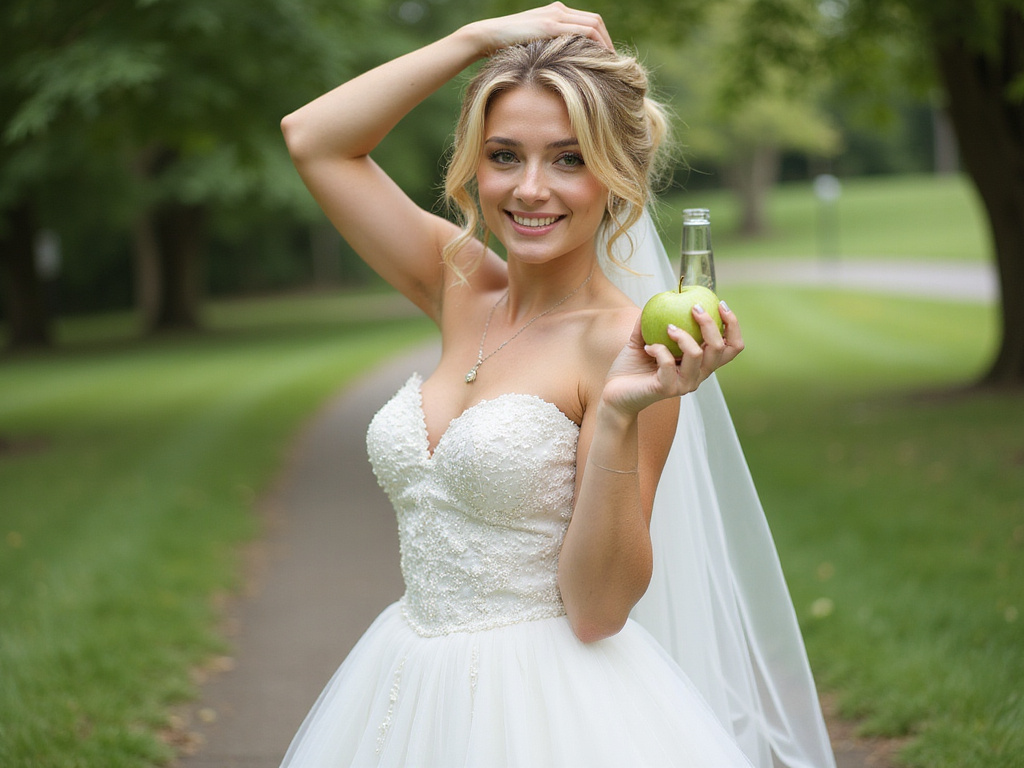
Need to Lose Weight Before Wedding? Your Ultimate Pre-Wedding Weight Loss Guide
Your wedding day is approaching, and like many brides and grooms, you may feel the pressure to look your absolute best when you walk down the aisle. While your partner loves you exactly as you are, it’s completely natural to want to feel confident and radiant on one of the most photographed days of your life. However, pre-wedding weight loss should be approached with care, focusing on health rather than extreme measures that could leave you stressed and exhausted. This comprehensive guide will walk you through safe, effective strategies for wedding weight loss that won’t just help you fit into your dream dress or suit but will also establish healthy habits that last well beyond your “I do’s.” From realistic timeline planning to sustainable nutrition approaches, workout routines, and stress management techniques, we’ve compiled everything you need to achieve your pre-wedding body goals while still enjoying the engagement period.
Understanding the Pre-Wedding Weight Loss Journey
The desire to lose weight before a wedding is incredibly common. According to wedding planning statistics, nearly 80% of engaged couples consider weight loss as part of their wedding preparation. However, it’s important to approach this goal with a healthy mindset.
Society often places immense pressure on couples, especially brides, to achieve a certain look for their wedding day. This pressure can lead to unhealthy crash diets and extreme weight loss measures. Remember that your wedding is about celebrating love, not achieving a specific number on the scale.
A healthy weight loss journey should focus on gradual, sustainable changes that improve your overall well-being. Experts generally recommend aiming for no more than 1-2 pounds of weight loss per week. This rate allows your body to adjust gradually and reduces the risk of weight regain after the wedding.
Before starting any weight loss plan, it’s essential to check in with your motivations. Are you doing this for yourself or because of external expectations? Setting healthy goals based on how you want to feel, rather than just how you want to look, can transform your pre-wedding fitness journey into a positive experience.
Your wedding dress or suit fitting schedule will also influence your weight loss timeline. Most formal wedding attire requires multiple fittings, with final alterations often happening just weeks before the wedding. Significant weight changes after final fittings can require expensive rush alterations or result in ill-fitting attire on your big day.
Setting Realistic Timeline for Pre-Wedding Slim Down
The most effective wedding weight loss plans begin with a realistic timeline. How much time you have before your wedding will significantly impact your approach and expectations. Let’s break down realistic goals based on your timeline:
12-Month Wedding Weight Loss Strategy
With a full year before your wedding, you have an ideal timeframe for sustainable changes. This generous timeline allows you to lose 25-50 pounds safely if needed, without resorting to extreme measures. Here’s how to make the most of this period:
- Month 1-3: Focus on establishing basic healthy habits like regular meal times and daily movement.
- Month 4-6: Gradually increase workout intensity and refine your nutrition plan.
- Month 7-9: Continue your routine while addressing any plateau issues.
- Month 10-12: Maintain your progress while focusing on toning specific areas.
With 12 months, you can aim for modest weight loss of 1-2 pounds per week, giving your body time to adjust and making the changes more likely to stick. This timeline also allows room for occasional indulgences without derailing your progress.
6-Month Pre-Wedding Weight Reduction Plan
Six months provides a reasonable window for meaningful but moderate weight loss goals. During this timeframe, losing 12-24 pounds safely is achievable. Your focus should be on consistency rather than dramatic changes.
Start by eliminating obvious sources of empty calories like sugary drinks and highly processed foods. Implement a balanced exercise routine with 3-4 weekly strength training sessions and 2-3 cardio workouts. Pay special attention to nutrition timing, ensuring you’re fueling your body properly before and after workouts.
At this stage, consider consulting with a registered dietitian or personal trainer to create a customized plan. Professional guidance can help you maximize results within your timeframe without risking your health or wedding day energy levels.
3-Month Quick But Healthy Wedding Weight Loss
With three months to go, you’ll need to be more focused and disciplined, but still realistic. A safe goal would be 8-12 pounds of weight loss during this period. Your priorities should include:
- Eliminating all liquid calories (except protein shakes if needed)
- Focusing on nutrient-dense, high-volume foods
- Implementing interval training for maximum calorie burn
- Tracking your food intake carefully
- Getting adequate sleep and managing stress
At this stage, small adjustments can make significant differences. Increasing your protein intake can help preserve muscle mass while losing fat, giving you a more toned appearance. Adding extra steps to your day through simple changes like taking stairs or parking farther away can add up to meaningful calorie deficits.
1-Month Pre-Wedding Final Touches
One month before your wedding is not the time to attempt significant weight loss. Instead, focus on reducing bloating and water weight while toning your physique. Aim for no more than 4-5 pounds of weight loss during this month.
Reduce sodium intake to minimize water retention and consider eliminating common bloating triggers like dairy or gluten if they affect you. Increase water consumption to help flush your system and maintain regular bowel movements, which can significantly affect how you look and feel.
During this final month, prioritize stress management through practices like yoga, meditation, or gentle walking. Wedding planning stress can elevate cortisol levels, which may contribute to water retention and digestive issues that affect your appearance.
Nutritional Approach for Safe Bridal Weight Loss
The foundation of any successful pre-wedding weight loss plan is sound nutrition. Extreme diets that promise rapid results often lead to muscle loss, fatigue, and eventually weight regain. Instead, focus on these evidence-based nutritional strategies:
Calculating Your Caloric Needs
To lose weight safely, you need to create a modest calorie deficit without severely restricting your intake. Many pre-wedding plans dangerously recommend less than 800 calories daily, which can lead to nutrient deficiencies, metabolic slowdown, and even organ damage.
A safer approach is to determine your basal metabolic rate (BMR) using an online calculator and reduce your daily intake by 300-500 calories. This creates a sustainable deficit that leads to gradual weight loss without compromising your health or energy levels.
For most active women, this means consuming no less than 1,200-1,500 calories daily, while men should generally not drop below 1,500-1,800 calories. These minimums ensure you’re getting adequate nutrients to support basic bodily functions.
Macronutrient Balance for Wedding Prep
Rather than focusing solely on calories, pay attention to the quality and balance of your macronutrients—proteins, carbohydrates, and fats. A balanced approach for wedding prep might include:
- Protein: 25-30% of daily calories (helps preserve muscle and increases satiety)
- Carbohydrates: 40-45% of daily calories (prioritize complex carbs for sustained energy)
- Healthy fats: 25-30% of daily calories (supports hormone production and skin health)
Protein becomes particularly important during weight loss to maintain muscle mass. Include a lean protein source with each meal, such as chicken breast, fish, tofu, legumes, or Greek yogurt. This helps you feel fuller longer and supports the toning effects of your workout routine.
Meal Planning and Prep Strategies
Between venue visits and dress fittings, wedding planning leaves little time for thoughtful meal preparation. Setting up a system for meal planning can prevent impulsive food choices that derail your progress.
Designate a few hours each weekend for meal prep, preparing proteins, chopping vegetables, and portioning snacks for the week ahead. Stock your refrigerator with ready-to-go meal components that can be assembled quickly on busy days.
Consider using a meal tracking app for the first few weeks to become more aware of your portions and nutrition intake. This temporary tracking can help identify patterns and make adjustments without becoming obsessive about food.
Hydration and Its Impact on Wedding Weight Goals
Proper hydration plays a crucial role in weight management and overall appearance. Many people mistake thirst for hunger, leading to unnecessary snacking. Drinking water before meals can reduce appetite and help with portion control.
Aim for at least 64 ounces (about 2 liters) of water daily, increasing this amount on hot days or when exercising. Proper hydration improves skin appearance, reduces bloating, and supports metabolic functions essential for weight loss.
To ensure consistent hydration, carry a reusable water bottle with measurement markings. Set specific hydration goals throughout the day rather than trying to consume your entire daily requirement at once. For added benefits, try infusing your water with cucumber, lemon, or berries for a refreshing, calorie-free flavor boost.
Effective Exercise Strategies for Wedding Preparation
Exercise complements your nutrition plan by burning additional calories, improving muscle tone, and enhancing your overall well-being. The right workout plan can help you look and feel your best in your wedding attire while managing pre-wedding stress.
Balancing Cardio and Strength Training
Many brides focus exclusively on cardio to burn calories, but this approach neglects the body-sculpting benefits of strength training. An optimal pre-wedding fitness routine includes both components:
- Cardio: 3-5 sessions weekly, 20-45 minutes each, to burn calories and improve cardiovascular health
- Strength training: 2-3 sessions weekly, focusing on major muscle groups to create definition and boost metabolism
- Flexibility work: 1-2 yoga or stretching sessions weekly to improve posture and reduce stress
Strength training is particularly important during weight loss because it helps preserve muscle mass while losing fat. This leads to a more toned appearance rather than simply becoming a smaller version of your current shape.
Targeted Toning for Wedding Dress Confidence
Different wedding dress styles highlight different body areas. While spot reduction is a myth, you can focus on toning specific areas to look your best in your chosen attire:
For strapless or sleeveless dresses, incorporate exercises that target your shoulders, arms, and upper back, such as push-ups, tricep dips, and lateral raises. These movements create definition in areas that will be visible on your wedding day.
If your dress is fitted through the midsection, core-strengthening exercises like planks, bicycle crunches, and Russian twists can help create a smoother silhouette. Remember that core strength goes beyond aesthetics—it improves posture, which dramatically affects how you look in your wedding photos.
For fitted skirts or mermaid-style dresses, lower-body exercises like squats, lunges, and glute bridges can enhance your natural curves while creating a firmer appearance. Add these movements to your routine 2-3 times weekly for noticeable improvements.
Finding Workout Motivation During Wedding Planning
Maintaining exercise consistency during busy wedding planning periods requires strategic motivation. Consider these approaches to stay committed to your fitness routine:
Recruit your fiancé, maid of honor, or best man as an accountability partner. Schedule regular workout dates that double as quality time together. This social aspect makes exercise more enjoyable while strengthening your relationships.
Invest in several sessions with a personal trainer to learn proper form and create a customized plan. Even if ongoing training isn’t in your budget, these initial sessions provide direction and motivation that can carry you through to your wedding day.
Select workouts you genuinely enjoy rather than forcing yourself through exercises you dread. Sustainable fitness comes from finding movement that feels good to your body. Whether it’s dancing, swimming, hiking, or boxing, the best exercise is the one you’ll actually do consistently.
Managing Wedding Planning Stress While Losing Weight
Wedding planning stress can significantly impact your weight loss efforts. High stress levels increase cortisol production, which can trigger cravings for comfort foods and cause water retention. Managing this stress is essential for both your wedding weight goals and overall well-being.
Recognizing Emotional Eating Triggers
The pressure of wedding planning often leads to emotional eating patterns. Family disagreements, budget concerns, or timeline stresses can trigger the urge to find comfort in food. Learning to identify these triggers is the first step toward managing them effectively.
Keep a simple food and mood journal for a week, noting not just what you eat but how you feel before and after eating. This awareness can help you distinguish between physical hunger and emotional eating. When you identify an emotional trigger, develop alternative coping strategies like taking a short walk, practicing deep breathing, or calling a supportive friend.
Remember that occasional indulgences are part of a balanced approach to nutrition. Schedule planned treats rather than using food impulsively to manage emotions. This controlled approach satisfies cravings without derailing your progress.
Sleep Quality and Weight Loss Connection
Sleep deprivation directly impacts weight management through multiple pathways. Inadequate sleep alters hunger hormones, increasing ghrelin (which stimulates appetite) and decreasing leptin (which signals fullness). These hormonal changes can increase daily calorie intake by 300-500 calories through unconscious eating.
During wedding planning, prioritize 7-8 hours of quality sleep nightly. Establish a consistent sleep schedule and create a relaxing bedtime routine that helps transition from planning mode to rest. Limit screen time before bed and consider using a sleep tracking app to monitor patterns and improvements.
If racing thoughts about wedding details keep you awake, keep a notepad beside your bed to jot down concerns or ideas. This “brain dump” technique helps clear your mind for sleep, knowing you won’t forget important details by morning.
Self-Care Practices During Wedding Preparation
Self-care isn’t selfish—it’s essential for managing the demands of wedding planning while pursuing health goals. Block out non-negotiable time in your calendar for activities that replenish your energy and improve your mood.
Consider incorporating practices like mediation, gentle yoga, or nature walks that reduce stress hormones while supporting your physical goals. Even 10-15 minutes of mindfulness practice can significantly reduce stress levels and improve decision-making around food.
Set boundaries around wedding planning discussions and activities. Designate certain days or times as “wedding-free zones” where you focus on other aspects of your life and relationship. This mental break prevents burnout and helps maintain perspective during this exciting but demanding time.
Avoiding Common Pre-Wedding Diet Pitfalls
The pressure to achieve rapid results before a wedding leads many couples into unhealthy patterns that ultimately backfire. Awareness of these common pitfalls can help you maintain a balanced, sustainable approach to your wedding weight loss journey.
The Dangers of Crash Dieting Before Your Big Day
Severely restrictive “wedding crash diets” promising dramatic weight loss in weeks are particularly tempting as the wedding approaches. However, these approaches come with significant risks, including:
- Loss of muscle mass, resulting in a “skinny fat” appearance rather than a toned look
- Nutrient deficiencies that affect hair, skin, and nail quality
- Compromised immune function, increasing your risk of illness before or during your wedding
- Metabolic adaptation that makes maintaining weight loss nearly impossible
- Heightened anxiety and irritability that affect your relationships during planning
Instead of extreme approaches, focus on consistent, moderate changes you can maintain. The weight loss may be more gradual, but the results will be healthier and more sustainable. You’ll also avoid the energy crashes and mood swings that come with severe restriction.
Balancing Social Events and Weight Loss Goals
The engagement period typically includes numerous celebrations, tastings, and social gatherings centered around food and drink. Rather than avoiding these events or feeling guilty after attending, develop strategies for navigating them while staying aligned with your goals.
Before food-focused events, have a small protein-rich snack to take the edge off your hunger. This prevents arriving ravenous and making impulse choices. Survey all available options before filling your plate, then select mostly protein and vegetables with small portions of special items you truly want to enjoy.
For alcohol, which is both calorie-dense and reduces inhibitions around food choices, establish a specific plan for each event. Alternating alcoholic drinks with sparkling water, choosing lower-calorie options, and setting a predetermined drink limit can help you enjoy celebrations without compromising your progress.
Dealing with Plateau Periods
Weight loss plateaus—periods where the scale doesn’t budge despite continued effort—are normal physiological responses but can be particularly frustrating during wedding preparation. When you encounter a plateau, resist the urge to drastically cut calories further, which often backfires.
Instead, try these evidence-based approaches to overcome plateaus:
- Recalculate your calorie needs based on your current weight (needs decrease as you lose weight)
- Introduce new movement patterns to challenge your body differently
- Temporarily increase your calorie intake for 2-3 days to reset hormonal balance
- Focus on non-scale victories like energy levels, clothing fit, and progress photos
- Review your food tracking for unconscious “calorie creep” in portions
Remember that weight loss isn’t linear, and fluctuations of 1-3 pounds due to water retention, hormonal changes, and other factors are entirely normal. Judge your progress by looking at trends over weeks rather than day-to-day numbers.
Beyond the Scale: Non-Weight Approaches to Looking Your Best
While weight loss may be part of your wedding preparation, many factors beyond the number on the scale contribute to how you look and feel on your wedding day. Incorporating these non-weight approaches can enhance your appearance regardless of whether you reach your specific weight goal.
Posture Improvement for Wedding Day Confidence
Good posture instantly improves your appearance in your wedding attire and photographs. Many people develop posture issues from desk work and phone use, including forward head position and rounded shoulders. Targeted exercises can address these common problems.
Incorporate posture-correcting movements like wall angels, doorway chest stretches, and chin tucks into your daily routine. Even five minutes of these exercises daily can create noticeable improvements in how you stand and move.
Consider working with a physical therapist or posture specialist if you have significant alignment issues. These professionals can provide customized exercises addressing your specific needs. The investment yields benefits far beyond your wedding in terms of comfort and appearance.
Skin Health Optimization for Bridal Glow
Healthy, glowing skin creates a radiant appearance regardless of your weight. Start a consistent skincare routine at least six months before your wedding, focusing on gentle cleansing, adequate hydration, and appropriate moisture balance for your skin type.
Diet significantly impacts skin appearance. Increase your intake of antioxidant-rich foods like berries, leafy greens, and colorful vegetables. Omega-3 fatty acids from sources like salmon, walnuts, and flaxseeds help maintain skin elasticity and reduce inflammation.
Consider professional skincare treatments spaced throughout your engagement period rather than scheduling intense procedures immediately before your wedding. This approach allows your skin to adjust and prevents unexpected reactions close to your wedding date.
Mental Preparation and Body Confidence
Perhaps most importantly, cultivate a positive relationship with your body throughout your wedding preparation journey. Practice speaking kindly about your appearance, focusing on gratitude for what your body can do rather than criticism of perceived flaws.
Surround yourself with supportive people who emphasize your whole worth rather than just your appearance. Be selective about whose opinion you seek regarding your wedding look, limiting input to those who consistently uplift you.
Remember that your fiancé is marrying you, not just your appearance on one day. The joy and love you bring to your wedding matter far more than achieving a specific size. Confidence comes from self-acceptance and recognition of your inherent worth, which creates a beauty no diet can provide.
Post-Wedding Weight Maintenance Strategies
Many couples focus intensely on pre-wedding weight loss without planning for maintenance afterward. Without a transition strategy, rapid weight regain is common, often leading to feelings of failure. Planning for post-wedding life helps you maintain your results and continues the healthy habits you’ve established.
Transitioning from Weight Loss to Maintenance
After your wedding, gradually increase your calorie intake by 100-200 calories weekly until you reach maintenance level. This slow adjustment prevents the metabolic shock that can occur with sudden increases. Monitor your weight during this transition, making small adjustments as needed.
Shift your fitness goals from weight loss to performance or skill development. Set new targets like increasing your running distance, mastering new yoga poses, or improving strength markers. These goals maintain your exercise motivation without focusing exclusively on weight.
Reframe your thinking from “being on a wedding diet” to “living your normal, healthy lifestyle.” This mental shift helps prevent the sense that you can “go off” your diet after the wedding, which often leads to abandoning healthy habits entirely.
Creating Sustainable Healthy Habits
The habits that helped you reach your wedding weight goals can become lifelong practices with some adjustments for sustainability. Review which aspects of your pre-wedding routine felt manageable and beneficial beyond just weight loss.
Continue meal planning and preparation, adjusting portions for maintenance rather than weight loss. This practice saves money, reduces food waste, and makes healthy eating more convenient than less nutritious alternatives.
Find movement you genuinely enjoy and can maintain in your post-wedding schedule. Many couples discover fitness activities during wedding prep that become shared hobbies, strengthening their relationship while supporting their health.
Building a Supportive Environment with Your Spouse
Your new marriage can provide powerful mutual support for continued health goals. Discuss how you’ll approach nutrition and fitness as a couple, respecting individual preferences while creating shared healthy patterns.
Consider establishing couple rituals that support well-being, such as weekend meal prep, evening walks, or trying new active hobbies together. These shared activities strengthen your bond while maintaining the healthy habits you developed.
Create a home environment that makes healthy choices easier. Stock your kitchen with nutritious options, arrange your space to encourage movement, and establish routines that support adequate sleep and stress management. These environmental factors significantly influence daily choices.
Conclusion: Balanced Approach to Pre-Wedding Weight Loss
Preparing for your wedding offers a meaningful opportunity to establish healthy habits that benefit you long after your celebration ends. By focusing on gradual, sustainable approaches to weight loss, you’ll not only look your best on your wedding day but feel energized to fully enjoy this special time. Remember that your worth isn’t measured by a number on the scale or a dress size. The most meaningful wedding photos capture joy, love, and connection—qualities that shine through regardless of your weight. Approach your pre-wedding wellness journey with self-compassion, reasonable expectations, and a long-term perspective for truly successful results that last well into your married life.
FAQs About Need to Lose Weight Before Wedding
How much weight can I realistically lose before my wedding?
Healthy, sustainable weight loss occurs at a rate of 1-2 pounds per week. This means you could safely lose 4-8 pounds in a month, 12-24 pounds in six months, or 25-50 pounds in a year before your wedding. Attempting to lose weight faster than this can lead to muscle loss, nutritional deficiencies, and often results in weight regain after the wedding.
When should I start a wedding weight loss plan?
Ideally, begin your wedding weight loss plan 9-12 months before your wedding for the most gradual, sustainable approach. This timeline allows for 1-2 pounds of weekly weight loss without extreme measures. If you have less time, focus on what’s realistic—aim for moderate goals and emphasize toning and healthy habits rather than drastic weight changes, especially in the final 1-2 months before your wedding.
Will I need to adjust my wedding dress if I lose weight?
Yes, significant weight loss will require dress alterations. Most wedding dresses can be taken in 1-2 sizes, but major weight changes may require more extensive alterations or even a different dress. Plan your weight loss timeline in conjunction with your fitting schedule. Most final dress fittings occur 2-3 weeks before the wedding, so aim to reach your goal weight at least one month before your wedding to allow time for final alterations.
What’s the best diet for quick pre-wedding weight loss?
Rather than extreme “quick-fix” diets, focus on evidence-based nutrition principles: create a moderate calorie deficit of 300-500 calories daily, prioritize protein (25-30% of calories), incorporate plenty of vegetables and fruits, minimize processed foods and added sugars, and stay well-hydrated. This balanced approach supports healthy weight loss while maintaining energy levels for wedding planning. Remember that extremely low-calorie diets often backfire, leading to fatigue, muscle loss, and eventual weight regain.
How can I reduce bloating before my wedding day?
To reduce bloating in the weeks before your wedding, minimize sodium intake, limit carbonated beverages, reduce consumption of known gas-producing foods (like certain beans, cruciferous vegetables, and artificial sweeteners), stay well-hydrated with water, and consider eliminating common sensitivity triggers like dairy or gluten if they affect you. Regular physical activity helps maintain healthy digestion. In the final week, avoid trying new foods that might cause unexpected digestive reactions.
How can I stay motivated during pre-wedding weight loss?
Maintain motivation by setting small, achievable milestones rather than focusing solely on your final goal. Take monthly progress photos and measurements to see changes the scale might not reflect. Find an accountability partner—perhaps your fiancé or a wedding party member. Schedule regular check-ins with a nutritionist or trainer. Create non-food rewards for reaching milestones. Most importantly, connect your health goals to how you want to feel on your wedding day, not just how you want to look.
Should my fiancé and I follow the same pre-wedding weight loss plan?
Not necessarily. While supporting each other’s goals is beneficial, your individual needs likely differ. Men typically require more calories than women and may lose weight at different rates. Your starting points, body compositions, and specific goals may vary significantly. Consider following the same general principles (like meal planning and regular exercise) while customizing the specifics to your individual needs. This approach allows you to support each other while respecting biological differences.
What exercises give the quickest results for wedding preparation?
For efficient pre-wedding results, combine high-intensity interval training (HIIT) with targeted strength training. HIIT sessions (20-30 minutes, 2-3 times weekly) maximize calorie burn and cardiovascular benefits in minimal time. Strength training (2-3 times weekly) preserves muscle while losing fat, creating a more toned appearance. Include exercises that target areas displayed by your wedding attire. For many, this includes arm, shoulder, and back exercises for sleeveless dresses, and core work for fitted waistlines.
References:
