
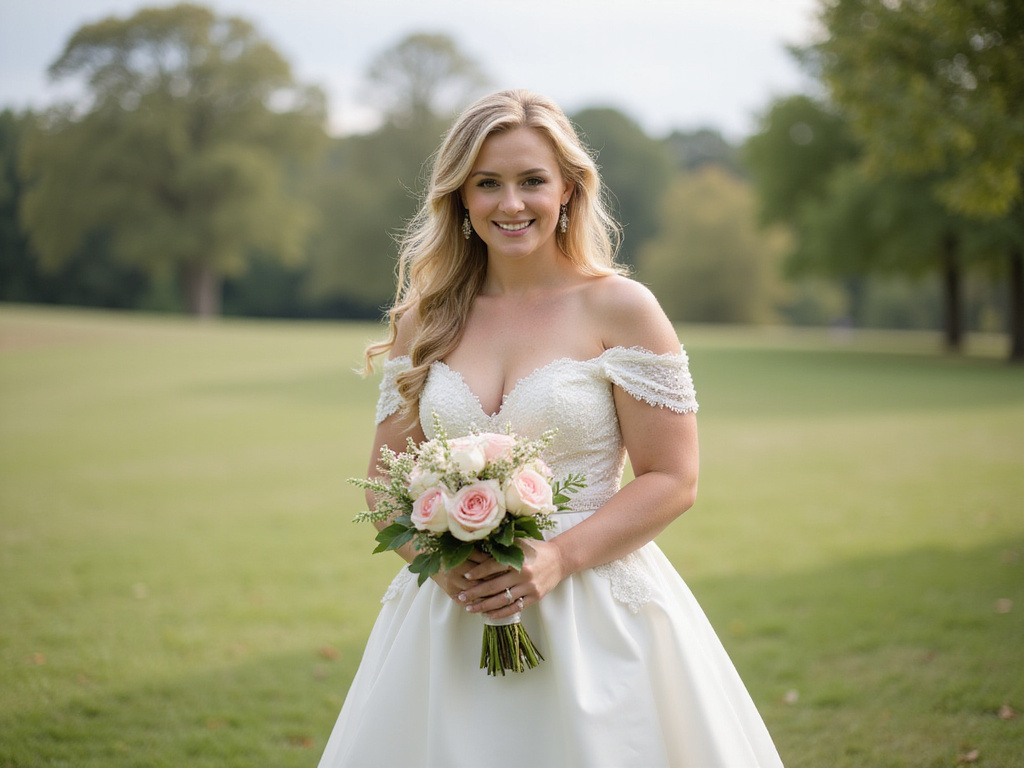
The Ultimate Guide to Losing Weight Before Your Wedding: Healthy Tips & Strategies
Your wedding day is approaching, and like many brides and grooms, you may be feeling the pressure to look your absolute best. Losing weight before your wedding is a common goal for many couples preparing to walk down the aisle. While it’s important to remember that your partner loves you exactly as you are, there’s nothing wrong with wanting to feel confident and radiant on your big day. This comprehensive guide will walk you through practical, sustainable, and healthy approaches to pre-wedding weight loss that won’t leave you stressed or exhausted when you say “I do.” From nutrition strategies and exercise plans to stress management and self-care tips, we’ll cover everything you need to know about shedding pounds before your wedding in a way that’s both effective and kind to your body.
Setting Realistic Wedding Weight Loss Goals
Before diving into any weight loss plan, it’s crucial to establish realistic expectations. Crash diets promising dramatic results may seem tempting when you’re counting down to your wedding date. However, these approaches almost always backfire.
Health experts generally recommend aiming for a weight loss of 1-2 pounds per week. This pace is not only more sustainable but also healthier for your body. To achieve this, you’ll need to create a calorie deficit of approximately 500-1000 calories per day through a combination of diet and exercise.
When determining your weight loss timeline, consider how many months you have before your wedding. If your big day is six months away, a realistic goal might be losing 24-48 pounds. Having a year gives you more flexibility, potentially up to 50-100 pounds if done healthily.
Remember: Your wedding dress or suit will likely need alterations. Most bridal shops recommend finalizing your weight loss 2-3 months before the wedding to allow time for final fittings. Pushing weight loss efforts too close to your wedding date can result in costly rush alteration fees.
Consider working with a registered dietitian who specializes in wedding preparation. They can help you create a personalized plan based on your specific goals, timeline, and dietary preferences. Many offer wedding-specific nutrition coaching to help you navigate this journey sensibly.
Creating a Balanced Pre-Wedding Nutrition Plan
The foundation of any successful weight loss strategy is nutrition. Rather than following a restrictive “wedding diet,” focus on creating balanced, sustainable eating habits that fuel your body properly. This approach not only supports weight loss but also maintains your energy levels during wedding planning.
Start by prioritizing whole, unprocessed foods. Fill your plate with colorful vegetables, lean proteins, whole grains, and healthy fats. These nutrient-dense options will keep you satisfied while naturally reducing your calorie intake.
Portion control is equally important. Consider using these guidelines for building balanced meals:
- Fill half your plate with non-starchy vegetables (leafy greens, broccoli, peppers)
- Reserve one-quarter for lean protein (chicken, fish, tofu, legumes)
- Use one-quarter for complex carbohydrates (brown rice, quinoa, sweet potatoes)
- Add a small amount of healthy fats (avocado, olive oil, nuts)
Hydration plays a crucial role in weight management. Sometimes, thirst signals are misinterpreted as hunger. Aim to drink at least 8-10 cups of water daily. Consider keeping a water bottle with you throughout the day and drinking a glass before meals to help control portions.
Planning and preparing meals in advance can prevent impulsive, less healthy food choices. Sunday meal prep sessions can be a lifesaver during busy wedding planning weeks. Prepare healthy proteins, chop vegetables, and portion snacks to make nutritious eating convenient.
Be mindful of liquid calories. Alcoholic beverages, sugary coffees, and sodas can add hundreds of unnecessary calories to your daily intake. Limit these drinks or opt for lower-calorie alternatives like sparkling water with lemon or unsweetened tea.
Effective Exercise Strategies for Shedding Pre-Wedding Pounds
Exercise is the perfect complement to a balanced nutrition plan when working toward your wedding weight loss goals. Beyond calorie burning, physical activity reduces stress, improves sleep quality, and enhances your overall mood – all valuable benefits during potentially stressful wedding planning.
If you’re new to exercise, start gradually. Begin with 20-30 minute sessions three times weekly, then increase duration and frequency as your fitness improves. Consistency matters more than intensity, especially when beginning.
For optimal results, incorporate both cardio and strength training into your routine. Cardio exercises like walking, jogging, cycling, or swimming burn calories and improve cardiovascular health. Strength training builds muscle, which increases your metabolic rate and creates more defined muscle tone for wedding photos.
Consider this balanced weekly exercise plan:
- Monday: 30-45 minutes of moderate-intensity cardio (brisk walking, cycling)
- Tuesday: 30 minutes of full-body strength training (weights, resistance bands, or bodyweight exercises)
- Wednesday: Rest day or gentle yoga
- Thursday: 30-45 minutes of interval training (alternating between high and low intensity)
- Friday: 30 minutes of upper body and core strength training
- Saturday: 45-60 minutes of longer, steady-state cardio
- Sunday: Active recovery (light walking, stretching)
Finding enjoyable activities increases adherence to your exercise plan. If you dislike running, try dancing, swimming, or hiking instead. Consider working with a personal trainer who specializes in wedding preparation for customized workouts targeting your specific goals.
Don’t underestimate the value of incidental movement throughout your day. Take the stairs, walk during lunch breaks, stand while talking on the phone, or suggest walking meetings with wedding vendors. These small changes accumulate significantly over time.
Stress Management Techniques for Pre-Wedding Weight Control
Wedding planning often brings significant stress, which can interfere with weight loss efforts. Stress triggers the release of cortisol, a hormone that promotes fat storage, particularly around the midsection. Additionally, many people cope with stress through emotional eating.
Recognizing your personal stress triggers is the first step toward managing them effectively. Common wedding-related stressors include family dynamics, budget concerns, decision fatigue, and time constraints. Once identified, develop specific strategies to address each stressor.
Prioritize adequate sleep. Sleep deprivation increases hunger hormones and decreases willpower. Aim for 7-9 hours nightly, establishing a consistent sleep schedule even during busy planning periods. Create a relaxing bedtime routine and limit screen time before sleep.
Incorporate regular relaxation practices into your routine. Even 10 minutes daily of meditation, deep breathing exercises, or gentle yoga can significantly reduce stress levels. Several smartphone apps offer guided sessions specifically designed for stress reduction.
Don’t hesitate to delegate wedding tasks. Your partner, wedding party, family members, or a professional wedding planner can share the workload. Creating a detailed timeline with manageable tasks prevents last-minute planning frenzies that trigger stress eating.
Schedule regular self-care activities. Whether it’s a massage, reading a book, taking a bath, or simply enjoying a cup of tea without distractions, these moments of calm are vital for stress management. Mark them in your calendar as non-negotiable appointments with yourself.
Smart Strategies for Trimming Down Before Your Wedding Day
Beyond the fundamentals of nutrition and exercise, several practical strategies can enhance your pre-wedding weight loss journey. These approaches don’t require drastic lifestyle changes but can significantly impact your results.
Keep a food journal to increase awareness of your eating patterns. Studies show that people who track their food intake lose more weight than those who don’t. Note not only what and how much you eat but also when, where, and how you feel. This information helps identify emotional eating triggers and mindless snacking habits.
Practice mindful eating at every meal. Slow down, eliminate distractions, and fully experience your food’s flavors and textures. It takes approximately 20 minutes for your brain to register fullness signals, so pacing yourself prevents overeating. Try putting down your utensils between bites or chewing each mouthful thoroughly.
Recruit an accountability partner. This could be your fiancé, a friend, or another bride-to-be. Regular check-ins with someone who understands your goals can provide motivation during challenging times. Consider joining online communities specifically for brides working toward weight loss goals.
Implement the 80/20 rule. Aim for nutritious choices 80% of the time while allowing yourself flexibility for special occasions or favorite treats 20% of the time. This balanced approach prevents feelings of deprivation that often lead to binge eating.
Re-evaluate and adjust your plan regularly. Your body adapts to exercise routines and calorie levels over time, which can slow progress. Every 4-6 weeks, reassess your approach and make necessary modifications to continue seeing results. This might include changing workout intensity, adjusting calorie intake, or trying new healthy recipes to prevent boredom.
Avoiding Common Pre-Wedding Diet Pitfalls
The pressure to achieve dramatic results before your wedding can lead to counterproductive approaches. Understanding common pitfalls helps you navigate your weight loss journey more effectively while maintaining physical and mental wellbeing.
Extreme calorie restriction is tempting but dangerous. Consuming fewer than 1200 calories daily (for women) or 1500 (for men) can slow metabolism, cause nutritional deficiencies, and lead to muscle loss. These diets typically result in quick initial weight loss followed by plateaus and eventual regain.
Beware of “detox” cleanses and fad diets promising rapid results. These approaches rarely provide sustainable outcomes and can leave you feeling fatigued, irritable, and nutrient-deprived. Your body has natural detoxification systems that function best when supported by balanced nutrition.
Don’t eliminate entire food groups unless medically necessary. Cutting out carbohydrates, dairy, or other food categories can create nutritional imbalances and increase cravings. Instead, focus on appropriate portions and higher-quality versions of these foods.
Avoid excessive exercise, particularly as your wedding approaches. Overtraining increases injury risk and can elevate stress hormones, potentially hindering weight loss. Balance higher-intensity workouts with adequate recovery periods and gentler activities like yoga or walking.
Be cautious about weight loss supplements and “miracle” products. Many contain potentially harmful ingredients or stimulants that can cause nervousness, digestive issues, and sleep disturbances. Always consult healthcare professionals before trying any supplement, especially leading up to your wedding.
Remember that wedding dress sizes typically run smaller than regular clothing. Don’t become fixated on achieving a specific dress size; focus instead on how you feel and how your clothes fit. Professional alterations can ensure your wedding attire flatters your body, whatever its size or shape.
Nutrition Strategies for the Final Month Before Your Wedding
As your wedding day approaches, slight adjustments to your nutrition plan can help you feel your best without resorting to extreme measures. The final month requires a balanced approach that minimizes bloating and water retention while maintaining energy levels.
Gradually increase your vegetable and fruit intake while moderating starchy carbohydrates. This naturally reduces calorie density while providing essential nutrients and fiber. Aim for a rainbow of produce colors to ensure a broad spectrum of vitamins and antioxidants that promote skin clarity and overall health.
Pay special attention to sodium intake, as excess salt promotes water retention. Minimize processed foods, which typically contain high sodium levels. Season home-cooked meals with herbs, spices, citrus, and vinegars rather than salt. Read nutrition labels carefully when purchasing packaged foods.
Monitor your fiber intake carefully. While fiber is essential for digestive health, suddenly increasing fiber can cause bloating and discomfort. If you’ve been following a high-fiber diet throughout your wedding preparation, maintain this approach. If not, make only modest increases to avoid digestive issues on your wedding day.
Consider reducing dairy and gluten consumption if you notice these foods cause bloating or digestive discomfort. Many people have mild sensitivities that become apparent only when paying close attention to their body’s responses. However, avoid eliminating these food groups entirely without evidence they affect you personally.
In the final week, focus on consistent hydration while minimizing carbonated beverages and known bloat-inducing foods like cruciferous vegetables, beans, and sugar alcohols. Maintain regular meal timing to support digestive regularity. Avoid trying new foods or supplements that might cause unexpected reactions.
Maintaining a Positive Body Image Throughout Wedding Preparation
While working toward weight loss goals, nurturing a positive relationship with your body remains essential. The wedding industry often promotes unrealistic body standards that can damage self-image and create unnecessary pressure during what should be a joyful time.
Practice gratitude for what your body can do rather than focusing exclusively on appearance. Your body is carrying you through wedding planning, work responsibilities, social obligations, and exercise routines. Acknowledge its strength and resilience regardless of its size or shape.
Be mindful of your internal dialogue about your body. Challenge negative thoughts when they arise and replace them with more compassionate perspectives. Would you speak to a beloved friend the way you speak to yourself? If not, adjust your self-talk accordingly.
Select wedding attire that celebrates your current body. Work with bridal consultants who understand how to dress different body types beautifully. The right cut, fabric, and structural elements can highlight your favorite features while creating a silhouette that makes you feel confident.
Remember why your partner chose you. They fell in love with the complete person you are—your personality, values, humor, intelligence, and yes, your physical self as well. Trust that they will find you breathtaking on your wedding day regardless of whether you’ve reached a specific weight goal.
Consider working with a mental health professional if wedding weight concerns are causing significant anxiety or unhealthy behaviors. Many therapists specialize in body image issues and can provide valuable perspective during this emotionally charged time.
Life After “I Do”: Transitioning to Sustainable Healthy Habits
Many couples focus intensely on pre-wedding weight loss only to abandon healthy habits immediately after the ceremony. Planning for post-wedding wellness prevents this common pattern and helps you enjoy the benefits of your pre-wedding lifestyle changes long-term.
Shift your mindset from “wedding weight loss” to “lifetime wellness.” Rather than viewing healthy habits as temporary measures for looking good in photos, recognize them as investments in your long-term health, energy, and quality of life with your new spouse.
Discuss health goals and values with your partner. How do you both envision supporting each other’s wellbeing throughout your marriage? Creating shared healthy routines—like weekend hikes, cooking nutritious meals together, or joining a sports league—strengthens both your health and your relationship.
Plan for your honeymoon strategically. While this special trip is certainly a time for indulgence, balance is possible. Research shows that people who maintain weight loss success allow themselves treats in moderation without abandoning core healthy habits. Consider how you’ll incorporate movement and nutritious options alongside special meals and desserts.
Establish your newlywed home as a health-supporting environment. Stock your kitchen with nutritious staples, create space for home workouts if you enjoy them, and consider how your combined living arrangements can make healthy choices convenient for both of you.
Remember that your body will naturally change throughout your life and marriage. Pregnancy, aging, health conditions, and life circumstances will all influence your weight and appearance over time. Cultivating acceptance and adaptability now creates resilience for navigating these inevitable changes together.
Conclusion: Your Balanced Approach to Wedding Weight Loss
Losing weight before your wedding can be accomplished healthily when approached with realistic expectations and a balanced perspective. By combining sensible nutrition, regular physical activity, effective stress management, and positive body image practices, you can work toward your goals while still enjoying your engagement period. Remember that your wedding day is about celebrating the love between you and your partner—not achieving a specific number on the scale. Focus on feeling healthy, confident, and joyful as you begin this new chapter of your life together.
Frequently Asked Questions About Losing Weight Before Your Wedding
How soon before my wedding should I start trying to lose weight?
Ideally, begin your weight loss journey 6-12 months before your wedding. This timeline allows for a healthy rate of weight loss (1-2 pounds per week) without extreme measures. Starting early also provides buffer time for plateaus and gives you 2-3 months before the wedding for final dress fittings without further significant weight changes.
What is a realistic amount of weight to lose before my wedding?
A healthy, sustainable weight loss rate is 1-2 pounds per week. Based on this guideline, you could realistically lose 4-8 pounds per month with consistent effort. For a 6-month timeline, this translates to approximately 24-48 pounds. Focus on how you feel and how your clothes fit rather than fixating solely on numbers.
Should I try a cleanse or detox to lose weight quickly before my wedding?
No, cleanses and detoxes are not recommended for pre-wedding weight loss. These approaches typically result in temporary water weight loss, not fat loss, and can cause side effects like fatigue, irritability, and digestive issues. Your body has natural detoxification systems that function best when supported by balanced nutrition, adequate hydration, and regular physical activity.
How can I avoid looking bloated on my wedding day?
To minimize bloating on your wedding day: reduce sodium intake in the week before; stay well-hydrated; limit carbonated beverages; moderate consumption of gas-producing foods like cruciferous vegetables and beans; avoid chewing gum (which can cause you to swallow air); limit alcohol; maintain regular meal timing; and get adequate sleep. If you know certain foods consistently cause bloating for you personally, consider avoiding them in the days before your wedding.
What should I do if I’m not seeing results despite following a wedding weight loss plan?
If you’re not seeing expected results, first verify you’re accurately tracking food intake and portions—many people underestimate their consumption. Next, review your sleep and stress levels, as both significantly impact weight management. Consider consulting a registered dietitian who can analyze your current approach and suggest personalized adjustments. Remember that weight loss isn’t always linear; plateaus are normal parts of the process.
Can my fiancé and I lose weight together before our wedding?
Absolutely! Pursuing weight loss together can provide mutual accountability, motivation, and support. However, recognize that men and women often lose weight at different rates due to physiological differences. Create a shared framework of healthy habits while setting individual goals appropriate for your bodies. Cooking nutritious meals together and finding physical activities you both enjoy can strengthen your relationship while improving health.
Is it possible to tone specific areas before my wedding?
While “spot reduction” (losing fat from specific areas through targeted exercises) isn’t physiologically possible, you can definitely improve muscle tone in particular body parts. Resistance training for areas like arms, back, and core can enhance muscle definition as you lose overall body fat through nutrition and cardio exercise. A personal trainer can help design a program targeting the areas you’d like to showcase in your wedding attire.
How do I handle food-centered wedding events while trying to lose weight?
For bridal showers, bachelor/bachelorette parties, and tastings: plan ahead by eating a small protein-rich snack before events; stay hydrated; practice mindful eating; choose protein and vegetables first; limit alcohol; offer to bring a healthy dish to potluck-style gatherings; and remember that one indulgent meal won’t derail your overall progress. Balance is key—allow yourself to participate in celebrations without guilt while maintaining awareness of your choices.
References:
