
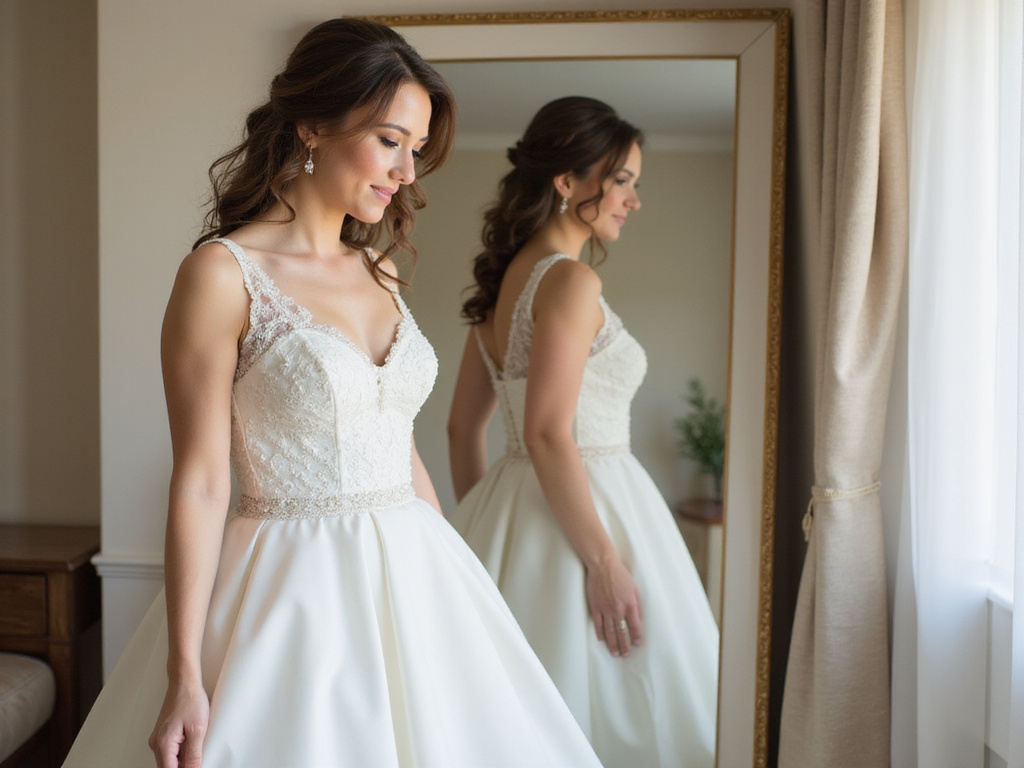
The Ultimate Guide to Losing Weight to Fit Into Your Wedding Dress
Your wedding day is one of the most important milestones in your life. Every bride wants to look absolutely stunning while walking down the aisle in her dream dress. However, finding the perfect dress is only part of the equation. Many brides also aim to shed some pounds to achieve that picture-perfect silhouette. According to recent surveys, nearly 65% of brides-to-be plan to lose weight before their wedding. The journey of wedding dress weight loss requires a balanced approach that combines healthy eating, regular exercise, and proper timing. This comprehensive guide will walk you through effective, sustainable methods to lose weight for your wedding dress while maintaining your health and sanity. We’ll cover everything from realistic goal setting to essential timelines, nutrition tips, exercise recommendations, and how to handle dress fittings while your body changes.
Setting Realistic Weight Loss Goals for Your Wedding
Before embarking on your pre-wedding weight loss journey, it’s essential to establish reasonable goals. Experts recommend aiming to lose 1-2 pounds per week for sustainable, healthy results. This gradual approach ensures you’re not putting excessive stress on your body.
Start by assessing your current weight and determining how much time you have before your wedding. Avoid crash diets that promise rapid results but can lead to muscle loss, nutritional deficiencies, and ultimately weight regain after the wedding.
A realistic goal might look like losing 10-15 pounds over 3-4 months, rather than attempting to drop 30 pounds in the same timeframe. Remember that your goal should focus on feeling confident and healthy, not just reaching a specific number on the scale.
Consider consulting with a registered dietitian who specializes in wedding preparation. They can help develop a personalized plan that accounts for your body type, lifestyle, and wedding timeline.
Track your progress using measurements and photos rather than relying solely on the scale. Muscle weighs more than fat, so the scale might not reflect all the positive changes happening to your body.
Timeline: When to Start Your Wedding Dress Slimming Plan
Timing is crucial when planning to shed pounds for your wedding day. Your weight loss journey should align perfectly with your dress shopping and fitting schedule to avoid alteration complications.
Most wedding dresses should be purchased 8-12 months before the big day. This provides ample time for ordering, shipping, and alterations. If you’re planning to lose weight, communicate this with your bridal consultant at your first appointment.
For significant weight loss goals (20+ pounds), begin your weight loss regimen immediately after engagement. This gives you the longest possible timeframe to lose weight healthily before dress shopping.
For moderate goals (10-20 pounds), start your plan 6-8 months before the wedding. This timeline works well with most dress ordering schedules.
For smaller goals (5-10 pounds), a 3-4 month plan beginning after your second dress fitting is appropriate. Aim to reach your goal weight at least 2-3 weeks before your final fitting.
Important: Most bridal shops recommend stopping any significant weight loss 3-4 weeks before your wedding. This allows your body to stabilize and ensures your dress will fit perfectly on the day.
Nutritional Strategies for Bridal Body Transformation
Nutrition plays the most significant role in weight loss success. Rather than adopting extreme diets, focus on balanced, sustainable eating habits. These will not only help you lose weight but also enhance your skin, hair, and overall bridal glow.
Prioritize protein-rich foods in every meal. Lean proteins like chicken, fish, tofu, and legumes help preserve muscle mass during weight loss and keep you feeling fuller longer. Aim for about 0.8-1 gram of protein per pound of body weight daily.
Incorporate plenty of fiber through vegetables, fruits, and whole grains. These foods provide essential nutrients while keeping you satisfied on fewer calories. Fiber-rich foods also promote digestive health, reducing bloating for your wedding day.
Stay hydrated by drinking at least 8-10 glasses of water daily. Sometimes thirst is mistaken for hunger, leading to unnecessary snacking. Water also supports metabolism and helps flush toxins from your body.
Consider meal prepping to avoid impulsive food choices when busy with wedding planning. Having healthy, portion-controlled meals ready to go can prevent stress eating and save time.
Limit alcohol consumption, as it adds empty calories and can weaken resolve. If you do drink, opt for lower-calorie options like vodka with soda water and limit yourself to 1-2 drinks per week.
Sample Pre-Wedding Day Meal Plan
- Breakfast: Greek yogurt with berries and a tablespoon of chia seeds
- Mid-morning snack: Apple slices with 1 tablespoon almond butter
- Lunch: Large salad with grilled chicken, colorful vegetables, and olive oil-based dressing
- Afternoon snack: Small handful of nuts or a protein shake
- Dinner: Baked salmon with roasted vegetables and quinoa
- Evening (if needed): Herbal tea and a small piece of dark chocolate
Effective Exercise Regimens for Wedding Dress Ready Physique
Exercise complements your nutritional efforts and helps sculpt your body to look amazing in your wedding dress. A combination of cardio, strength training, and flexibility work yields the best results.
Cardio exercises burn calories and improve cardiovascular health. Aim for at least 150 minutes of moderate-intensity cardio each week. Options include brisk walking, jogging, cycling, swimming, or dance-based workouts.
Strength training 2-3 times weekly helps build lean muscle, which boosts metabolism even at rest. Focus on compound movements like squats, lunges, push-ups, and rows that work multiple muscle groups simultaneously.
Target dress-specific areas based on your gown style. For strapless dresses, prioritize shoulder and arm exercises. For form-fitting gowns, focus on core and lower body workouts.
Consider hiring a personal trainer for a few sessions to create a customized workout plan. Many offer “bridal packages” specifically designed for wedding preparation.
Incorporate stress-reducing activities like yoga or pilates. These improve posture and flexibility while calming the mind during the often-stressful wedding planning period.
Workout Plan Based on Wedding Dress Style
| Dress Style | Focus Areas | Recommended Exercises |
|---|---|---|
| Strapless/Sweetheart | Arms, shoulders, chest, upper back | Push-ups, dumbbell presses, lat pulldowns, tricep dips |
| Backless | Upper, middle, and lower back | Rows, pull-ups, back extensions, reverse flys |
| Mermaid/Trumpet | Core, hips, thighs | Planks, Russian twists, squats, lunges, hip thrusts |
| Ball Gown | Waist, upper body | Waist rotations, oblique crunches, arm exercises |
| Sheath/Column | Full body toning | Full-body workouts, HIIT, Pilates |
Managing Dress Fittings During Your Wedding Weight Loss Journey
Navigating dress fittings while losing weight requires careful planning. Most dresses go through 2-3 fittings before the wedding day. Working closely with your seamstress ensures your gown fits perfectly regardless of body changes.
Order your dress in a size that fits your current body or just slightly smaller if you’re in the early stages of your weight loss journey. It’s easier and less expensive to take a dress in than to let it out significantly.
When purchasing, be transparent with the bridal consultant about your weight loss plans. Experienced consultants can recommend dress styles and fabrics that accommodate alterations more easily.
Consider buying a dress with a corset back, which offers more flexibility with size fluctuations than fully zipped styles. Dresses with structured bodices also tend to be more forgiving during weight changes.
Schedule your final fitting 2-3 weeks before your wedding, after you’ve completed most of your weight loss. Maintain your weight during these last few weeks to ensure your dress fits perfectly on your wedding day.
Be prepared for potential additional alteration costs if you lose more weight than anticipated. Most bridal shops charge per alteration, so significant changes may increase your overall budget.
Avoiding Crash Diets for Sustainable Bridal Slimming
The pressure to look perfect on your wedding day might tempt you toward extreme diets. However, crash diets can sabotage both your health and your dress fitting schedule. Sustainable approaches yield better long-term results.
Crash diets often lead to rapid weight loss followed by equally rapid regain, sometimes resulting in a higher weight than before. This yo-yo effect can wreak havoc on your dress fittings and overall well-being.
Extreme calorie restriction can cause nutrient deficiencies that affect skin, hair, and nail quality. You want to glow on your wedding day, not look tired and dull from an inadequate diet.
Very low-calorie diets often lead to muscle loss rather than primarily fat loss. This changes your body composition in unflattering ways and slows your metabolism.
Extreme approaches can trigger unhealthy relationships with food and body image. Your wedding should be a joyful time, not one dominated by restrictive eating and negative self-talk.
Instead, focus on creating healthy habits that you can maintain beyond your wedding day. This approach supports lifelong wellness and helps you start your marriage in a positive, balanced mindset.
Managing Stress and Sleep for Optimal Wedding Weight Loss
Wedding planning often brings significant stress, which can hinder weight loss efforts. Cortisol, the stress hormone, promotes fat storage, particularly around the midsection. Managing stress becomes an essential component of your pre-wedding weight loss plan.
Prioritize sleep, aiming for 7-8 hours per night. Sleep deprivation disrupts hunger hormones, increasing cravings for high-calorie foods. Well-rested brides make better food choices and have more energy for workouts.
Incorporate stress-reduction techniques like meditation, deep breathing, or gentle yoga into your daily routine. Even 10 minutes daily can significantly improve your stress levels and support weight management.
Schedule regular self-care activities amid wedding planning chaos. Massages, bubble baths, or simple nature walks can provide mental restoration that prevents stress eating.
Consider delegating some wedding tasks to reduce your overall stress burden. A wedding planner, helpful family members, or bridesmaids can take on responsibilities that might otherwise overwhelm you.
Track your stress levels alongside your weight loss journey. If you notice increased stress correlating with weight loss plateaus, it may be time to adjust your approach and incorporate more relaxation techniques.
Tackling Common Challenges in Pre-Wedding Weight Loss
Even with the best intentions, obstacles can arise during your pre-wedding slimming journey. Recognizing common challenges and having strategies to overcome them increases your chances of success.
Weight loss plateaus frequently occur after initial progress. When you hit a plateau, try adjusting your calorie intake slightly, changing your exercise routine, or incorporating strength training if you haven’t already.
Social events and wedding tastings can derail your nutrition plans. Prepare by eating a protein-rich snack before events, choosing the healthiest options available, and limiting alcohol consumption.
Time constraints often challenge consistent exercise routines during busy wedding planning periods. Opt for shorter, high-intensity workouts when time is limited. Even 20-minute sessions can maintain fitness momentum.
Emotional eating might increase with wedding stress. Identify your emotional eating triggers and develop alternative coping strategies like journaling, talking with a friend, or taking a short walk.
Family pressure regarding your appearance can add stress to your journey. Set boundaries with well-meaning relatives who comment on your weight or eating habits. Remember that your health and happiness are the priorities.
Maintaining Perspective: Balancing Weight Goals with Wedding Joy
While looking your best is important, becoming obsessed with wedding weight loss can diminish the joy of this special time. Maintaining a healthy perspective helps balance aesthetic goals with emotional well-being.
Remember that your partner is marrying you for who you are, not for a specific dress size. Your worth isn’t determined by the number on the scale or how you look in your wedding photos.
Focus on feeling healthy, strong, and confident rather than achieving a particular weight. These positive feelings will radiate through your photos far more than dropping an extra few pounds.
Celebrate non-scale victories like increased energy, improved sleep, clearer skin, or better fitness. These benefits enhance your wedding experience regardless of whether you reach your target weight.
If you find yourself becoming overly anxious about weight loss, consider speaking with a therapist who specializes in body image issues. They can help maintain perspective during this emotional time.
Take regular breaks from wedding planning and weight management to simply enjoy your engagement period. This special time passes quickly, and you’ll want memories beyond dress fittings and workout sessions.
Post-Wedding Weight Management: Transitioning to Lifelong Healthy Habits
Many brides focus intensely on weight loss before the wedding but struggle to maintain healthy habits afterward. Planning for post-wedding life helps sustain the positive changes you’ve made and avoid the common “wedding weight regain.”
Gradually increase your calorie intake after the wedding rather than immediately reverting to pre-weight loss eating patterns. This prevents the shock to your system that can lead to rapid weight regain.
Continue the healthy meal planning habits you developed during wedding preparation. Many couples find that cooking nutritious meals together strengthens their new marital bond.
Transition your exercise routine from appearance-focused to health and enjoyment-focused. Find physical activities you genuinely enjoy and can maintain long-term.
Set new wellness goals with your spouse that go beyond weight management. Training for a charity run, taking cooking classes, or learning a new active hobby together creates shared healthy experiences.
Be vigilant during the honeymoon and early marriage period, as this is when many healthy habits tend to slip. Pack workout clothes for your honeymoon and research healthy dining options at your destination.
Conclusion: Your Balanced Approach to Wedding Dress Weight Loss
Losing weight to fit into your wedding dress can be accomplished healthily and sustainably with proper planning, realistic goals, and a balanced approach. By focusing on nutritious eating, regular exercise, stress management, and proper timing with dress fittings, you can achieve your desired look while maintaining your physical and emotional wellbeing. Remember that your wedding day is about celebrating love, not just showcasing a perfect figure. The healthiest approach embraces both looking your best and enjoying this special chapter of your life. With these strategies, you’ll not only shine in your wedding dress but also establish healthy habits that benefit you long after you say “I do.”
For more wedding fitness tips, visit Wedding Diet or Lovella Bridal’s blog.
Frequently Asked Questions About Losing Weight to Fit into Wedding Dress
How much weight can I realistically lose before my wedding?
Healthy, sustainable weight loss typically ranges from 1-2 pounds per week. Depending on your timeline, you might realistically lose 8-10 pounds in 2 months or 16-20 pounds in 4 months. Losing weight too quickly can cause muscle loss and may result in dress fitting issues. Focus on gradual, consistent progress rather than extreme measures.
When should I stop losing weight before my wedding?
Ideally, stop active weight loss efforts 3-4 weeks before your wedding day. This allows your body weight to stabilize and ensures your final dress fitting results in a perfect fit on your wedding day. During these last few weeks, maintain your weight by eating at maintenance calories while continuing your regular exercise routine.
What if I lose more weight than expected after purchasing my dress?
Most wedding dresses can be altered down 1-2 sizes maximum. If you lose more weight than anticipated, speak with your seamstress as soon as possible. They may need to restructure elements of the dress, which could increase alteration costs. Some significant changes might require adding fabric panels or completely rebuilding certain sections of the gown.
Which wedding dress styles are most forgiving for weight fluctuations?
Dresses with corset backs offer the most flexibility, allowing adjustments of up to 2 inches. A-line and ball gown styles are forgiving around the hips and lower body. Dresses with ruching can disguise small weight fluctuations. Avoid highly structured mermaid or trumpet styles if you anticipate significant weight changes, as these are the most difficult and expensive to alter.
How can I avoid looking too thin in my wedding photos?
Focus on body recomposition (building muscle while losing fat) rather than just reducing scale weight. Incorporate strength training into your routine to maintain muscle mass. Stay within healthy BMI ranges for your height. Avoid losing weight too rapidly in the weeks before your wedding, as this can cause a gaunt appearance. Remember that healthy, glowing skin and hair contribute more to photogenic qualities than extreme thinness.
What foods should I avoid before my final dress fitting?
In the week before fittings, minimize foods that cause bloating and water retention: high-sodium processed foods, carbonated beverages, dairy (if sensitive), certain vegetables (broccoli, cabbage, beans), artificial sweeteners, and alcohol. Instead, focus on lean proteins, non-bloating vegetables, moderate complex carbohydrates, and plenty of water. This approach helps ensure your measurements remain consistent and comfortable during fittings.
Should I try on wedding dresses before losing weight?
Yes, shop for dresses early but purchase based on your current size or only slightly smaller if you’re at the beginning of your weight loss journey. Many brides make the mistake of buying dresses several sizes too small, creating unnecessary stress. Most bridal consultants recommend purchasing a dress that fits now and can be altered down, rather than gambling on significant weight loss. Remember, you can always take a dress in, but letting it out is limited by seam allowances.
How do I deal with weight loss plateaus before my wedding?
Weight loss plateaus are normal and can be overcome by: recalculating your calorie needs (they decrease as you lose weight), changing your exercise routine to challenge your body differently, incorporating strength training if you’ve been focusing on cardio, temporarily increasing your calorie intake for 1-2 days to reset hormones, managing stress (which can stall weight loss), and ensuring adequate sleep. Sometimes, simply maintaining for a week before continuing weight loss efforts can help break through plateaus.
