
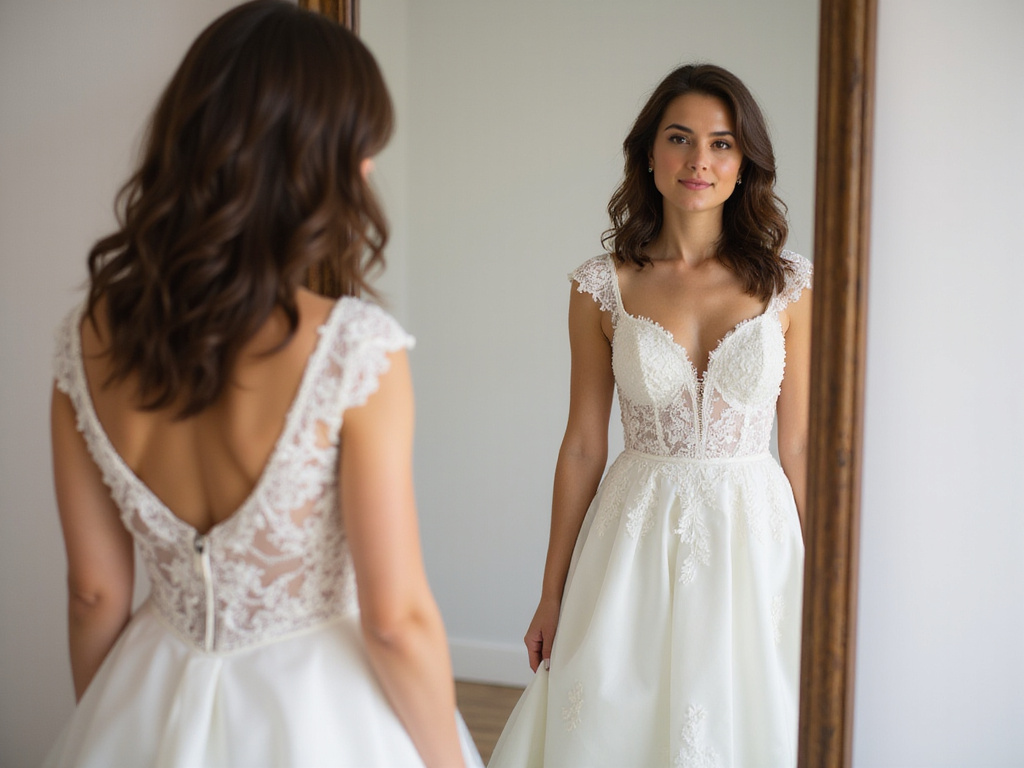
Ultimate Guide to Losing Weight for Your Wedding Dress: Healthy Tips for Brides
Your wedding day is approaching, and like many brides-to-be, you might be feeling the pressure to look your absolute best in that dream wedding dress. The desire to shed a few pounds before your big day is completely natural. However, the journey to fitting perfectly into your wedding dress should be both healthy and sustainable. In this comprehensive guide, we’ll explore effective weight loss methods, share practical tips and tricks, and provide a realistic approach to pre-wedding weight management. From nutrition strategies and exercise regimens to dress shopping advice and mindset shifts, we’ll cover everything you need to know about losing weight for your wedding dress while maintaining your physical and mental well-being throughout the process.
Understanding the Wedding Weight Loss Pressure
The pressure to lose weight before a wedding is incredibly common among brides. This pressure stems from various sources – social media, bridal magazines, family expectations, and even internal desires to look “perfect” on what many consider the most important day of their lives.
According to WeddingStats.org, approximately 68% of brides-to-be aim to lose weight before their wedding. This statistic highlights how widespread this phenomenon is in wedding culture.
It’s important to acknowledge this pressure exists. However, it’s equally important to approach pre-wedding weight loss with a healthy mindset. Your wedding day should be about celebrating love, not stressing over fitting into a specific dress size.
The reality check: Extreme dieting or crash weight loss plans can lead to:
- Increased stress and anxiety
- Potential health issues
- Weight regain after the wedding
- Negative body image concerns
Instead of focusing solely on the number on the scale, consider approaching your wedding preparation as an opportunity to establish healthier habits that will benefit you long after you say “I do.” This approach not only helps you look great in your wedding dress but also sets the foundation for a healthier married life.
Setting Realistic Weight Loss Goals for Your Wedding
Before embarking on any weight loss journey for your wedding, it’s crucial to set realistic expectations. Unrealistic goals can lead to disappointment, unhealthy behaviors, and unnecessary stress during what should be an exciting time in your life.
Health experts generally recommend a safe and sustainable weight loss rate of 1-2 pounds per week. This means that if your wedding is six months away, a realistic weight loss goal might be around 24-48 pounds maximum.
Timeline considerations for wedding dress weight loss:
| Timeframe Before Wedding | Realistic Weight Loss Goal | Recommended Approach |
|---|---|---|
| 12+ months | 30-50 pounds | Gradual lifestyle changes with professional guidance |
| 6-12 months | 15-30 pounds | Consistent healthy eating and regular exercise |
| 3-6 months | 10-20 pounds | Structured meal plans and workout routines |
| 1-3 months | 5-10 pounds | Focus on nutrition optimization and toning |
| Less than 1 month | 2-4 pounds | Minor adjustments and water weight management |
Remember that your wedding dress fittings play a significant role in your weight loss timeline. Most bridal shops recommend:
- First fitting: 2-3 months before the wedding
- Second fitting: 1 month before the wedding
- Final fitting: 1-2 weeks before the wedding
Be open with your bridal consultant about your weight loss plans. They can guide you on how much alteration is possible and help you choose a dress style that accommodates potential changes in your body shape. Many experienced consultants suggest buying a dress that fits your current size rather than purchasing a smaller size as “motivation.”
Nutrition Strategies for Pre-Wedding Slimming
A balanced nutrition plan forms the foundation of any successful weight loss journey. For brides preparing for their wedding day, focusing on nutrient-dense foods rather than restrictive dieting offers the best results both for fitting into your dress and maintaining energy during the hectic wedding planning period.
Start by creating a caloric deficit of about 500 calories per day, which should result in about 1 pound of weight loss weekly. This can be achieved through a combination of diet modifications and increased physical activity.
Key nutrition principles for pre-wedding weight loss:
- Prioritize protein – Helps preserve muscle mass while losing fat and increases satiety. Include lean sources like chicken, fish, eggs, tofu, and legumes.
- Focus on fiber-rich foods – Vegetables, fruits, and whole grains help keep you full longer and support digestive health.
- Stay hydrated – Aim for 2-3 liters of water daily to support metabolism and reduce water retention.
- Limit processed foods – Reduce intake of sugary snacks, fried foods, and refined carbohydrates that can cause bloating and energy crashes.
- Practice portion control – Use smaller plates and be mindful of serving sizes without strict calorie counting.
Many brides find success with meal prepping. Preparing healthy meals in advance reduces the temptation to order takeout during stressful wedding planning sessions. Consider dedicating a few hours each weekend to prepare nutritious meals for the upcoming week.
Intermittent fasting has become popular among brides-to-be. Methods like the 16:8 approach (fasting for 16 hours, eating during an 8-hour window) can help reduce overall calorie intake. However, this approach isn’t suitable for everyone, especially those with certain medical conditions.
Remember that extreme dieting can lead to:
- Hair loss
- Skin problems
- Low energy
- Mood swings
These are all things you want to avoid before your wedding! Focus on nourishing your body rather than depriving it.
Sample Pre-Wedding Meal Plan for Bridal Weight Management
Below is a sample day of eating that provides adequate nutrition while supporting weight loss goals:
Breakfast: Greek yogurt with berries and a tablespoon of chia seeds
Mid-morning snack: Apple with 1 tablespoon of almond butter
Lunch: Large salad with grilled chicken, avocado, mixed vegetables, and olive oil dressing
Afternoon snack: Handful of nuts and a small piece of cheese
Dinner: Baked salmon with roasted vegetables and quinoa
Evening (optional): Herbal tea with a small square of dark chocolate
This balanced approach ensures you’re getting adequate protein, healthy fats, and complex carbohydrates while maintaining a slight caloric deficit. Adjust portions based on your specific needs and activity level.
Effective Exercise Regimens for Fitting Into Your Wedding Dress
Exercise is a crucial component of any bridal weight loss plan. Not only does it help burn calories, but it also tones muscles, improves posture, and reduces stress – all beneficial for both your wedding dress fit and your overall wedding experience.
For optimal results, combine three types of exercise:
- Cardiovascular exercise – Burns calories and improves heart health
- Strength training – Tones muscles and boosts metabolism
- Flexibility work – Improves posture and reduces stress
The ideal workout schedule includes 3-5 days of cardio (30-45 minutes each), 2-3 days of strength training, and daily stretching or yoga. This balanced approach helps create the lean, toned look many brides desire.
Target Areas for Wedding Dress Confidence
Different wedding dress styles highlight various body areas. Consider focusing on specific exercises based on your dress style:
| Dress Style | Focus Areas | Recommended Exercises |
|---|---|---|
| Strapless | Arms, shoulders, upper back, chest | Push-ups, lateral raises, rows, chest flies |
| Backless | Back, core | Lat pulldowns, rows, planks, back extensions |
| Mermaid/Fitted | Core, hips, thighs | Squats, lunges, hip thrusts, planks, Russian twists |
| Ball Gown | Waist, upper body | Oblique exercises, upper body circuit training |
| Sheath/Column | Full body toning | Full body workouts, Pilates, cardio intervals |
Consider working with a personal trainer for a customized wedding fitness plan. Many trainers offer “bridal packages” designed specifically for wedding preparation. If budget is a concern, online fitness programs tailored to brides are available at various price points.
Remember to incorporate rest days into your routine. Overtraining can lead to injury, fatigue, and even weight loss plateaus. Listen to your body and adjust your training intensity accordingly.
For busy brides, short, high-intensity interval training (HIIT) sessions can be more time-efficient than longer, moderate workouts. A 20-minute HIIT workout can burn as many calories as a 45-minute steady-state cardio session.
Navigating Wedding Dress Shopping While Planning to Lose Weight
Wedding dress shopping can be challenging when you’re planning to lose weight before the big day. It requires careful consideration of timing, alterations, and setting realistic expectations about what changes can be accommodated.
Most bridal experts recommend purchasing your wedding dress 8-10 months before your wedding. This timeline allows for:
- Manufacturing time (3-5 months)
- Shipping (1-2 months)
- Multiple fittings and alterations (2-3 months)
If you’re planning significant weight loss, communicate this clearly with your bridal consultant. They can recommend dress styles and fabrics that allow for easier alterations. Generally, dresses can be taken in about 1-2 sizes without compromising the design’s integrity.
Tips for wedding dress shopping when planning to lose weight:
- Purchase a dress that fits your current size, not your goal size
- Choose styles with structure (like corsets or boning) that can be easily altered
- Consider dresses with lace-up backs that offer more flexibility
- Avoid heavily beaded dresses or styles with elaborate seaming that make alterations challenging
- Budget for potentially extensive alterations
According to WeddingsDiet.com, most seamstresses can alter a dress down about two sizes comfortably. Beyond that, the dress’s structure may be compromised, or alterations may become prohibitively expensive.
Some brides wonder if they should delay dress shopping until closer to their goal weight. While this approach might seem logical, it significantly limits your dress options and increases stress as the wedding approaches. A better strategy is to shop at your current size and work closely with your seamstress throughout your weight loss journey.
Understanding Wedding Dress Alterations During Weight Loss
Wedding dress alterations typically occur in several stages. Here’s what to expect:
First fitting (2-3 months before wedding): This is when major alterations are made. If you’ve lost significant weight, the dress may need to be taken in at multiple points.
Second fitting (1 month before wedding): Minor adjustments are made, and the hemline is finalized. By this point, your weight should be relatively stable.
Final fitting (1-2 weeks before wedding): Last-minute tweaks ensure the perfect fit. Only minimal changes can be accommodated at this stage.
Most seamstresses recommend maintaining your weight from the final fitting until the wedding day. Significant fluctuations in either direction during the final weeks can affect how your dress fits on the big day.
Mindset and Emotional Well-being While Losing Weight for Your Wedding
The emotional aspects of pre-wedding weight loss are often overlooked. Wedding planning already brings significant stress, and adding weight loss goals can create additional pressure. Maintaining a healthy mindset throughout this process is crucial for both your physical and mental well-being.
Remember that your partner chose to marry you as you are. While wanting to look your best is natural, extreme body changes aren’t necessary for a beautiful wedding day. Focus on feeling healthy, confident, and energetic rather than achieving a specific size.
Signs that your approach to wedding weight loss may be unhealthy:
- Obsessive thoughts about food or weight
- Anxiety about wedding dress fittings
- Extreme restriction or elimination of food groups
- Exercise that feels punishing rather than energizing
- Using weight loss as a measure of wedding success
If you notice these patterns, consider consulting with a therapist who specializes in body image issues. Many brides benefit from professional support during this emotionally charged time.
Practice positive self-talk and body gratitude throughout your wedding preparation. Focus on what your body can do rather than how it looks. Celebrate strength gains, increased energy, and improved health markers rather than just the number on the scale.
Managing Stress During Wedding Planning and Weight Loss
Stress can significantly impact weight loss efforts. High cortisol levels from chronic stress can lead to increased appetite, cravings for comfort foods, and even weight gain – particularly around the midsection.
Incorporate stress-management techniques into your pre-wedding routine:
- Daily meditation – Even 5-10 minutes can reduce stress hormones
- Adequate sleep – Aim for 7-8 hours nightly to support weight management
- Regular self-care – Schedule non-negotiable time for activities you enjoy
- Delegate wedding tasks – You don’t have to do everything yourself
- Set boundaries – Learn to say no to additional commitments when needed
Consider keeping a journal to track both your physical and emotional progress. Note patterns in eating, exercise, stress levels, and sleep quality. This awareness can help you make adjustments as needed and celebrate non-scale victories along your journey.
Quick Fixes vs. Sustainable Approaches Before the Wedding
As your wedding approaches, you may be tempted by quick fixes that promise dramatic results. It’s important to distinguish between helpful short-term strategies and potentially harmful crash methods.
Safe short-term strategies (1-2 weeks before the wedding):
- Reducing sodium intake to minimize water retention
- Limiting gas-producing foods that cause bloating
- Ensuring adequate hydration
- Maintaining regular physical activity
- Prioritizing quality sleep
Potentially harmful approaches to avoid:
- Very low calorie diets (under 1200 calories)
- Detox teas and supplements with laxative effects
- Extreme water restriction
- Exercise that exhausts rather than energizes
- Crash diets that eliminate entire food groups
These harmful approaches often lead to:
- Dehydration
- Muscle loss rather than fat loss
- Fatigue and low energy
- Mood swings and irritability
- Quick weight regain after the wedding
Focus instead on a sustainable approach that helps you feel your best on your wedding day and sets a foundation for healthy habits in your marriage. Remember that extreme measures might help you fit into your dress temporarily, but they could also leave you feeling exhausted and unwell during your celebration.
The Week Before: Fine-Tuning Your Wedding Day Appearance
The final week before your wedding isn’t the time for drastic changes. Instead, focus on fine-tuning and feeling your absolute best:
Nutrition focus: Emphasize anti-inflammatory foods like leafy greens, fatty fish, and berries. Limit alcohol, caffeine, dairy, and processed foods that may cause bloating.
Hydration: Drink plenty of water (2-3 liters daily) but maintain consistency. Suddenly increasing water intake right before the wedding can actually cause water retention.
Exercise: Continue regular activity but avoid introducing new or intense workouts that might cause soreness. Focus on low-impact activities like walking, swimming, or gentle yoga.
Sleep: Prioritize quality sleep (7-9 hours) to reduce stress hormones and prevent dark circles or puffiness.
Skincare: Stick with products your skin knows and loves. This isn’t the time to try new treatments that might cause reactions.
Remember that your wedding day is about celebrating love, not showcasing a specific body size. The memories you’ll cherish most will be about the emotions and connections shared, not how many inches you lost.
Post-Wedding Weight Management: Maintaining Your Results
After the wedding, many brides experience a sense of relief from the pressure to maintain their “wedding weight.” However, this is also when many fall into old habits, leading to rapid weight regain. Creating a plan for post-wedding weight management can help you maintain your results and transition into a healthy married life.
Common pitfalls after the wedding:
- Complete abandonment of healthy eating patterns
- Stopping exercise routines due to decreased motivation
- Emotional eating due to post-wedding blues
- No longer tracking food intake or physical activity
Instead of viewing your pre-wedding health regimen as temporary, consider which aspects you genuinely enjoyed and could maintain long-term. Perhaps you discovered a love for morning walks, cooking nutritious meals, or strength training. Incorporate these elements into your new married life.
Set new health goals that aren’t solely focused on weight. Consider training for a 5K together, learning to cook new healthy recipes as a couple, or finding physical activities you both enjoy. Having shared health goals can strengthen your relationship while supporting your wellbeing.
Creating Healthy Habits as a Married Couple
Marriage offers a wonderful opportunity to establish healthy patterns together. Research shows that spouses significantly influence each other’s health behaviors, for better or worse.
Tips for creating healthy habits together:
- Cook at home more often than eating out
- Shop for groceries together and stock your kitchen with nutritious options
- Find physical activities you both enjoy
- Schedule regular active date nights (hiking, dancing, tennis, etc.)
- Support each other during stressful times without defaulting to food as comfort
Remember that your bodies will naturally change throughout your marriage. Maintaining perfect “wedding weight” for decades isn’t realistic or necessary. Focus instead on health, energy, and feeling good in your body at every stage of life together.
Consider scheduling regular health check-ups together and using these as opportunities to reassess your health goals as a couple. This proactive approach to wellbeing can help you grow old together in the healthiest way possible.
Conclusion: Balancing Wedding Day Dreams with Healthy Realities
Losing weight for your wedding dress can be a positive experience when approached with balance and self-compassion. Focus on sustainable changes that improve your overall health rather than extreme measures that may harm your physical and mental wellbeing. Remember that your wedding day is about celebrating love – yours for your partner, theirs for you, and hopefully, yours for yourself just as you are. By cultivating healthy habits during your engagement, you’re not just preparing for a beautiful wedding day but laying the foundation for a healthy, happy marriage for years to come.
Frequently Asked Questions About Losing Weight for a Wedding Dress
How much weight can I realistically lose before my wedding?
A healthy and sustainable weight loss rate is 1-2 pounds per week. This means if your wedding is six months away, you could realistically lose between 24-48 pounds maximum. Trying to lose weight more rapidly can lead to muscle loss, nutritional deficiencies, and quick post-wedding weight regain.
When should I start trying to lose weight for my wedding?
Ideally, begin your health and fitness journey 6-12 months before your wedding. This timeline allows for gradual, sustainable changes and gives your body time to adjust. Starting too close to the wedding may lead to extreme measures that can affect your health and energy levels during an already stressful time.
How much can a wedding dress be taken in if I lose weight?
Most wedding dresses can be taken in 1-2 sizes without compromising the design’s integrity. Beyond that, alterations become more complicated and expensive. Some styles (like those with corset backs or simpler construction) allow for more significant alterations than heavily beaded gowns or those with complex seaming.
What’s the best diet for losing weight before a wedding?
The most effective approach focuses on balanced nutrition rather than restrictive dieting. Emphasize lean proteins, plenty of vegetables and fruits, whole grains, and healthy fats while limiting processed foods, sugar, and alcohol. This approach supports sustainable weight loss while providing the nutrients needed for healthy skin, hair, and energy levels before your wedding.
Should I try intermittent fasting to lose weight for my wedding?
Intermittent fasting works well for some brides but isn’t suitable for everyone. If you’re considering this approach, start with a gentler method like a 12:12 or 14:10 fasting/eating window ratio and monitor how your body responds. Avoid extreme fasting protocols, especially if you’re experiencing wedding planning stress. Always prioritize getting adequate nutrition within your eating window.
What exercises are best for looking good in a wedding dress?
The ideal exercise regimen combines strength training, cardio, and flexibility work. Focus on exercises specific to your dress style: upper body and back exercises for strapless or backless gowns, core work for fitted styles, and overall toning for all dress types. A combination of HIIT, Pilates, and strength training 3-5 times weekly offers excellent results for most brides.
How can I avoid bloating on my wedding day?
In the week before your wedding, minimize foods known to cause bloating like dairy, beans, cruciferous vegetables, carbonated drinks, and high-sodium foods. Stay well-hydrated, limit alcohol consumption, avoid chewing gum, and consider stress-reduction techniques like meditation or gentle yoga. Stick with familiar foods rather than trying new cuisine right before your wedding.
Is it okay to buy a wedding dress in a smaller size as motivation?
Most bridal consultants strongly advise against purchasing a dress in a smaller size as “motivation.” This approach often leads to unnecessary stress and potential disappointment. Instead, buy a dress that fits your current size and work with a skilled seamstress to alter it as needed. This strategy offers much more flexibility and less emotional pressure.
What should I do if I’m not losing weight despite my efforts before the wedding?
If you’re not seeing results despite consistent efforts, consider consulting with a registered dietitian or personal trainer for personalized guidance. Also evaluate stress levels, sleep quality, and hidden calories in your diet. Remember that weight loss plateaus are normal. Focus on how your clothes fit, energy levels, and other non-scale victories rather than fixating solely on weight.
How can I maintain my wedding weight after the big day?
To maintain your results after the wedding, gradually transition to a sustainable eating pattern rather than immediately returning to previous habits. Continue regular physical activity, perhaps with new goals beyond weight management. Involve your spouse in healthy cooking and active hobbies, track your habits with a journal or app, and remember that some fluctuation is normal and healthy throughout your marriage.
