
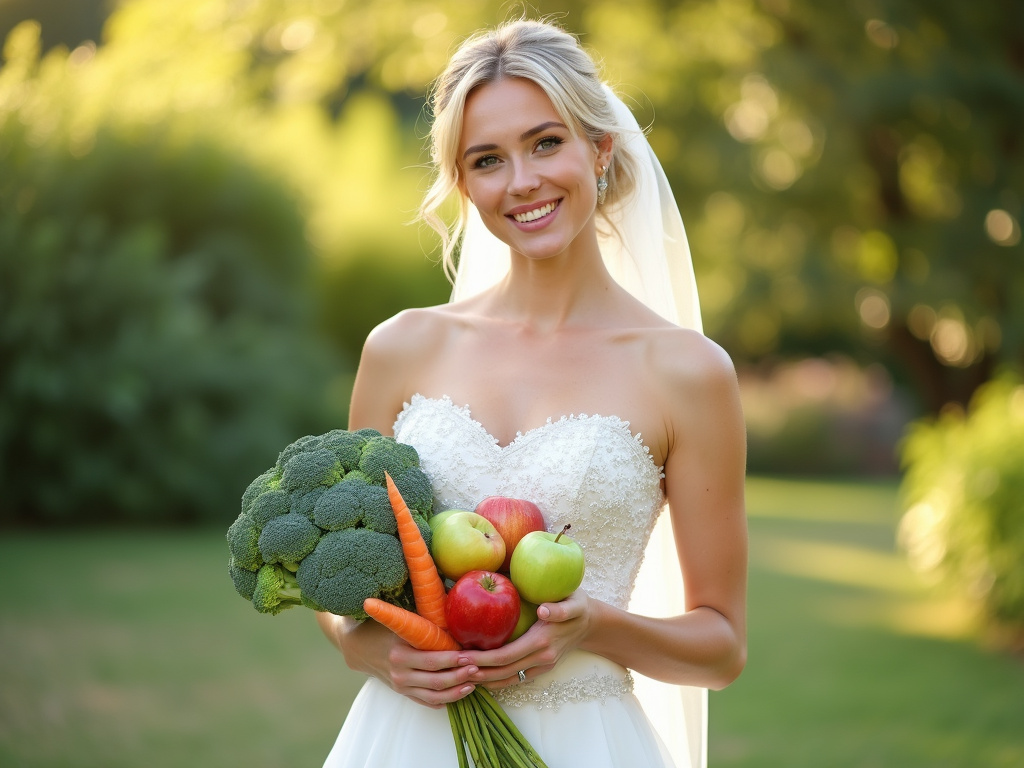
The Complete Guide to Pre-Bridal Weight Loss: Healthy Strategies for Your Best Wedding Day Self
Your wedding day is approaching, and naturally, you want to look and feel your absolute best as you walk down the aisle. For many brides-to-be, getting in shape before the big day is a top priority. But with countless pre-wedding tasks on your plate, navigating through the maze of diet plans and exercise routines can feel overwhelming. This comprehensive guide to pre-bridal weight loss provides evidence-based strategies for achieving your desired wedding body in a healthy, sustainable way. We’ll cover everything from setting realistic goals and creating personalized nutrition plans to effective workout routines and stress management techniques. Our approach focuses not just on losing weight, but on overall wellness that will have you glowing from the inside out on your special day.
Setting Realistic Pre-Wedding Weight Loss Goals
The journey to your ideal wedding body begins with setting goals that are both ambitious and attainable. Many brides make the mistake of setting unrealistic targets, leading to disappointment and potentially harmful crash diets. According to health experts, healthy and sustainable weight loss occurs at a rate of 1-2 pounds per week.
Start by calculating how many weeks you have before your wedding day. If your big day is six months away, you realistically could lose 24-48 pounds safely. Remember that your wedding dress fittings will typically begin 2-3 months before the ceremony, so major weight changes should occur before this timeframe.
When establishing your goals, consider your body type and genetic predispositions. Not everyone can achieve the same results in the same timeframe. Focus on how you feel rather than fixating solely on a number on the scale. Measurements, how your clothes fit, and your overall energy levels can be better indicators of progress.
Create a timeline with smaller milestone goals to keep yourself motivated throughout the process. Celebrate these achievements with non-food rewards like a spa treatment or new workout gear. Having concrete, measurable objectives helps maintain focus during the hectic wedding planning process.
Nutrition Fundamentals: Crafting Your Bridal Diet Plan
A successful pre-wedding weight loss plan hinges primarily on proper nutrition. Rather than drastically cutting calories, which can lead to energy depletion and nutrient deficiencies, focus on creating a balanced eating plan that supports your goals while keeping you energized for wedding planning.
Begin with a moderate calorie deficit of 500-750 calories below your maintenance level. This approach supports the healthy weight loss rate of 1-2 pounds weekly. Avoid diets that recommend fewer than 1,200 calories daily, as these rarely provide adequate nutrition and can slow your metabolism.
Prioritize protein in your meals to preserve muscle mass during weight loss. Aim for 0.8-1 gram of protein per pound of body weight daily. Excellent sources include lean meats, fish, eggs, legumes, and Greek yogurt. Protein also helps control hunger between meals.
Complex carbohydrates provide sustained energy and should make up about 40-45% of your daily intake. Choose whole grains, fruits, and vegetables over refined options. These foods contain fiber that promotes fullness and supports digestive health – essential for avoiding bloating as your wedding approaches.
Healthy fats are crucial for hormone balance and skin health. Include sources like avocados, nuts, seeds, and olive oil in moderate portions. These foods contribute to the radiant glow every bride desires. Limit processed foods, excess sodium, and alcohol, which can cause water retention and bloating.
Sample Pre-Bridal Meal Plan for Weight Loss
Here’s a sample day from a well-balanced pre-wedding diet plan that promotes weight loss while providing essential nutrients:
- Breakfast: Veggie omelet with 2-3 eggs, spinach, peppers, and a sprinkle of feta cheese; one slice of whole-grain toast
- Mid-morning snack: Greek yogurt with berries and a tablespoon of chia seeds
- Lunch: Grilled chicken salad with mixed greens, colorful vegetables, quinoa, and olive oil vinaigrette
- Afternoon snack: Apple slices with 1-2 tablespoons of almond butter
- Dinner: Baked salmon, roasted Brussels sprouts, and sweet potato
- Evening (optional): Herbal tea and a small square of dark chocolate
Remember to hydrate properly by consuming at least 8-10 glasses of water daily. Proper hydration supports metabolism, reduces water retention, and contributes to clearer skin. Green tea can be an excellent addition, providing antioxidants and a slight metabolic boost.
Wedding-Ready Workout Strategies: Exercise for Bridal Body Transformation
While nutrition forms the foundation of your pre-wedding weight loss plan, strategically designed exercise routines accelerate results and sculpt your physique. The ideal pre-bridal workout regimen combines strength training, cardiovascular exercise, and flexibility work.
Strength training is essential for creating the toned look many brides desire. Contrary to common fears, lifting weights won’t make you bulky but instead creates definition and raises your resting metabolic rate. Aim for 2-3 full-body strength sessions weekly, targeting major muscle groups.
Wedding dresses often highlight specific areas such as arms, back, and core. Include exercises that target these showcase zones:
- For defined arms: Push-ups, tricep dips, bicep curls, overhead presses
- For a beautiful back: Rows, lat pulldowns, reverse flies
- For core definition: Planks, Russian twists, bicycle crunches
Cardiovascular exercise burns calories and improves cardiovascular health. Include 3-4 sessions of 30-45 minutes weekly, varying between steady-state cardio and high-intensity interval training (HIIT). HIIT workouts are particularly effective, continuing to burn calories hours after exercise through the “afterburn effect.”
Don’t neglect flexibility work and recovery. Yoga or Pilates classes improve posture and body awareness—crucial for looking graceful in your wedding dress and photos. These modalities also help manage pre-wedding stress, which can otherwise hinder weight loss efforts.
Consider working with a personal trainer for at least a few sessions to design a program tailored to your goals and timeline. Many gyms offer bridal packages specifically designed for wedding preparation. If budget is a concern, online fitness programs targeting brides can be cost-effective alternatives.
Radiant Skin and Hair: Nutrition for Bridal Beauty
Pre-wedding weight loss should enhance your overall appearance, including your skin and hair. Certain nutrients play crucial roles in achieving the bridal glow you’re aiming for. Incorporate these beauty-boosting foods into your diet plan.
Antioxidant-rich foods combat free radical damage and promote skin radiance. Berries, pomegranates, tomatoes, and colorful vegetables should feature prominently in your pre-wedding meals. These foods contain vitamins A, C, and E, which support skin repair and collagen production.
Omega-3 fatty acids found in fatty fish, walnuts, and flaxseeds help maintain skin elasticity and hydration. Aim to include these foods 2-3 times weekly in your diet. They also help reduce inflammation that can cause skin redness or breakouts.
Collagen-supporting nutrients become increasingly important as your wedding approaches. Vitamin C from citrus fruits, bell peppers, and broccoli works synergistically with protein to boost natural collagen production. This improves skin firmness and can reduce the appearance of fine lines.
Hydration significantly impacts skin appearance. Beyond water, hydrating foods like cucumber, watermelon, and celery provide additional benefits. Consider supplementing with collagen peptides or hyaluronic acid after consulting with a healthcare provider for an extra beauty boost.
Don’t forget about hair health. Biotin-rich foods like eggs, nuts, and avocados strengthen hair and promote growth. Zinc from oysters, pumpkin seeds, and lean meats helps prevent hair loss and maintains scalp health—essential for picture-perfect wedding day hair.
Timeline Strategy: Month-by-Month Pre-Wedding Weight Loss Plan
Successful pre-bridal weight loss requires a strategic timeline that intensifies as your wedding date approaches while allowing adequate time for dress fittings. Here’s a comprehensive month-by-month approach.
6-12 Months Before: Foundation Phase
This initial period focuses on establishing sustainable habits and beginning gradual weight loss. Start by consulting healthcare professionals to set appropriate goals based on your current health status. Implement basic dietary changes like reducing processed foods, sugary beverages, and alcohol.
Begin a consistent exercise routine, aiming for 3-4 weekly sessions combining cardio and basic strength training. Track your food intake using a journal or app to increase awareness of eating patterns. This phase should produce steady results of 1-2 pounds lost weekly without extreme measures.
3-6 Months Before: Acceleration Phase
With your foundation established, you can now refine your approach for enhanced results. Your nutrition plan should become more structured, with meal prep becoming a weekly ritual. Incorporate more targeted strength training to address specific areas that will be showcased in your dress style.
Schedule regular progress assessments including measurements and photos beyond just scale weight. Consider working with professionals like trainers or nutritionists to overcome plateaus. This period may include strategic “cutting” phases with slightly higher calorie deficits, alternated with maintenance weeks.
1-3 Months Before: Refinement Phase
Your focus now shifts to final toning and preventing dress fitting issues. Major weight loss should be complete to ensure proper dress alterations. Nutrition emphasizes anti-inflammatory foods that reduce bloating and enhance skin appearance. Your exercise routine should maintain muscle while incorporating more posture-improving exercises.
Pay special attention to areas that will be visible in your dress style. Address stress management more intensively as wedding planning reaches its peak. Schedule your final dress fitting approximately 2-3 weeks before the wedding to allow for minor adjustments.
1-2 Weeks Before: Final Preparation
This isn’t the time for drastic measures or new regimens. Maintain consistent meals with adequate hydration while avoiding new foods that might cause digestive issues. Reduce high-sodium foods that could cause water retention or bloating. Continue regular exercise but decrease intensity to prevent muscle soreness on your wedding day.
Focus on quality sleep which affects both appearance and stress levels. Consider gentle lymphatic drainage massages to reduce puffiness. By following this strategic timeline, you’ll achieve your goals while avoiding last-minute crash diets that could affect your well-being on your special day.
Mindful Eating Practices for Brides-to-Be
The stress of wedding planning often disrupts normal eating patterns, leading to emotional eating, skipped meals, or mindless consumption. Implementing mindful eating practices supports your weight loss goals while developing a healthier relationship with food that benefits you long after the wedding.
Begin by practicing present-moment awareness during meals. Remove distractions like phones and televisions, and focus entirely on the eating experience. This simple practice helps you recognize hunger and fullness cues that might otherwise be ignored during busy planning periods.
Implement the hunger scale technique, rating your hunger from 1 (starving) to 10 (uncomfortably full). Aim to begin eating at 3 and stop at 7. This prevents both the extreme hunger that leads to overeating and the uncomfortable fullness that can affect your energy levels during wedding planning activities.
Address emotional eating directly by creating a wedding planning stress toolkit that doesn’t revolve around food. Include activities like brief meditation sessions, short walks, or calling a supportive friend. When you find yourself reaching for food without physical hunger, consult this toolkit first.
Develop conscious eating rituals that slow down your pace. These might include setting a proper place, chewing thoroughly, or putting your utensils down between bites. Slower eating allows your body’s satiety signals to register, typically reducing overall consumption.
Practice gratitude for your food and body throughout this process. Rather than viewing your pre-wedding diet as restriction or punishment, approach it as nourishing your body for the exciting chapter ahead. This positive mindset proves more sustainable than approaches based on negative self-talk or deprivation.
Managing Stress: The Hidden Factor in Pre-Wedding Weight Management
Wedding planning inevitably brings stress, which can directly impact your weight loss efforts. Chronic stress triggers cortisol release, which increases appetite, particularly for comfort foods high in sugar and fat. Additionally, stress often disrupts sleep patterns, further hindering weight management.
Incorporate stress-reduction techniques into your daily routine as conscientiously as you follow your nutrition plan. Even brief meditation sessions of 5-10 minutes can significantly lower cortisol levels. Apps like Headspace and Calm offer wedding-specific meditation programs designed for brides.
Regular physical activity naturally reduces stress hormones while releasing endorphins. Consider activities like yoga, walking in nature, or dance classes that you genuinely enjoy rather than viewing exercise solely as calorie-burning. The stress-reduction benefits often outweigh the caloric impact.
Establish clear boundaries during your wedding planning process. This might mean designating specific wedding-free days or times when planning discussions are off-limits. Delegate responsibilities to trusted family members, friends, or professional planners to lighten your mental load.
Prioritize sleep quality, aiming for 7-8 hours nightly. Poor sleep directly affects hunger hormones, increasing ghrelin (hunger hormone) and decreasing leptin (satiety hormone). Create a consistent sleep routine, limit screen time before bed, and consider sleep-promoting supplements like magnesium if needed.
Build a support network specifically for your pre-wedding wellness journey. Whether it’s other brides in similar situations, a dedicated friend, or online communities, having people who understand your goals provides accountability and emotional relief during challenging moments.
Navigating Social Challenges: Staying on Track During Pre-Wedding Celebrations
The months leading to your wedding typically involve numerous social gatherings, from engagement parties to showers and tastings. These events present challenges to your pre-wedding weight loss plan but don’t need to derail your progress entirely.
Before attending events, implement the “pre-game” strategy—eating a small protein-rich snack to moderate your appetite. Having a satiety baseline helps you make more mindful food choices at functions where healthy options may be limited. Also, reviewing menus in advance when possible allows you to plan your selections strategically.
At restaurant gatherings, don’t hesitate to make special requests. Most establishments willingly accommodate modifications like preparation method changes or substitutions. Simple adjustments like “sauce on the side” or “grilled instead of fried” can significantly reduce the caloric impact without sacrificing socialization.
For events centered around alcohol, develop a strategic approach. Clear spirits with zero-calorie mixers typically have fewer calories than cocktails or wine. Alternate alcoholic beverages with sparkling water to reduce overall consumption while staying hydrated. Remember that alcohol not only adds empty calories but also reduces inhibitions around food choices.
When family members or friends pressure you to indulge, prepare gentle responses that acknowledge their intentions while maintaining your boundaries. Phrases like “I’m saving room for something special later” or “I’ve already had some and it was delicious” can defuse potential tension.
After any indulgence, avoid the “all-or-nothing” mentality that leads many brides to abandon their plans entirely. Instead, practice the “next meal reset”—simply returning to your regular nutrition plan at the next eating opportunity without punishment or compensation behaviors.
Sustainable Habits: Beyond the Wedding Day
While your wedding provides powerful motivation for adopting healthier habits, the most successful bridal weight loss stories continue well beyond the ceremony. Approaching your pre-wedding plan as the beginning of lifetime habits rather than a temporary diet dramatically increases long-term success.
Identify which aspects of your pre-wedding routine genuinely enhance your daily life and well-being. Perhaps meal planning reduces weekday stress, or regular strength training improves your energy levels and confidence. Focus on maintaining these specific elements after your honeymoon.
Prepare for the motivation shift that naturally occurs after the wedding. Set new, non-appearance-related goals that your healthy habits support, such as athletic achievements, stress management, or simply feeling your best day-to-day. These purpose-driven objectives provide ongoing motivation.
Develop maintenance strategies that allow greater flexibility while preserving your results. This might include the 80/20 approach—following your nutrition principles 80% of the time while enjoying more freedom for the remaining 20%. Regular monitoring helps prevent significant weight regain before it starts.
Consider how your new habits might integrate into married life. Cooking nutritious meals together, sharing active hobbies, or creating health-supporting routines as a couple strengthens both your relationship and your commitment to continued wellness. Research shows that partners significantly influence each other’s health behaviors.
Remember that body composition naturally fluctuates throughout life. Developing a balanced, compassionate approach to these changes proves more valuable long-term than maintaining a specific wedding weight indefinitely. The confidence and self-care practices you develop during pre-wedding preparation become your true lasting benefits.
Conclusion: Your Balanced Approach to Pre-Bridal Weight Loss
Your wedding day deserves a healthy, confident you—achieved through sustainable methods that enhance rather than detract from this special time. By implementing realistic goals, balanced nutrition, effective exercise, and stress management, you create not just a wedding-ready body but wellness habits that serve you throughout married life. Remember that your worth extends far beyond any number on a scale. The most radiant brides are those who feel genuinely healthy and happy as they walk down the aisle. Here’s to your wedding day and the beautiful life that follows!
Frequently Asked Questions About Pre-Bridal Weight Loss
How soon before my wedding should I start a weight loss plan?
Ideally, begin your pre-bridal weight loss journey 6-12 months before your wedding. This timeline allows for healthy, sustainable weight loss at the recommended rate of 1-2 pounds per week. Starting early also gives you buffer time for plateaus and ensures any significant changes occur well before your final dress fittings, which typically happen 2-3 months before the wedding.
What’s the healthiest way to lose weight before my wedding?
The healthiest approach combines moderate calorie reduction (500-750 calories below maintenance), balanced nutrition with adequate protein, regular exercise including both strength training and cardio, proper hydration, stress management, and sufficient sleep. Avoid crash diets under 1,200 calories, extreme exercise regimens, or supplements promising quick results, as these can compromise your health, energy, and appearance before your big day.
How can I avoid stress eating during wedding planning?
Create a wedding stress toolkit with non-food coping mechanisms such as brief meditation, physical activity, journaling, or calling a supportive friend. Practice identifying your emotional triggers and pausing before responding with food. Maintain regular meal times to prevent extreme hunger, which often leads to poor choices. Consider delegating some wedding planning tasks to reduce your overall stress load, and remember that self-care activities are not selfish but necessary during this demanding time.
What foods should I avoid to prevent bloating before my wedding?
In the weeks before your wedding, minimize foods known to cause bloating including high-sodium processed foods, carbonated beverages, sugar alcohols (found in sugar-free products), certain raw vegetables like broccoli and cabbage, beans and lentils, dairy (if you’re sensitive), and excessive fiber from supplements. Also reduce alcohol consumption and increase water intake to help flush excess sodium. If you’re trying any new foods or supplements for skin or hair benefits, introduce them well before your wedding to ensure they don’t cause digestive issues.
How do I handle wedding cake tastings and still lose weight?
Schedule cake tastings after a protein-rich meal so you’re not sampling on an empty stomach. Ask if you can bring a trusted friend or family member to share the samples, reducing your portion sizes. Take small bites to fully experience the flavors without consuming large amounts. Consider these tastings planned indulgences in your overall nutrition strategy, slightly reducing calories earlier in the day or incorporating extra movement. Remember that single events don’t derail overall progress—it’s your consistent habits that determine results.
What exercises are best for toning arms and back for a strapless wedding dress?
Focus on compound upper body movements like push-ups, rows, lat pulldowns, and overhead presses 2-3 times weekly. Add targeted exercises including tricep dips, bicep curls, reverse flies, and lateral raises. For optimal toning, use weights heavy enough that the last few repetitions of each set feel challenging. Complement strength training with posture-improving exercises like face pulls and band pull-aparts. Remember that visible toning requires both muscle development through strength training and fat reduction through overall weight management strategies.
How can I improve my skin through diet before my wedding?
Prioritize antioxidant-rich foods including berries, pomegranates, tomatoes, and colorful vegetables that combat inflammation and oxidative damage. Consume omega-3 fatty acids from sources like salmon, walnuts, and flaxseeds to support skin elasticity and hydration. Ensure adequate protein intake for collagen production and tissue repair. Include vitamin C from citrus fruits and bell peppers to brighten skin tone and support collagen synthesis. Stay well-hydrated with water and hydrating foods like cucumber and watermelon. Minimize sugar, processed foods, and excessive alcohol, which can trigger inflammation and breakouts.
What should I do if I reach a weight loss plateau before my wedding?
First, reassess your calorie needs, as your requirements decrease as you lose weight. Track your food intake meticulously for a week to identify any unconscious calorie creep. Consider introducing exercise variety through new activities or changing intensity levels. Implement diet cycling by alternating lower calorie days with maintenance days to prevent metabolic adaptation. Evaluate stress and sleep quality, as both significantly impact weight loss hormones. If appropriate, consult a professional like a registered dietitian who specializes in pre-wedding nutrition for personalized troubleshooting strategies.
How do I maintain my weight loss results after the wedding?
Transition to a sustainable maintenance plan by gradually increasing calories while monitoring your weight. Identify which pre-wedding habits genuinely enhanced your wellbeing and prioritize continuing those. Set new health-focused goals unrelated to appearance to maintain motivation. Implement regular monitoring through weigh-ins or clothing fit checks, addressing small regains before they accumulate. Develop strategies for challenging situations like holidays or travel. Consider how you and your spouse can support each other’s health goals, perhaps by cooking nutritious meals together or sharing active hobbies that strengthen both your relationship and health.
References:
