
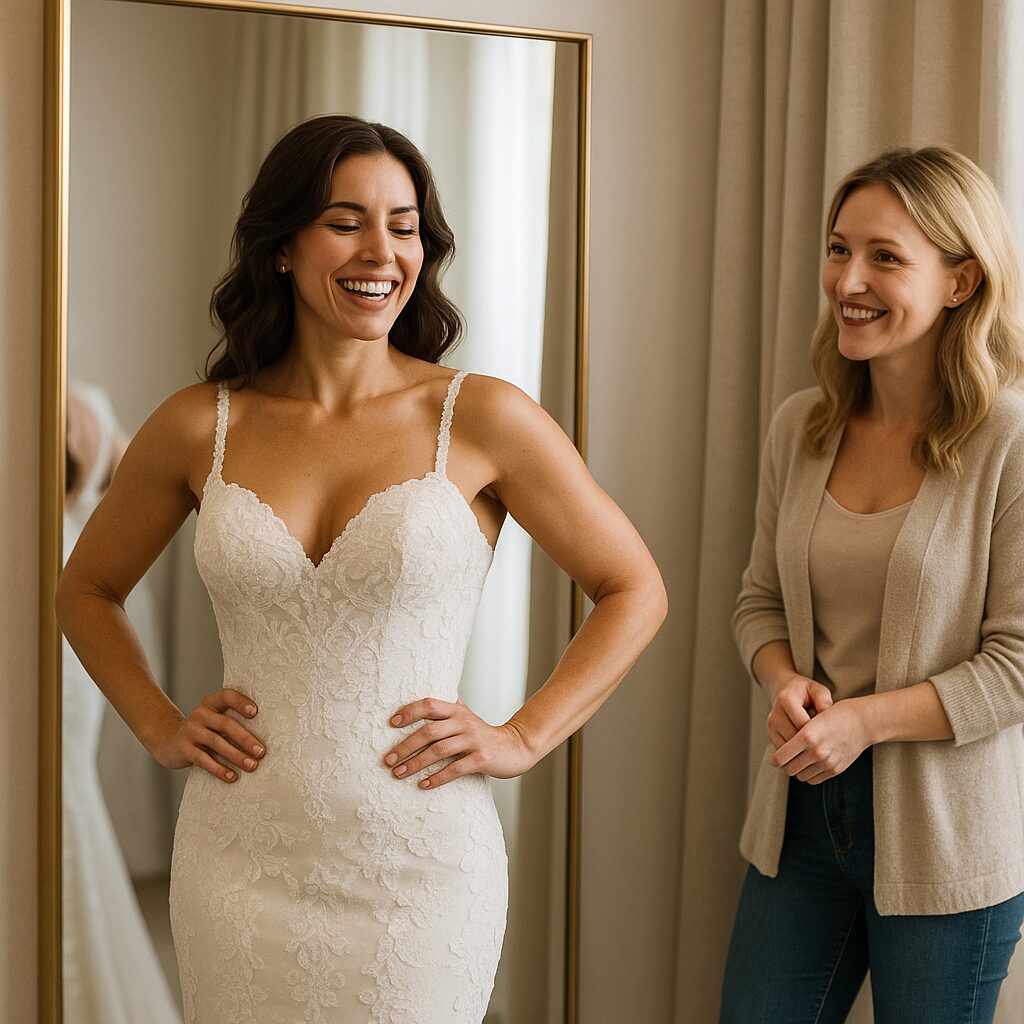
Quick Wedding Diet: The Ultimate Guide to Looking Your Best on Your Big Day
Your wedding day is approaching, and you want to look and feel your absolute best as you walk down the aisle. With countless photographs, videos, and memories being created on this special occasion, it’s natural to consider a quick wedding diet to help you achieve your desired appearance. However, navigating pre-wedding weight loss can be challenging amidst the stress of planning the perfect celebration. Many brides and grooms feel pressure to shed pounds before their big day, but doing so healthily and sustainably is crucial. This comprehensive guide will walk you through effective, safe, and realistic approaches to a quick wedding diet that won’t leave you feeling deprived or overwhelmed. We’ll explore practical tips, meal plans, exercise recommendations, and mindset strategies to help you look radiant on your wedding day while maintaining your health and sanity.
Understanding the Wedding Diet Mindset: Setting Realistic Expectations
Before diving into any quick wedding diet plan, it’s essential to establish the right mindset and set realistic expectations. The pressure to lose weight before a wedding often stems from societal expectations rather than personal desires. In fact, research shows that many pre-wedding diets measure less than 800 calories per day, which can lead to unhealthy eating habits, heightened risk of infection, and even permanent organ damage.
Instead of focusing solely on weight loss, consider what would help you feel your best on your wedding day. This might include having more energy, clearer skin, better sleep, or a stronger body. Remember that your partner is marrying you for who you are right now—not a thinner version of yourself.
When setting weight loss goals, aim for realistic targets based on your timeline:
- 12+ months: A healthy weight loss of 10-20% of your current weight might be achievable
- 6 months: A 5-10% reduction is more realistic
- 3 months: Focus on modest weight loss (3-5%) and body composition changes
- 1 month: Emphasize healthy habits, water retention management, and confidence building
The most sustainable approach combines nutritious eating, regular physical activity, adequate sleep, and stress management. These habits not only support weight management but also contribute to glowing skin, improved mood, and increased energy—all beneficial for your wedding day and beyond.
Timeline Strategy: Tailoring Your Quick Wedding Diet to Your Countdown
The approach to your wedding diet should vary depending on how much time you have before the big day. Each timeline requires a different strategy to ensure you’re making healthy, sustainable changes.
12-Month Wedding Diet Plan: The Gradual Transformation
With a full year ahead, you have the luxury of taking a slow and steady approach. This timeframe allows for meaningful habit changes that can lead to lasting results.
Month 1-3: Focus on establishing healthy eating patterns by increasing vegetable and protein intake while reducing processed foods and sugary beverages. Begin with 2-3 weekly workout sessions combining cardio and light strength training.
Month 4-6: Refine your nutrition by practicing portion control and meal planning. Increase workout frequency to 3-4 sessions per week, adding more resistance training to build lean muscle.
Month 7-9: Experiment with different healthy recipes that could become staples in your post-wedding life. Intensify your workouts and consider adding activities you enjoy like dancing, hiking, or swimming.
Month 10-12: Maintain your healthy habits while focusing on stress management techniques as wedding planning intensifies. Schedule final dress fittings and avoid drastic changes that might affect how your dress fits.
6-Month Wedding Diet Plan: The Balanced Approach
With six months to go, you’ll need to be more focused but can still make significant progress without extreme measures.
Start by conducting a thorough assessment of your current eating habits. Keep a food journal for a week to identify areas for improvement. Replace processed snacks with nutrient-dense alternatives like fruits, vegetables, and lean proteins. Implement a sustainable exercise routine that includes both cardio and strength training 3-4 times per week.
Consider consulting with a registered dietitian who specializes in wedding preparation to create a personalized plan. They can help ensure you’re meeting nutritional needs while working toward your goals. By month 4, you should be settled into a routine that feels sustainable, making only minor adjustments in the final two months.
3-Month Wedding Diet Plan: The Focused Strategy
With three months remaining, you’ll need a more structured approach, though extreme dieting should still be avoided.
Prioritize high-quality, nutrient-dense foods that provide sustained energy and support metabolism. Create a meal schedule that prevents extreme hunger and subsequent overeating. Establish a consistent exercise routine of 4-5 sessions weekly, incorporating high-intensity interval training (HIIT) for maximum efficiency.
Hydration becomes increasingly important at this stage—aim for at least 3 liters of water daily to support metabolism and skin health. Begin practicing stress-reduction techniques like meditation or yoga to prevent stress-related eating and cortisol spikes that can hinder weight loss efforts.
4-Week Wedding Diet Plan: The Fine-Tuning Phase
With just a month to go, focus on fine-tuning rather than dramatic changes.
Avoid introducing new, extreme diets that could cause digestive issues or energy fluctuations. Instead, emphasize anti-inflammatory foods that can reduce bloating and improve skin appearance. These include leafy greens, fatty fish, berries, and turmeric-infused dishes.
Monitor sodium intake, as excess salt can cause water retention and bloating. Continue regular exercise but avoid introducing extremely challenging new routines that might lead to injury or excessive soreness. In the final week, focus on consistency and avoid any foods that you know cause personal digestive discomfort.
Nutrition Fundamentals: The Core of Your Quick Wedding Diet
The foundation of any effective wedding diet is balanced nutrition that provides adequate energy while supporting your goals. Rather than focusing on restriction, emphasize including nutrient-dense foods that nourish your body and support your natural beauty.
Macronutrient Balance: Building Your Wedding Diet Plate
Protein should become your best friend during wedding preparation. Aim for 25-30% of your calories from quality sources like lean meats, fish, eggs, dairy, legumes, and plant-based options. Protein supports muscle maintenance during weight loss, promotes satiety, and helps maintain stable blood sugar levels.
Carbohydrates shouldn’t be feared but chosen wisely. Focus on complex carbohydrates that provide sustained energy and fiber, such as:
- Whole grains (quinoa, brown rice, oats)
- Starchy vegetables (sweet potatoes, butternut squash)
- Fruits (especially berries and apples)
- Legumes (beans, lentils, chickpeas)
Healthy fats are essential for hormone balance, skin health, and satiety. Include sources like avocados, olive oil, nuts, seeds, and fatty fish. These fats can help give your skin a natural glow and keep hunger at bay.
Hydration: The Overlooked Element of Wedding Weight Loss
Water is perhaps the most underappreciated component of an effective wedding diet plan. Proper hydration supports metabolism, helps distinguish thirst from hunger, and gives skin a plump, youthful appearance.
Aim to consume at least half your body weight (in pounds) in ounces of water daily. For example, if you weigh 150 pounds, target 75 ounces minimum. Enhance plain water with natural additions like cucumber slices, citrus wedges, or mint leaves.
Reduce or eliminate liquid calories from alcoholic beverages, sugary drinks, and excessive fruit juices. If you do consume alcohol during your wedding prep period, opt for clearer spirits with calorie-free mixers and limit to 1-2 drinks, 1-2 times per week.
Meal Timing and Frequency: Structuring Your Wedding Diet Day
How and when you eat can be almost as important as what you eat. Many brides-to-be find success with structured eating patterns that prevent extreme hunger and energy dips. Consider these approaches:
Three balanced meals with 1-2 planned snacks: This traditional approach works well for those with regular schedules. Ensure each meal contains protein, complex carbs, healthy fats, and vegetables.
Intermittent fasting: Some find benefits in condensing eating into an 8-10 hour window (such as 10am-6pm or 11am-7pm). This can reduce nighttime snacking and improve metabolic health but should only be practiced if it feels natural and sustainable.
Meal prepping: Preparing food in advance reduces the likelihood of making impulsive food choices when hungry or pressed for time. Dedicate a few hours each weekend to prepare lunches and ingredient components for the week ahead.
Regardless of your approach, avoid skipping meals to “save calories” for later, as this often backfires with overeating and poor food choices when hunger becomes overwhelming.
The Ultimate 7-Day Quick Wedding Diet Meal Plan
Here’s a balanced 7-day meal plan that provides approximately 1,500-1,600 calories daily—suitable for most brides looking for moderate weight loss while maintaining energy and nutrition. Adjust portions based on your specific needs and activity level.
Day 1: Metabolism Kickstart
Breakfast: Spinach and feta omelet (2 eggs + 1 egg white) with 1/4 avocado and sliced tomatoes
Snack: Small apple with 1 tablespoon almond butter
Lunch: Mediterranean bowl with 3oz grilled chicken, 1/2 cup quinoa, cucumber, cherry tomatoes, olives, and 2 tablespoons tzatziki
Snack: Greek yogurt (6oz) with 1 teaspoon honey and cinnamon
Dinner: Baked salmon (4oz) with roasted brussels sprouts and 1/2 sweet potato
Day 2: Anti-Inflammatory Focus
Breakfast: Berry smoothie with 1 cup unsweetened almond milk, 1 scoop protein powder, 1 cup mixed berries, 1 tablespoon flaxseed, and handful of spinach
Snack: 1/4 cup hummus with carrot and cucumber sticks
Lunch: Large salad with 3oz tuna, mixed greens, cherry tomatoes, 1/4 avocado, and lemon-olive oil dressing
Snack: 1/4 cup pumpkin seeds
Dinner: Stir-fry with 4oz tofu or tempeh, broccoli, bell peppers, snow peas, and 1/2 cup brown rice
Day 3: Digestion Support
Breakfast: Overnight oats made with 1/2 cup oats, 3/4 cup unsweetened almond milk, 1 tablespoon chia seeds, cinnamon, and 1/2 sliced banana
Snack: Green smoothie with cucumber, celery, spinach, ginger, lemon juice, and 1 scoop protein powder
Lunch: Turkey roll-ups: 3oz sliced turkey breast wrapped around avocado slices with leafy greens and mustard, side of roasted sweet potato (1/2 cup)
Snack: 1 string cheese and 6 almonds
Dinner: Zucchini noodles with 3oz ground turkey, tomato sauce, mushrooms, and 1 tablespoon grated parmesan
Day 4: Energy Optimization
Breakfast: Egg muffins (2) with bell peppers, spinach and turkey bacon, side of berries (1/2 cup)
Snack: 1 rice cake topped with 1 tablespoon almond butter and cinnamon
Lunch: Mason jar salad with 3oz shredded chicken, quinoa (1/3 cup), chickpeas (1/4 cup), mixed vegetables, and balsamic vinaigrette
Snack: Small banana with 1 tablespoon peanut butter
Dinner: Grilled flank steak (4oz), roasted asparagus, and 1/2 cup cauliflower mash
Day 5: Lean Protein Day
Breakfast: Protein pancakes: Mix 1 scoop protein powder, 1 mashed banana, 2 eggs, cinnamon; top with 1/4 cup berries
Snack: 1 hard-boiled egg and cucumber slices
Lunch: Chicken and vegetable soup with 3oz shredded chicken, mixed vegetables, herbs, and bone broth
Snack: 1 apple and 10 almonds
Dinner: Baked cod (4oz) with lemon-dill sauce, 1 cup roasted vegetables, and 1/3 cup wild rice
Day 6: Hydration Focus
Breakfast: Green smoothie bowl: blend 1 cup spinach, 1/2 frozen banana, 1/2 cup berries, 1 scoop protein powder, 1 cup almond milk; top with 1 tablespoon each of coconut flakes and chia seeds
Snack: Watermelon chunks (1 cup) and 10 pistachios
Lunch: Lettuce wraps with 3oz ground turkey, water chestnuts, carrots, and coconut aminos sauce
Snack: Cucumber rounds topped with 1/4 cup cottage cheese and fresh dill
Dinner: Grilled shrimp skewers (4oz) with bell peppers, zucchini, and 1/2 cup quinoa
Day 7: Mindful Balance
Breakfast: Yogurt parfait with 6oz Greek yogurt, 1/3 cup low-sugar granola, and mixed berries (1/2 cup)
Snack: 1 pear and 1 light string cheese
Lunch: Lentil salad with 1/2 cup cooked lentils, diced vegetables, feta cheese (1oz), and lemon-olive oil dressing
Snack: Celery sticks with 1 tablespoon almond butter
Dinner: 4oz roasted chicken breast, 1 cup roasted vegetables, and 1/2 cup sweet potato
Remember to drink at least 2-3 liters of water throughout each day, and adjust this meal plan to accommodate any food allergies, intolerances, or dietary preferences you may have.
Effective Exercise Strategies for the Time-Crunched Bride
Physical activity is a vital component of any wedding preparation plan, offering benefits beyond weight management including stress reduction, improved sleep, and increased energy. The key is finding a sustainable routine that fits into your busy pre-wedding schedule.
Efficient Workouts for Maximum Results
When time is limited, focus on exercises that deliver the most bang for your buck. High-intensity interval training (HIIT) can be particularly effective, allowing you to burn significant calories in just 20-30 minutes. A sample HIIT workout might include:
- 30 seconds of jump squats
- 30 seconds of push-ups (modified if needed)
- 30 seconds of mountain climbers
- 30 seconds of burpees
- 30 seconds of rest
Repeat this circuit 4-6 times for a complete workout. HIIT sessions 2-3 times per week, combined with 1-2 strength training sessions and 1-2 days of low-intensity activity like walking or yoga, create a balanced fitness routine.
Strength Training for the Wedding Dress Silhouette
Many wedding dresses highlight specific areas of the body, and targeted strength training can help enhance your natural shape. Consider focusing on:
For strapless or sleeveless dresses: Incorporate exercises like push-ups, tricep dips, shoulder presses, and lateral raises to tone arms, shoulders, and upper back.
For form-fitting dresses: Add squats, lunges, deadlifts, and hip thrusts to sculpt the lower body while core exercises like planks and Russian twists can help define the waistline.
For backless dresses: Include rows, lat pulldowns, and backward fly movements to improve posture and create a toned back appearance.
Remember that muscle is metabolically active tissue, meaning that building lean muscle through strength training can help increase your basal metabolic rate, supporting weight management even when you’re not exercising.
Low-Stress Movement for Wedding Wellness
Wedding planning can be incredibly stressful, and some forms of exercise can serve double-duty as stress management techniques. Consider incorporating:
Yoga: Helps improve flexibility, posture, and mindfulness while reducing stress hormones like cortisol. Try to practice at least twice weekly, focusing on both strength-building and restorative sessions.
Walking: A daily 30-minute walk can improve cardiovascular health, burn calories, and provide mental space to process wedding decisions. Make walking meetings a regular part of your planning routine.
Dance: Not only will dance-based workouts like Zumba or barre help prepare you for your first dance, but they’re also joyful forms of movement that reminds you what your wedding is truly about—celebration!
The best exercise routine is one you’ll actually maintain, so choose activities you genuinely enjoy rather than those you feel you “should” do. Research shows that consistency with moderate exercise yields better long-term results than sporadic intense workouts followed by complete inactivity.
Avoiding Pre-Wedding Diet Pitfalls: Common Mistakes and How to Prevent Them
In the quest for quick results, many brides fall into counterproductive patterns that can sabotage their wedding preparation efforts. Understanding these common pitfalls can help you maintain a healthier, more effective approach.
Extremely Low-Calorie Diets: The False Promise
One of the most dangerous wedding diet mistakes is adopting very low-calorie regimens (under 1,200 calories for women). While these may produce rapid initial weight loss, they carry significant downsides including:
Metabolic slowdown: Your body interprets severe calorie restriction as a sign of famine and conserves energy by reducing metabolic rate, making further weight loss increasingly difficult.
Muscle loss: Without adequate protein and calories, your body will break down muscle tissue for energy, resulting in a softer appearance even at a lower weight.
Nutritional deficiencies: Essential vitamins and minerals may be lacking in extremely restricted diets, potentially affecting hair, skin, nail quality, and immune function—the last thing you want before your wedding.
Instead, aim for a moderate calorie deficit of 300-500 calories below your maintenance needs, which allows for sustainable fat loss while preserving muscle and energy levels.
The Stress-Diet Cycle: Managing Wedding Planning Pressure
The stress of wedding planning often interferes with nutrition and exercise goals. High stress levels increase cortisol, which can promote fat storage, particularly around the midsection. Additionally, stress can trigger emotional eating or cause sleep disturbances that further complicate weight management.
Implement these strategies to break the stress-diet cycle:
- Schedule regular “planning-free” days where wedding discussions are off-limits
- Practice mindful eating by removing distractions during meals
- Prepare healthy snacks in advance for high-stress planning sessions
- Delegate tasks to reduce your personal burden
- Incorporate daily stress-reduction practices like deep breathing, meditation, or gentle stretching
Remember that prioritizing your mental wellbeing isn’t separate from your wedding preparation—it’s an essential component of looking and feeling your best.
Last-Minute Desperation Measures: Why They Backfire
As the wedding approaches, panic about appearance can lead to desperate measures like cleanses, detoxes, or complete elimination of food groups. These approaches typically result in:
Water weight fluctuations: Quick weight loss from severe restriction is primarily water, which returns immediately upon resuming normal eating.
Digestive distress: Dramatic diet changes close to the wedding can cause bloating, gas, or digestive upset on your big day.
Energy crashes: Extreme approaches can leave you exhausted, irritable, and unable to fully enjoy your celebration.
In the final weeks before your wedding, focus on consistency with your established healthy habits rather than introducing dramatic changes. If anything, this is the time to emphasize foods that reduce inflammation and bloating, ensuring you feel comfortable in your dress and have energy for your celebration.
Beauty From Within: Nutrition for Wedding-Ready Skin, Hair, and Nails
While weight management often dominates wedding preparation discussions, nutrition plays an equally important role in enhancing your natural beauty. The right dietary choices can improve skin radiance, strengthen hair, and promote nail growth—all contributing to your wedding day glow.
Skin-Loving Nutrients for Bridal Radiance
Beautiful skin begins with nutrition, and certain nutrients deserve special attention in the months before your wedding:
Omega-3 fatty acids: These essential fats help maintain skin’s moisture barrier and reduce inflammation, potentially decreasing acne and redness. Include fatty fish (salmon, mackerel, sardines) 2-3 times weekly, or plant sources like walnuts, chia seeds, and flaxseeds.
Vitamin C: Essential for collagen production, vitamin C helps maintain skin elasticity and brightness. Consume citrus fruits, bell peppers, strawberries, and broccoli daily.
Vitamin E: This antioxidant protects skin cells from damage and supports healing. Incorporate almonds, sunflower seeds, avocados, and olive oil regularly.
Zinc: Supports skin healing and oil regulation, potentially reducing breakouts. Sources include oysters, beef, pumpkin seeds, and lentils.
Additionally, maintain adequate hydration by consuming at least 3 liters of water daily, which helps keep skin plump and flushes toxins that might otherwise manifest as blemishes.
Hair and Nail Strengtheners for Wedding-Ready Appearance
Strong, healthy hair and nails frame your wedding look and appear prominently in close-up photographs. Focus on these nutrients:
Biotin: This B vitamin supports keratin production, the protein that forms the structure of hair and nails. Sources include eggs, almonds, sweet potatoes, and avocados.
Protein: As the building block of both hair and nails, adequate protein is essential. Aim for at least 20-30 grams per meal from sources like poultry, fish, eggs, dairy, legumes, or plant-based proteins.
Iron: Iron deficiency can cause brittle nails and hair loss. Include lean red meat, spinach, lentils, and fortified cereals, paired with vitamin C foods for better absorption.
Silica: This mineral helps strengthen hair and nails. Good sources include oats, bananas, green beans, and rice.
Consider starting a hair and nail-supportive supplement regimen 3-6 months before your wedding, as visible improvements take time to develop. Consult with your healthcare provider before beginning any supplements, especially as part of a pre-wedding regimen.
Anti-Inflammatory Foods to Reduce Pre-Wedding Bloating
In the week before your wedding, focusing on anti-inflammatory, low-bloat foods can help you feel comfortable and confident in your dress:
Reduce:
- High-sodium processed foods
- Carbonated beverages
- Sugar alcohols (found in many sugar-free products)
- Gas-producing foods like beans, cruciferous vegetables, and onions
- Alcohol and caffeine, which can contribute to dehydration
Increase:
- Potassium-rich foods like bananas, avocados, and sweet potatoes to balance sodium levels
- Natural diuretics like cucumber, watermelon, and asparagus
- Probiotics from yogurt, kefir, or fermented vegetables for digestive health
- Anti-inflammatory herbs and spices like turmeric, ginger, and cinnamon
- Lean proteins and cooked, non-cruciferous vegetables
Remember that beauty nutrition isn’t about quick fixes but consistent nourishment. Start incorporating these foods months before your wedding for the most visible results, and your skin, hair, and nails will thank you on your special day.
Maintaining Balance: Mental Wellbeing During Your Quick Wedding Diet
While physical preparation for your wedding is important, maintaining mental and emotional wellbeing is equally crucial. The pressure to achieve a certain appearance can sometimes overshadow the joy of wedding planning and lead to unhealthy relationships with food and body image.
Body Positivity and Wedding Preparation
Remember that your partner is choosing to marry you exactly as you are. While wanting to look your best is natural, radical transformation shouldn’t be the goal of your wedding preparation. Instead, focus on honoring your body through nourishing foods and enjoyable movement.
Practice positive self-talk by appreciating what your body can do rather than focusing exclusively on appearance. Consider keeping a gratitude journal where you note something you appreciate about your body each day—perhaps your strength during workouts, your ability to dance, or the way your smile lights up a room.
If you find yourself struggling with body image issues, consider working with a therapist who specializes in this area. As noted by weight loss dietitian Maria Lucey, “If there are deeper issues with body image or self-worth, weight loss won’t magically fix those—it’s worth exploring these feelings with a therapist or a trusted professional.”
Celebrating Non-Scale Victories
Weight is just one metric of health and appearance changes, and often not the most meaningful one. Throughout your wedding preparation journey, acknowledge and celebrate non-scale victories such as:
- Increased energy and endurance
- Improved sleep quality
- Clearer skin and stronger nails
- Clothes fitting differently, even if weight remains similar
- Better management of stress and emotions
- Consistent healthy habits that you can maintain long-term
- Greater confidence in your abilities
These achievements contribute significantly to how you’ll look and feel on your wedding day and deserve recognition independent of any number on the scale.
Creating Sustainable Habits Beyond the Wedding
The most successful wedding preparation approaches are those that establish habits you can continue after saying “I do.” Rather than viewing your pre-wedding diet as a temporary measure, use this motivation to develop a lifestyle that supports your health and wellbeing throughout your marriage.
Consider how the habits you’re establishing now might fit into your newlywed life. Perhaps cooking together could become a shared activity with your spouse, or morning workouts might become your personal time to decompress before busy days.
Remember that your wedding is one day, but your marriage will hopefully last a lifetime. The health habits you establish now can support not just your wedding photos but your quality of life together for years to come.
Life After “I Do”: Maintaining Your Wedding Diet Success
After months of dedicated preparation and the excitement of your wedding day, it’s common to experience a letdown period where motivation wanes. Many newlyweds find themselves reverting to previous habits once the pressure of wedding photos is behind them. With thoughtful planning, you can maintain your health momentum and carry your positive habits into married life.
Transitioning from Wedding Diet to Lifestyle
The key to maintaining your results is shifting your mindset from “wedding diet” to “lifelong wellness.” This transition involves:
Gradual calorie adjustment: If you’ve been in a calorie deficit, gradually increase your intake by adding 100-200 calories weekly until you reach maintenance level. This prevents the metabolic confusion and weight rebound that often occurs after restrictive diets.
Continued meal planning: The structure that helped you succeed pre-wedding can continue to serve you. Set aside time each week to plan meals, focusing on nourishing options that you and your spouse both enjoy.
Flexible approach: While maintaining healthy habits, introduce more flexibility for social events and special occasions. Learning to enjoy treats mindfully without abandoning your overall healthy pattern is a crucial life skill.
Remember that weight maintenance still requires attention but generally allows more dietary freedom than active weight loss phases.
Couple’s Wellness: Health as a Team Effort
Marriage offers a unique opportunity to approach health as a partnership. Research shows that spouses significantly influence each other’s health behaviors, for better or worse. Harness this dynamic by:
- Cooking nutritious meals together, making healthy eating a shared value
- Finding physical activities you both enjoy, from hiking to dance classes to home workouts
- Supporting each other through stressful periods without defaulting to food-based coping
- Setting mutual wellness goals that enhance your quality of life together
- Creating home environments that make healthy choices easier than unhealthy ones
Discuss your health values openly with your spouse, acknowledging that you may have different approaches or priorities. Finding common ground while respecting individual preferences builds a foundation for lasting wellness.
The Honeymoon and Beyond: Balancing Indulgence and Health
The honeymoon represents a transition period between wedding preparation and married life. While this special time often involves indulgences, you can enjoy your honeymoon without completely abandoning your health habits:
Focus on experiences rather than food: Make activities and connection the centerpiece of your honeymoon, with food as an enjoyable complement rather than the main attraction.
Practice the 80/20 principle: Aim to make nutritious choices 80% of the time while fully enjoying special treats or regional cuisines for the remaining 20%.
Stay active together: Choose a honeymoon that incorporates movement you both enjoy, whether that’s swimming, walking through new cities, or dancing the night away.
Return to routine: Plan a smooth transition back to your healthy habits upon returning home, perhaps by stocking your kitchen with nutritious options before you leave.
The skills and knowledge you’ve gained through your wedding preparation journey provide a valuable foundation for navigating health and wellness throughout your marriage. By focusing on sustainability rather than perfection, you can maintain your results while building a healthy, happy life together.
Conclusion: Your Personalized Path to Wedding Day Confidence
A quick wedding diet doesn’t have to mean extreme measures or unhealthy restrictions. By taking a balanced approach that includes nourishing foods, enjoyable physical activity, and mental wellbeing practices, you can look and feel your best on your wedding day while establishing habits that benefit you long after you say “I do.” Remember that your wedding preparation journey should enhance your celebration rather than overshadow it. Focus on feeling strong, energetic, and confident as you begin this new chapter of your life, and let your natural radiance shine through on your special day.
Quick Wedding Diet: Frequently Asked Questions
How quickly can I safely lose weight for my wedding?
Healthy, sustainable weight loss typically occurs at a rate of 1-2 pounds per week. Attempting to lose weight faster than this often leads to muscle loss, metabolic slowdown, and rapid weight regain after the wedding. For a 3-month timeline, a realistic goal would be 12-24 pounds of weight loss, though individual results vary based on starting point, metabolism, and consistency.
What should I eat the week before my wedding to avoid bloating?
In the final week before your wedding, focus on anti-inflammatory foods like lean proteins, cooked vegetables, potassium-rich fruits, and plenty of water. Reduce sodium intake, carbonated beverages, alcohol, caffeine, and known gas-producing foods like beans, dairy (if sensitive), and cruciferous vegetables. Ginger and peppermint tea can help soothe the digestive system, while potassium-rich foods like bananas and sweet potatoes help balance fluid retention.
Is intermittent fasting effective for a quick wedding diet?
Intermittent fasting can be effective for some individuals as part of a wedding preparation plan, particularly those who tend to snack mindlessly in the evening. Common approaches include the 16:8 method (16 hours fasting, 8 hours eating) or simply stopping eating 3-4 hours before bedtime. However, fasting isn’t suitable for everyone, particularly those with a history of disordered eating, medical conditions like diabetes, or individuals who get lightheaded with extended periods without food. The effectiveness depends more on overall calorie balance than the timing itself.
How can I tone my arms quickly before a sleeveless wedding dress?
For more defined arms in a sleeveless dress, focus on a combination of strength training and cardiovascular exercise. Key exercises include push-ups (regular or modified), tricep dips, bicep curls, overhead presses, and lateral raises performed 2-3 times weekly. Aim for 2-3 sets of 10-15 repetitions, gradually increasing resistance. Pair this with cardio sessions that incorporate arm movements like swimming, rowing, or boxing. While spot reduction isn’t possible, reducing overall body fat percentage through nutrition and exercise will help reveal muscle definition. Allow at least 8-12 weeks for noticeable results.
What should I do if my wedding diet isn’t working?
If you’re not seeing results from your wedding diet, first ensure you’re accurately tracking food intake, as most people underestimate calories by 20-30%. Consider consulting a registered dietitian for personalized guidance. Evaluate your stress levels and sleep quality, as both significantly impact weight management. Check that your exercise routine includes strength training, not just cardio. Finally, assess whether your expectations are realistic for your timeline—healthy weight loss is typically 1-2 pounds weekly. Sometimes, measurements and how clothes fit are better indicators of progress than the scale.
Are juice cleanses effective for quick pre-wedding weight loss?
Juice cleanses are not recommended for pre-wedding weight loss. While they may result in rapid weight loss, this is primarily water weight and will return quickly upon resuming normal eating. Additionally, juice cleanses lack adequate protein, which can lead to muscle loss, and they fail to teach sustainable habits. The dramatic calorie restriction can also trigger metabolic slowdown and intense hunger, potentially leading to overeating afterward. Instead, focus on balanced nutrition with whole foods, adequate protein, and appropriate portions for lasting results and better wedding day energy.
How can I maintain my wedding weight loss after the honeymoon?
To maintain your wedding weight loss, transition from a “diet” mindset to a sustainable lifestyle approach. Gradually increase calories to maintenance level rather than returning to previous habits. Continue monitoring your intake through occasional tracking or regular weigh-ins to catch small changes before they become significant. Maintain your exercise routine, adjusting as needed for your new schedule. Involve your spouse in healthy meal planning and physical activities to create a supportive environment. Finally, establish clear triggers for returning to more structured approaches—such as clothes fitting differently—before small gains become larger ones.
What supplements should I take for a quick wedding diet?
While whole foods should form the foundation of your pre-wedding nutrition, certain supplements may support your goals. Consider a high-quality multivitamin to fill potential nutritional gaps, magnesium for stress management and sleep quality, omega-3 fatty acids for skin health and inflammation reduction, and probiotics for digestive health and bloating prevention. For workout recovery, protein supplements can be convenient when whole food options aren’t available. Always consult with a healthcare provider before beginning any supplement regimen, especially when preparing for an important event like your wedding.
