
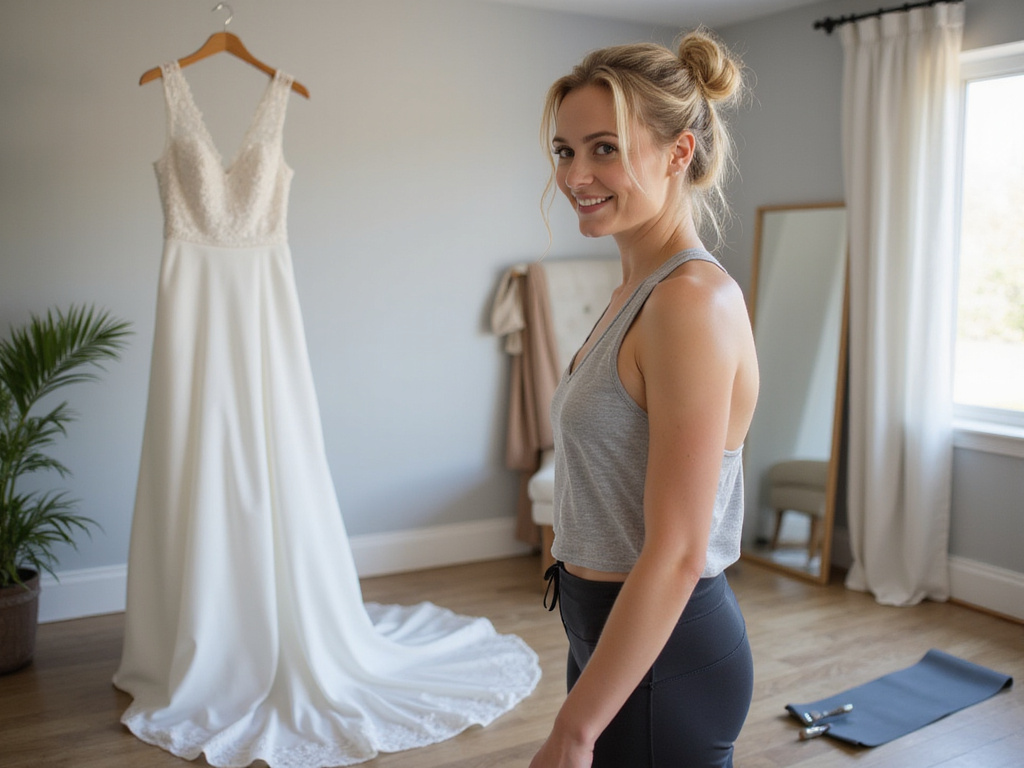
The Ultimate Wedding Dress Diet Plan: Look and Feel Your Best on Your Special Day
Your wedding day is approaching, and you want to look absolutely stunning in your dream dress. It’s natural to want to feel your best when all eyes are on you. A thoughtful wedding dress diet plan can help you achieve your goals in a healthy, sustainable way. Unlike crash diets that promise quick results but leave you feeling drained, a proper bridal nutrition plan focuses on nourishing your body while helping you reach your ideal wedding weight. This comprehensive guide will walk you through everything you need to know about pre-wedding nutrition, from timeline planning to meal ideas, exercise recommendations, and maintaining your well-being throughout the process. Let’s create a roadmap to help you look and feel radiant as you walk down the aisle.
Planning Your Wedding Dress Diet Timeline: The 12-Month Countdown
One of the most crucial aspects of your pre-wedding fitness journey is giving yourself adequate time. Crash dieting never leads to lasting results and can leave you feeling exhausted during what should be an exciting time in your life.
Ideally, begin your bridal wellness plan about 12 months before your wedding. This timeline allows for gradual, sustainable changes that become lifestyle habits rather than temporary restrictions.
Here’s a month-by-month breakdown of your wedding preparation nutrition plan:
12-9 Months Before: Foundation Building
This initial phase is all about establishing healthy habits that will carry you through your entire journey.
- Schedule a consultation with a registered dietitian who specializes in wedding preparation
- Establish baseline measurements and set realistic goals
- Begin incorporating more whole foods into your diet
- Start a simple exercise routine you enjoy (3-4 times weekly)
- Focus on proper hydration (aim for 2-3 liters daily)
- Keep a food journal to identify eating patterns
“Start your journey with small, sustainable changes rather than drastic measures,” advises Maria Lucey, a dietitian specializing in bridal nutrition. “This period is about building the foundation for the months ahead.” [1]
8-6 Months Before: Refining Your Bridal Nutrition Plan
Now that basic habits are established, it’s time to fine-tune your approach. This is when your wedding dress slim-down strategy becomes more focused.
- Increase protein intake to support metabolism and muscle maintenance
- Incorporate more complex strength training workouts
- Begin meal planning to avoid impulsive food choices
- Reduce alcohol consumption to 1-2 drinks weekly
- Implement stress management techniques like yoga or meditation
During this phase, focus on crafting meals that are nutrient-dense yet satisfying. Your body needs proper fuel for energy, particularly as you balance wedding planning with work and life.
5-3 Months Before: Intensifying Your Pre-Wedding Weight Plan
With a solid foundation in place, you can now safely increase the intensity of both your nutrition plan and fitness routine.
- Refine portion sizes while maintaining nutritional balance
- Add interval training to your workout routine
- Consider intermittent fasting (under professional guidance)
- Eliminate most processed foods and added sugars
- Schedule your final dress fitting toward the end of this period
Remember that consistency matters more than perfection. Allow yourself planned indulgences to prevent feelings of deprivation that might lead to binge eating later.
2-1 Months Before: Maintenance and Final Adjustments
The final countdown should focus on maintaining your progress rather than introducing dramatic changes.
- Stick to your established eating pattern without further restrictions
- Stay well-hydrated to enhance skin appearance
- Prioritize sleep for recovery and stress management
- Consider adding gentle detoxifying foods like lemon water and leafy greens
- Avoid trying new foods that might cause digestive issues
“The month before your wedding is not the time for extreme measures,” notes Lauren Conrad on her bridal boot camp plan. “Focus instead on maintaining your results and reducing stress.” [2]
Creating Your Balanced Bridal Diet Meal Plan
A successful wedding dress diet plan isn’t about deprivation—it’s about nourishment. Your body needs proper fuel to handle the stress of wedding planning while supporting your fitness goals.
The Macronutrient Balance for Pre-Wedding Weight Management
Rather than counting calories, focus on the quality and balance of your food. A balanced bridal meal plan typically includes:
- Protein (25-30% of intake): Essential for muscle maintenance and satiety
- Complex carbohydrates (40-45% of intake): Provide sustainable energy
- Healthy fats (25-30% of intake): Support hormone production and skin health
- Fiber: Promotes digestive health and feeling full longer
This balance helps stabilize blood sugar, maintain energy levels, and support gradual weight management without extreme hunger.
Sample 7-Day Wedding Nutrition Meal Plan
Here’s a week-long meal plan that delivers balanced nutrition while supporting your wedding fitness goals:
| Day | Breakfast | Lunch | Dinner | Snacks |
|---|---|---|---|---|
| Monday | Greek yogurt with berries and chia seeds | Large salad with grilled chicken, avocado, and olive oil dressing | Baked salmon with roasted vegetables and quinoa | Apple with almond butter; veggie sticks with hummus |
| Tuesday | Spinach and mushroom omelet with whole-grain toast | Turkey and vegetable soup with a side of mixed greens | Grilled chicken with sweet potato and steamed broccoli | Small handful of walnuts; Greek yogurt |
| Wednesday | Overnight oats with almond milk, berries, and cinnamon | Mediterranean bowl with chickpeas, cucumber, tomato, and feta | Zucchini noodles with turkey meatballs and tomato sauce | Bell pepper strips with guacamole; protein smoothie |
| Thursday | Protein smoothie with spinach, banana, protein powder, and nut butter | Large kale salad with shrimp, avocado, and lemon dressing | Stir-fried vegetables with tofu and brown rice | Hard-boiled egg; small piece of dark chocolate |
| Friday | Avocado toast on whole-grain bread with scrambled eggs | Lettuce wraps with ground turkey, vegetables, and herbs | Baked cod with roasted Brussels sprouts and cauliflower rice | Cucumber slices with tzatziki; small apple |
| Saturday | Vegetable frittata with side of berries | Quinoa bowl with mixed vegetables, black beans, and salsa | Grilled steak (4oz) with asparagus and small baked potato | Celery with almond butter; small yogurt |
| Sunday | Chia seed pudding with coconut milk and mixed berries | Lentil soup with side salad and olive oil dressing | Roast chicken with roasted root vegetables | Small handful of mixed nuts; protein bar (under 200 calories) |
Ally from Ally’s Cooking emphasizes: “The key to a successful wedding diet meal plan is making each meal satisfying yet nutritious. You shouldn’t feel deprived or hungry throughout the day.”
Strategic Pre-Wedding Eating Tips for Dress Success
Beyond your meal plan, these strategic eating habits can enhance your results:
- Front-load your calories: Consume more calories earlier in the day
- Hydrate before meals: Drink a full glass of water 15-20 minutes before eating
- Use smaller plates: This psychological trick helps with portion control
- Implement the fiber-first rule: Start meals with vegetables or high-fiber foods
- Try Metamucil before meals: Many brides report success using fiber supplements before eating to increase fullness
- Plan for one treat meal weekly: This prevents feelings of deprivation
One Reddit user shared: “I cut back on bread, pasta, rice and sweets. I ate mostly protein, veggies and fruit. It was also recommended to use Metamucil before meals to help feel fuller faster.”
Essential Exercise Components of Your Wedding Dress Fitness Plan
Nutrition is only half the equation when preparing for your wedding day. A well-rounded exercise routine complements your dietary changes and helps you achieve the toned look many brides desire.
Balancing Cardio and Strength Training for Bridal Body Goals
The ideal wedding preparation workout plan combines both cardiovascular exercise and strength training. This balanced approach burns calories while building lean muscle that gives your body definition.
- Cardiovascular exercise (3-5 times weekly):
- 30-45 minutes per session
- Mix high-intensity interval training (HIIT) with steady-state cardio
- Options include running, cycling, swimming, dance cardio, or rowing
- Strength training (2-4 times weekly):
- Focus on compound movements that work multiple muscle groups
- Target areas that will be visible in your dress (arms, back, shoulders)
- Include movements like squats, lunges, and deadlifts for full-body toning
- Flexibility and posture work (2-3 times weekly):
- Yoga or Pilates to improve posture for photos
- Stretching routines to prevent injury and enhance muscle definition
Personal trainers recommend building a routine that you actually enjoy. Consistency is far more important than intensity, especially over a 6-12 month preparation period.
Dress-Specific Exercises for Your Wedding Silhouette
Different wedding dress styles highlight different body areas. Tailor your workout to enhance the features your dress will showcase:
- Strapless or sweetheart neckline: Focus on shoulder, chest, and back exercises
- Push-ups, rows, lat pulldowns, and shoulder presses
- Backless dress: Target the upper and middle back
- Pull-ups, reverse flys, and back extensions
- Fitted mermaid or trumpet style: Core and hip exercises
- Planks, Russian twists, hip thrusts, and glute bridges
- Short dress or high slit: Leg-toning exercises
- Lunges, squats, step-ups, and hamstring curls
Remember that muscle definition takes time to develop. Begin these targeted exercises at least six months before your wedding for visible results.
Managing Wedding Planning Stress While Following Your Bridal Diet
Wedding planning can be incredibly stressful, which often leads to emotional eating or diet disruptions. Managing this stress is crucial to your wedding weight management success.
Stress-Busting Strategies for the Bride-to-Be
Implement these techniques to keep stress at bay while maintaining your nutritional goals:
- Scheduled self-care: Block time for activities that help you decompress
- Meditation and mindfulness: Even 5-10 minutes daily can reduce stress hormones
- Adequate sleep: Prioritize 7-8 hours nightly to regulate hunger hormones
- Delegate tasks: You don’t have to manage everything yourself
- Set boundaries: Learn to say no to additional commitments when needed
- Build support systems: Enlist friends and family who support your health goals
The Budget Savvy Bride advises: “Remember that your mental health is just as important as your physical appearance. A stressed, exhausted bride won’t look her best regardless of size.”
Avoiding Emotional Eating During Wedding Preparations
Many brides struggle with emotional eating during the planning process. These strategies can help:
- Identify your triggers: Recognize situations that prompt stress eating
- Create a response plan: Decide in advance how you’ll handle stressful moments
- Keep healthy snacks accessible: Prepare cut vegetables, fruit, or protein-rich options
- Practice mindful eating: Eat without distractions, focusing on flavor and satiety
- Address emotions directly: Journal, talk to friends, or practice stress-relief activities
Lauren Conrad suggests in her bridal boot camp plan: “When you feel the urge to stress eat, take a moment to ask yourself if you’re truly hungry or just seeking comfort. If it’s comfort, find non-food alternatives that soothe you.”
Navigating Special Occasions While on Your Wedding Diet Plan
From engagement parties to bridal showers and tastings, your pre-wedding period will be filled with celebrations. These events don’t have to derail your progress.
Strategic Approaches to Pre-Wedding Celebrations
Use these tactics to enjoy special occasions while staying on track:
- Preview menus when possible: Plan your choices before arriving
- Eat a small protein-rich snack beforehand: This prevents arriving overly hungry
- Follow the one-plate rule: Fill your plate once with mindful choices
- Choose protein and vegetables first: Fill half your plate with vegetables
- Sip water between alcoholic drinks: This slows consumption and keeps you hydrated
- Position yourself away from the buffet: Physical distance reduces unconscious grazing
Remember that occasional celebrations won’t ruin your progress. It’s your consistent daily habits that determine your results.
Handling Cake Tastings and Food Trials
Food-centered wedding preparations require special strategies:
- Schedule tastings as part of your regular meals: Don’t add them as extra eating occasions
- Share samples with your partner or wedding party: You only need a taste
- Adjust your eating the day of the tasting: Reduce calories earlier in the day
- Request smaller portions for testing: Most vendors will accommodate
- Ask if you can take home leftovers: This avoids feeling pressured to finish everything
Maria Lucey advises her clients: “Food trials are about selecting flavors, not consuming full meals. Small tastes are sufficient for making your selections.”
Essential Nutrition Tips for Wedding Dress Success
Beyond meal plans, certain nutritional strategies can enhance your results and help you feel your best on your wedding day.
Foods to Embrace on Your Pre-Wedding Slim Down
Prioritize these foods that support your bridal body goals:
- Lean proteins: Chicken, turkey, fish, eggs, tofu, and legumes
- Fibrous vegetables: Leafy greens, broccoli, cauliflower, and brussels sprouts
- Complex carbohydrates: Sweet potatoes, quinoa, oats, and brown rice
- Healthy fats: Avocados, olive oil, nuts, and seeds
- Anti-inflammatory foods: Berries, fatty fish, turmeric, and ginger
- Hydrating foods: Cucumber, celery, watermelon, and citrus fruits
These foods provide nutrients that support metabolism, reduce water retention, and promote skin health—all crucial for wedding day radiance.
Foods to Minimize for Wedding Dress Confidence
Reducing these foods can help minimize bloating and maximize energy:
- Refined sugars: Candy, baked goods, and sugary beverages
- Simple starches: White bread, pasta, and processed snack foods
- Sodium-heavy foods: Processed meats, canned soups, and fast food
- Artificial sweeteners: These can cause bloating in many people
- Alcohol: Limit to occasional consumption in moderation
- Dairy: Consider reducing if you experience sensitivity
As one Reddit user shared: “I cut back on bread, pasta, rice and sweets. I ate mostly protein, veggies and fruit. The difference in how I felt was incredible—more energy and less bloating.”
Final Month Preparation: The Wedding Dress Diet Countdown
The final weeks before your wedding require special consideration to ensure you look and feel your best on the big day.
Two Weeks Before: Anti-Bloating Bridal Diet Strategy
Implement these strategies to reduce water retention and bloating:
- Increase water intake: Aim for 3 liters daily to flush excess sodium
- Reduce sodium: Cook at home with fresh ingredients
- Increase potassium: Eat bananas, avocados, and leafy greens
- Limit carbonated beverages: These can cause gas and bloating
- Consider a probiotic: Support digestive health
- Avoid introducing new foods: Stick with familiar options
- Reduce cruciferous vegetables: While nutritious, they can cause bloating
One bride on Reddit shared: “The week of my wedding, I focused on eating simple foods I knew wouldn’t cause issues. My dress fit perfectly, and I felt comfortable all day.”
Wedding Day Eating Plan for Bridal Radiance
On your actual wedding day, follow this eating schedule:
- Morning: Protein-rich breakfast with complex carbohydrates (e.g., eggs with avocado and whole-grain toast)
- Mid-morning: Small protein snack and plenty of water
- Lunch: Light meal with lean protein and vegetables
- Pre-ceremony: Small protein-based snack to maintain energy
- Reception: Enjoy moderate portions of your wedding menu
- Throughout the day: Stay hydrated with water; limit alcohol until dinner
Most importantly, remember to actually eat. Many brides get so caught up in the day that they forget to fuel their bodies, leading to low energy or feeling unwell.
Maintaining Your Results After the Wedding Day
A successful wedding dress diet plan shouldn’t end after your big day. Transitioning to long-term healthy habits ensures you maintain your results.
Honeymoon Nutrition Strategies
Balance enjoyment with maintaining your wedding results:
- Follow the 80/20 rule: Make nutritious choices 80% of the time
- Start the day right: Begin with a balanced breakfast
- Stay active: Choose active excursions and adventures
- Indulge mindfully: Savor local specialties in appropriate portions
- Stay hydrated: Especially if traveling to warm destinations
Your honeymoon should be enjoyable, not restrictive. Focus on quality experiences rather than dietary perfectionism.
Creating Sustainable Post-Wedding Habits
After your wedding celebrations conclude:
- Gradually increase calories: Add 100-200 calories weekly until reaching maintenance level
- Continue meal planning: This habit supports long-term success
- Establish a consistent exercise routine: Find activities you genuinely enjoy
- Schedule regular check-ins: Monitor your habits to prevent complete reversal
- Set new health goals: Focus on strength, endurance, or wellness rather than weight
The Budget Savvy Bride notes: “The habits you develop during your wedding preparation can set the foundation for a healthy marriage and lifestyle. Think beyond the wedding day.”
Conclusion: Your Balanced Approach to Wedding Dress Readiness
Your wedding dress diet plan should be a journey of self-care, not punishment or extreme restriction. By giving yourself adequate time, focusing on nourishment rather than deprivation, and building sustainable habits, you can achieve your goals while maintaining your well-being. Remember that your wedding is one beautiful day in a lifetime of memories. The best gift you can give yourself is approaching this special time with balance, self-compassion, and healthy habits that will serve you long after you say “I do.”
Frequently Asked Questions About Wedding Dress Diet Plans
How soon before my wedding should I start a wedding dress diet plan?
Ideally, start your wedding dress diet plan 9-12 months before your wedding date. This timeline allows for gradual, sustainable changes rather than crash dieting. If you have less time, focus on making small, consistent improvements rather than extreme measures. Even 3-6 months can produce meaningful results when approached thoughtfully.
How much weight is realistic to lose before my wedding?
Healthy, sustainable weight loss typically occurs at a rate of 1-2 pounds per week. This means over six months, a realistic goal would be 24-48 pounds maximum. However, many brides find they’re more satisfied focusing on how they feel and how their clothes fit rather than a specific number. Body composition changes (gaining muscle while losing fat) can dramatically change your appearance without significant weight loss.
What should I eat the week of my wedding to avoid bloating?
The week of your wedding, focus on anti-bloating foods: lean proteins, cooked (not raw) vegetables, potassium-rich foods like bananas and avocados, and plenty of water. Avoid sodium-heavy foods, carbonated beverages, chewing gum, artificial sweeteners, cruciferous vegetables like broccoli and cauliflower, and dairy if you’re sensitive. Stick with foods you know work well with your digestive system rather than experimenting with new items.
How do I handle food tastings and wedding events while on my diet?
For food tastings, eat a small protein-rich snack beforehand, focus on tasting rather than consuming full portions, and adjust your meals that day to accommodate the extra calories. For wedding events, survey all options before filling your plate, choose protein and vegetables first, limit alcohol, and position yourself away from buffet tables. Remember that occasional celebrations won’t derail your progress if your daily habits remain consistent.
What should I eat on my actual wedding day?
On your wedding day, start with a balanced breakfast containing protein, healthy fats, and complex carbohydrates. Throughout the morning, eat small protein-based snacks to maintain energy and blood sugar. Stay well-hydrated with water. Avoid skipping meals, even if nervous, as this can lead to low energy, headaches, or feeling faint. Most importantly, remember to actually eat during your reception—many brides get so busy they forget to enjoy their wedding meal!
Is intermittent fasting effective for wedding weight loss?
Intermittent fasting can be effective for some brides, particularly those who find it helps control overall calorie intake. Common approaches include 16:8 (eating within an 8-hour window daily) or 5:2 (reducing calories two non-consecutive days weekly). However, it’s not suitable for everyone, especially those with a history of disordered eating or certain medical conditions. If you’re considering intermittent fasting for your wedding preparation, consult with a healthcare provider first and implement it at least 3-4 months before your wedding to ensure it works well for your body.
What exercises are best for toning up for a wedding dress?
The best exercises depend on your dress style. For strapless dresses, focus on shoulder and upper back exercises like push-ups, rows, and lateral raises. For backless dresses, target back definition with pull-downs, reverse flys, and back extensions. Form-fitting dresses benefit from core work including planks and Pilates exercises. A comprehensive program should include both strength training (2-3 times weekly) and cardio (3-5 times weekly), focusing on consistency rather than extreme intensity. Adding Pilates or yoga can improve posture, which is important for how you’ll look in wedding photos.
How can I avoid stress eating during wedding planning?
Prevent stress eating by identifying your emotional eating triggers and creating specific alternative responses, such as taking a short walk, calling a friend, or practicing deep breathing. Keep healthy snacks readily available for when you truly are hungry. Schedule regular stress-reduction activities like yoga, meditation, or exercise. Delegate wedding tasks when possible to reduce your overall stress load. Remember that adequate sleep (7-8 hours nightly) helps regulate hunger hormones and improves stress resilience.
What’s the biggest mistake brides make with pre-wedding diets?
The biggest mistake is starting too late and resorting to crash diets. Extreme calorie restriction can lead to fatigue, irritability, muscle loss, and metabolism slowdown—none of which you want while planning a wedding. It often results in regaining weight quickly after the wedding. Other common mistakes include completely eliminating food groups (leading to nutrient deficiencies), setting unrealistic goals, not accounting for stress, and failing to develop sustainable habits. Focus on gradual, consistent changes implemented well in advance rather than extreme measures.
How can I maintain my wedding weight after the big day?
Maintain your wedding results by gradually transitioning to a maintenance calorie level rather than immediately reverting to previous habits. Continue meal planning and preparation, which supports long-term weight management. Establish regular exercise as a non-negotiable part of your routine. Set new fitness goals focused on performance or strength rather than just appearance. Schedule regular check-ins with yourself to monitor habits and make adjustments as needed. Remember that the healthy habits you developed for your wedding can become the foundation for wellness throughout your marriage.
