
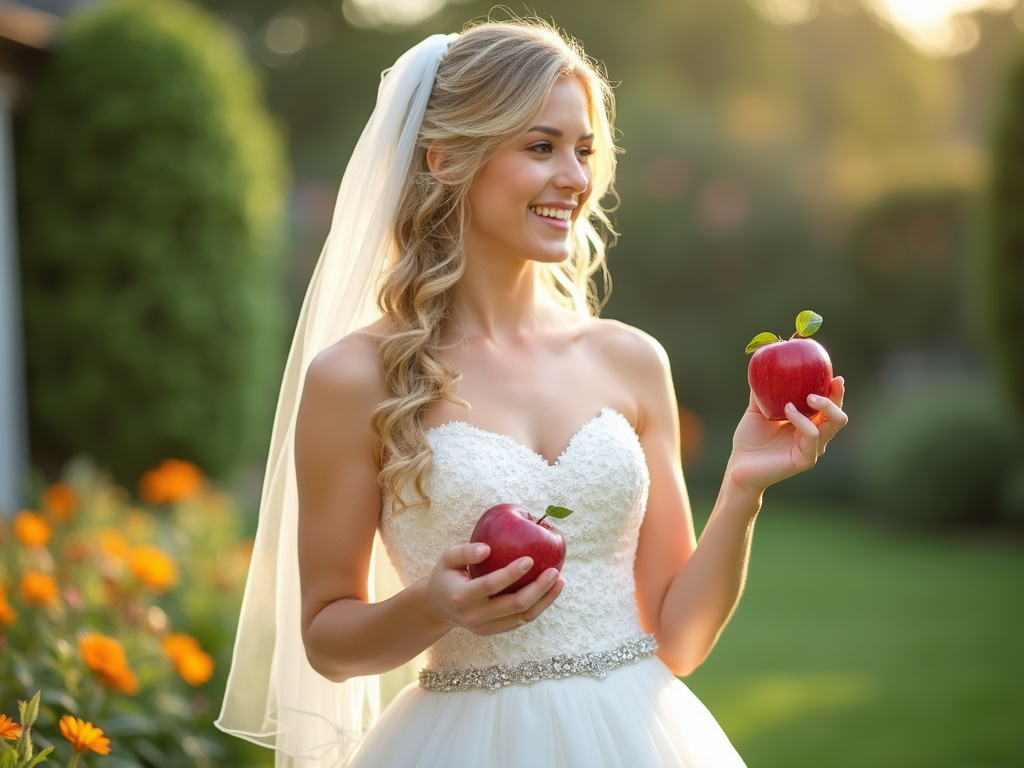
Ultimate Wedding Nutrition Guide: How to Look and Feel Your Best on Your Big Day
Your wedding day is approaching, and naturally, you want to look and feel your absolute best. With dress fittings, venue selections, and guest lists to manage, nutrition often takes a backseat during wedding planning. However, what you eat in the months leading up to your wedding plays a crucial role in your energy levels, skin appearance, and overall confidence. A thoughtful wedding nutrition plan isn’t about crash dieting or extreme measures. Instead, it focuses on nourishing your body with wholesome foods that support your natural beauty and well-being. In this comprehensive guide, we’ll explore evidence-based nutrition strategies specifically tailored for brides and grooms. From establishing healthy eating routines to managing pre-wedding stress through diet, we’ll cover everything you need to know about wedding nutrition to help you radiate confidence and joy on your special day.
Why Wedding Nutrition Matters: Beyond Just Looking Good in Photos
Wedding nutrition isn’t merely about fitting into your dream dress or tuxedo. It’s about creating a foundation of health that will carry you through one of the most memorable yet potentially stressful periods of your life.
A well-planned approach to pre-wedding eating helps regulate your mood during the planning process. Nutrient-dense foods support brain chemistry that keeps anxiety at bay and provides sustained energy.
Your skin, hair, and nails will benefit tremendously from proper nutrition. Foods rich in omega-3 fatty acids, antioxidants, and vitamins A, C, and E contribute to that coveted “bridal glow” that no amount of makeup can replicate.
Sleep quality improves with proper nutrition, ensuring you’re well-rested as your big day approaches. Poor food choices can disrupt sleep patterns, leading to under-eye circles and fatigue that accumulates over time.
Remember that wedding nutrition isn’t about drastic changes or punishing regimens. The goal is to establish sustainable habits that improve your well-being while helping you look and feel your best when all eyes are on you.
Starting Early: Timeline for Your Wedding Meal Planning
The journey to optimal wedding nutrition begins long before you say “I do.” Ideally, you should start implementing healthier eating habits 6-12 months before your wedding date.
This extended timeline allows for gradual, sustainable changes rather than last-minute crash diets that can leave you feeling drained and irritable on your wedding day.
Here’s a suggested timeline for your wedding nutrition plan:
- 6-12 months before: Establish baseline eating habits and identify areas for improvement
- 3-6 months before: Fine-tune your nutrition plan, focusing on nutrient-dense foods
- 1-3 months before: Maintain consistency while addressing specific concerns (skin, energy, etc.)
- 1 month before: Avoid introducing new foods that might cause digestive issues or skin reactions
- 1 week before: Focus on hydration and foods that reduce bloating
Starting early allows your body to adjust gradually. Sudden dietary changes right before your wedding can backfire, potentially causing digestive issues, skin breakouts, or energy fluctuations.
Early planning also provides time to work with professionals if needed. Consider consulting a registered dietitian who specializes in wedding nutrition for personalized guidance tailored to your specific health needs and wedding goals.
Core Principles of Bridal Diet Success: What Actually Works
The foundation of effective wedding nutrition rests on several evidence-based principles. These aren’t trendy quick fixes but sustainable approaches that support overall health.
Focus on whole foods rather than processed alternatives. Fresh fruits, vegetables, lean proteins, healthy fats, and whole grains should form the backbone of your pre-wedding diet.
Protein is particularly important during wedding preparation. It helps maintain muscle mass if you’re becoming more active and promotes satiety, preventing overeating. Aim for protein at every meal.
Don’t fear healthy fats. Avocados, olive oil, nuts, and seeds provide essential nutrients that support skin health and hormone balance. They also help you feel satisfied after meals.
Hydration is often overlooked but critically important. Water supports every body function and helps maintain clear skin. Aim for at least 2-3 liters daily, adjusting based on your activity level and climate.
Portion awareness matters more than strict calorie counting. Learning to recognize appropriate portion sizes prevents unintentional overeating while ensuring you’re getting adequate nutrition.
Consistency trumps perfection. A sustainable approach that you can maintain is far more effective than an overly restrictive plan that leads to burnout or binge cycles.
Targeted Nutritional Approaches for Wedding-Specific Concerns
Beyond general healthy eating, certain nutritional strategies can address specific wedding-related concerns. These targeted approaches can help you look and feel your best on your wedding day.
Nutrition for Radiant Skin
Your skin reflects your internal health, and certain nutrients can significantly improve its appearance. Incorporate these into your wedding nutrition plan:
- Omega-3 fatty acids from salmon, walnuts, and flaxseeds reduce inflammation and enhance skin elasticity
- Vitamin C from citrus fruits, bell peppers, and broccoli supports collagen production
- Vitamin E from almonds, sunflower seeds, and spinach protects skin from oxidative damage
- Zinc from oysters, beef, and pumpkin seeds helps control oil production and promotes healing
Avoid foods known to trigger skin issues for many people, like excessive dairy, refined sugars, and highly processed foods, especially if you notice they affect your skin.
Nutrition for Energy and Stress Management
Wedding planning can be exhausting. Support your energy levels and stress response with these nutritional strategies:
- Complex carbohydrates from oats, sweet potatoes, and quinoa provide sustained energy
- Magnesium-rich foods like dark chocolate, avocados, and leafy greens support stress response
- B vitamins from whole grains, eggs, and legumes help convert food to energy
- Adaptogens like certain herbs and mushrooms may help balance stress hormones (consult a professional)
Maintain steady blood sugar by eating regular meals and snacks. Blood sugar crashes can worsen stress and affect mood during this already emotional time.
Nutrition for Reducing Bloating
Nobody wants to feel bloated on their wedding day. These strategies can help minimize digestive discomfort:
- Probiotics from yogurt, kefir, and fermented vegetables support gut health
- Ginger and peppermint have anti-bloating properties
- Potassium-rich foods like bananas and sweet potatoes help balance sodium levels
- Adequate fiber supports regular digestion, but introduce high-fiber foods gradually
In the week before your wedding, consider temporarily reducing foods known to cause bloating for some people, including certain beans, cruciferous vegetables, and carbonated beverages.
Creating Your Personalized Wedding Nutrition Plan
While general principles apply to most people, an effective wedding nutrition plan should be tailored to your unique needs, preferences, and lifestyle. Here’s how to personalize your approach:
Start by assessing your current eating habits honestly. Keep a food journal for a week, noting not just what you eat but when and how you feel afterward.
Identify your specific wedding nutrition goals. Are you primarily focused on sustainable energy? Skin clarity? Digestive comfort? This helps prioritize your nutritional strategies.
Consider your personal food preferences and dietary requirements. Your wedding nutrition plan should include foods you genuinely enjoy eating, making it sustainable long-term.
Factor in your wedding timeline. Someone with a year until their wedding will approach nutrition differently than someone with two months to go.
Evaluate your stress levels and emotional relationship with food. Wedding planning can intensify food-related emotions, so build in flexibility and self-compassion.
A sample day on a balanced wedding nutrition plan might look like:
- Breakfast: Greek yogurt with berries, nuts, and a drizzle of honey
- Lunch: Large salad with mixed greens, grilled chicken, avocado, and olive oil dressing
- Snack: Apple slices with almond butter
- Dinner: Baked salmon with roasted sweet potatoes and steamed broccoli
- Evening: Herbal tea and a small square of dark chocolate
Remember that flexibility matters. Special occasions, tastings, and celebrations are part of wedding planning. The goal isn’t perfection but consistency with your nutrition plan.
Hydration Strategies for Wedding Preparation
Water is perhaps the most underrated component of wedding nutrition. Proper hydration affects everything from skin appearance to energy levels and digestion.
Most adults need at least 2-3 liters of water daily, with active individuals or those in warm climates requiring more. During wedding preparation, aim to consistently meet or exceed these recommendations.
Signs of inadequate hydration include headaches, fatigue, dark urine, and dry skin—all things you want to avoid as your wedding approaches.
Create a hydration schedule rather than trying to catch up all at once. Start each day with a glass of water and continue drinking steadily throughout the day.
For enhanced benefits, consider infusing water with cucumber, lemon, or berries. These additions provide subtle flavor while contributing beneficial plant compounds.
Monitor your alcohol and caffeine intake during wedding preparation. Both can contribute to dehydration, affecting skin appearance and energy levels. If you do consume these beverages, balance them with additional water.
In the final weeks before your wedding, consistent hydration becomes even more critical. It helps prevent water retention and supports optimal digestion, ensuring you feel your best on your wedding day.
Managing Special Events and Social Gatherings During Wedding Preparation
Wedding planning often involves numerous social events—engagement parties, showers, tastings, and celebrations. These occasions can challenge even the most dedicated nutrition plans.
Preparation is key to navigating these events while maintaining your wedding nutrition goals. Never arrive starving—have a small protein-rich snack beforehand to prevent overindulging.
When faced with a buffet or multiple options, survey all choices before filling your plate. This prevents the common mistake of loading up early only to discover preferred options later.
Follow the “plate method” at events: fill half your plate with vegetables, a quarter with lean protein, and a quarter with starches or grains. This natural portion control works in almost any setting.
Practice the “three-bite rule” with indulgences. The first three bites provide the most pleasure; after that, satisfaction diminishes. Savor those bites mindfully, then move on.
Remember that one meal or event won’t make or break your wedding nutrition plan. If you overindulge, simply return to your regular eating pattern at the next meal without punishing yourself.
For alcohol, alternate each alcoholic drink with a full glass of water. This slows consumption while maintaining hydration. Clear spirits with soda water and lime offer lower-calorie options if you choose to drink.
Avoiding Common Pre-Wedding Nutrition Mistakes
Many brides and grooms fall into predictable nutrition traps during wedding preparation. Awareness of these common pitfalls can help you avoid them.
Perhaps the biggest mistake is attempting crash diets or extreme restrictions. These approaches typically backfire, leading to rebound overeating, reduced energy, and potential health issues.
Another common error is skipping meals to “save calories.” This strategy often leads to poor food choices later when hunger becomes overwhelming. Regular, balanced meals support stable energy and mood.
Many couples focus exclusively on calories while ignoring nutritional quality. A nutrient-dense 500-calorie meal will serve your body better than a 500-calorie processed alternative with minimal nutritional value.
Overexercising while undereating is particularly problematic. This combination stresses the body, potentially affecting everything from hormone balance to skin appearance and immune function.
Failing to plan is essentially planning to fail. Without prepared meals and snacks, you’re more likely to grab convenient options that don’t align with your wedding nutrition goals.
Lastly, perfectionism can derail otherwise sound nutrition plans. An all-or-nothing mentality leads to unnecessary stress and potential abandonment of healthy habits after minor deviations. Consistency, not perfection, leads to results.
The Week Before: Final Wedding Nutrition Adjustments
The week leading up to your wedding requires special nutritional consideration. This isn’t the time for major changes, but for fine-tuning to help you look and feel your best on your big day.
Focus intensely on hydration during this final week. Proper fluid intake helps prevent water retention and supports optimal digestive function. Aim for at least 2-3 liters daily, primarily from water.
Maintain regular meal timing to support stable energy and prevent stress-induced digestive issues. Skipping meals can lead to energy crashes and mood fluctuations—neither of which you want while finalizing wedding details.
Consider temporarily reducing foods known to cause bloating or discomfort for you personally. Common culprits include:
- High-sodium processed foods that can cause water retention
- Carbonated beverages that introduce gas to the digestive system
- Certain high-fiber foods that might cause temporary bloating
- Sugar alcohols found in many sugar-free products
Be extremely cautious about introducing new foods or supplements in this final week. Now is not the time to try exotic new ingredients that might trigger unexpected reactions.
Pack emergency snacks for the day before and morning of your wedding. With hectic schedules and heightened emotions, having nutritious options readily available prevents the energy crashes that can come with missed meals.
Wedding Day Nutrition: What to Eat When All Eyes Are on You
Your wedding day has arrived! With all the excitement and activity, nutrition often becomes an afterthought. However, what you eat (or don’t eat) today significantly impacts your energy, mood, and comfort.
Start your day with a balanced breakfast containing protein, healthy fats, and complex carbohydrates. This combination provides sustained energy without blood sugar spikes and crashes. Examples include:
- Scrambled eggs with avocado and whole-grain toast
- Greek yogurt with berries and nuts
- A smoothie containing protein powder, nut butter, and fruit
Assign a trusted friend or family member to be your “nutrition buddy” for the day. Their responsibility is ensuring you eat regular meals and stay hydrated amid the whirlwind of activities.
Pack portable, non-messy snacks for pre-ceremony fueling. Good options include:
- Mixed nuts and dried fruit
- Protein bars (choose ones without chocolate that could melt or stain)
- String cheese and crackers
- Sliced fruit and nut butter packets
During the reception, prioritize eating despite the constant interruptions. Many couples barely touch their carefully selected meals due to greeting guests and participating in traditions. Make a conscious effort to eat, even if it means asking for a plate to be set aside for a quieter moment.
Stay hydrated throughout the day, alternating water with any alcoholic beverages. Dehydration can cause fatigue, headaches, and dizziness—none of which enhance your wedding experience.
Most importantly, enjoy the celebration! While nutrition supports your well-being on this special day, it shouldn’t become a source of stress. The memories you’re creating matter more than perfect adherence to nutritional ideals.
Beyond the Wedding: Transitioning to Married Life Nutrition
As you settle into married life, you have an opportunity to establish healthy nutritional patterns that benefit both partners. The habits developed during wedding preparation can evolve into sustainable lifestyle practices.
Use this transition as an opportunity to reassess nutritional goals as a couple. Wedding-specific concerns like fitting into attire give way to long-term priorities like energy, longevity, and possibly family planning.
Consider establishing cooking routines together, like weekend meal prep or taking turns preparing dinner. Couples who cook together often eat healthier than those who rely primarily on takeout or restaurant meals.
Be mindful of how different eating patterns might need harmonizing. If one partner is plant-based while the other enjoys animal products, or if meal timing preferences differ, open communication helps find mutually satisfying solutions.
Remember that nutritional needs change throughout life and may shift with major milestones like career changes, relocations, or family expansion. Approach these transitions with flexibility rather than rigid adherence to previous patterns.
The nutritional foundations established during wedding preparation—prioritizing whole foods, hydration, and mindful eating—serve you well beyond the wedding day, supporting health and well-being throughout married life.
Frequently Asked Questions About Wedding Nutrition
How long before my wedding should I start focusing on nutrition?
Ideally, start implementing healthier eating habits 6-12 months before your wedding. This timeline allows for gradual, sustainable changes rather than last-minute crash diets. Even with just 3 months to go, you can make meaningful improvements to your nutrition that will benefit how you look and feel on your wedding day.
Should I try to lose weight for my wedding?
This is a personal decision, but any weight management should prioritize health and be approached gradually. Focus on nutrient-dense whole foods rather than severe calorie restriction. If you choose to lose weight, aim for no more than 1-2 pounds per week. Remember that confidence and joy radiate more powerfully than any specific size or number on a scale. If you struggle with body image, consider speaking with a therapist or registered dietitian for personalized guidance.
What foods help reduce wedding-day bloating?
To minimize bloating before your wedding, focus on potassium-rich foods like bananas, potatoes, and leafy greens that help balance sodium levels. Stay well-hydrated and consider natural diuretics like cucumber and watermelon. Limit salt, carbonated beverages, sugar alcohols, and known personal triggers in the days before your wedding. Incorporate anti-inflammatory foods like ginger, turmeric, and pineapple which may help reduce digestive discomfort.
What should I eat on my actual wedding day?
Start with a balanced breakfast containing protein, healthy fats, and complex carbohydrates. Pack portable, non-messy snacks like nuts, protein bars, and fruit for pre-ceremony energy. Assign someone to remind you to eat and stay hydrated throughout the day. Make a conscious effort to eat at your reception despite interruptions. Stay hydrated by alternating water with any alcoholic beverages to maintain energy and prevent headaches.
How can I maintain healthy eating with all the pre-wedding events?
Navigate pre-wedding social events by never arriving starving—have a small protein-rich snack beforehand. Survey all food options before filling your plate and follow the “plate method” (half vegetables, quarter protein, quarter starches). Practice the “three-bite rule” with indulgences, savoring those bites mindfully. If you choose to drink alcohol, alternate each alcoholic beverage with water. Remember that one event won’t make or break your wedding nutrition plan; consistency matters more than perfection.
What supplements should I consider before my wedding?
While whole foods should form the foundation of your wedding nutrition plan, certain supplements might be beneficial based on individual needs. Consider a high-quality multivitamin, omega-3 fatty acids for skin health, and vitamin D if levels are low. Some find that collagen supplements support skin elasticity and biotin helps strengthen hair and nails. Always consult with a healthcare provider before starting any supplement regimen, and begin well in advance to ensure no adverse reactions.
How much water should I drink before my wedding?
Aim for at least 2-3 liters (8-12 cups) of water daily during wedding preparation, adjusting upward for exercise and climate factors. Create a hydration schedule rather than trying to catch up all at once. In the final weeks before your wedding, consistent hydration becomes even more critical for preventing water retention and supporting optimal digestion. Consider tracking your intake with a marked water bottle or app to ensure you’re meeting your goals.
What are the biggest nutrition mistakes couples make before weddings?
Common pre-wedding nutrition mistakes include attempting crash diets, skipping meals to “save calories,” focusing exclusively on calorie counts while ignoring nutritional quality, overexercising while undereating, failing to plan meals and snacks, and adopting an all-or-nothing perfectionist mentality. These approaches typically backfire, potentially affecting energy, skin, mood, and overall well-being when you most want to feel your best.
Remember that your wedding nutrition journey should support not just how you look on your wedding day, but how you feel throughout the planning process and celebration. By focusing on nourishing whole foods, consistent hydration, and a balanced approach that includes flexibility for special occasions, you create the foundation for radiant health that shines through in your wedding photos and memories.
The habits developed during this time can serve you well beyond your wedding day, supporting your health and well-being as you begin married life together. Approach your wedding nutrition plan with self-compassion, flexibility, and a focus on long-term health rather than short-term fixes.
References:
