
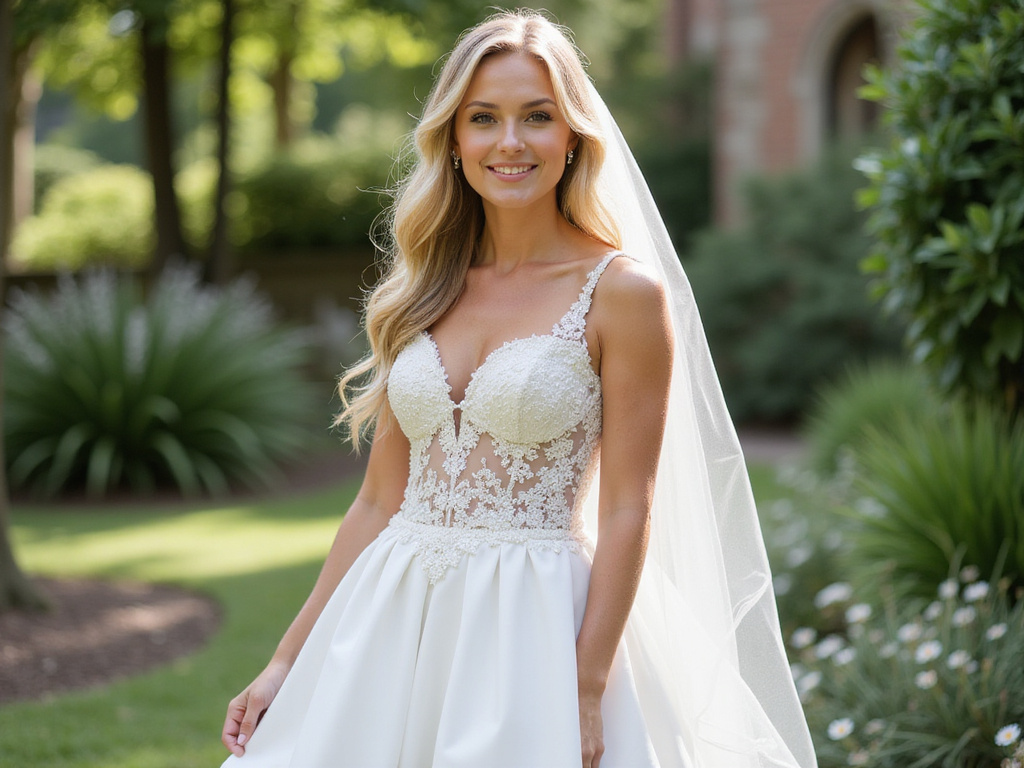
Ultimate Wedding Weight Loss Tips for Brides: A Complete Guide to Looking and Feeling Your Best
Planning a wedding is a whirlwind of excitement, but it often comes with the desire to look your absolute best on your big day. As an experienced dietitian who has helped countless brides achieve their pre-wedding weight goals, I understand the pressure to fit perfectly into that dream dress. This comprehensive guide provides practical, healthy weight loss tips specifically for brides-to-be. Whether you have a year, six months, or just a few weeks before your wedding, these strategies will help you achieve realistic results without compromising your health. From nutrition plans to exercise routines, stress management to hydration, we’ll cover everything you need to know to feel confident and radiant when you walk down the aisle.
Setting Realistic Wedding Weight Loss Goals
Before diving into any pre-wedding weight loss plan, it’s crucial to establish realistic expectations. Many brides aim for dramatic transformations that aren’t sustainable or healthy. Remember that healthy, lasting weight loss occurs at a rate of 1-2 pounds per week. This means that over two months, you can realistically lose 8-16 pounds following a sensible plan.
Start by assessing your current body composition and identifying specific goals. Instead of focusing solely on the number on the scale, consider how you want to feel in your dress. Perhaps you want to tone your arms or define your waistline. Having specific, achievable targets will keep you motivated throughout your journey.
When setting your wedding weight loss goals, consider the following factors:
- Your current weight and body composition
- The amount of time before your wedding
- Your dress fitting schedule
- Your overall health and any medical considerations
- Your stress levels and mental well-being
Consulting with a registered dietitian or healthcare provider can help you establish a safe and effective weight loss target. They can provide personalized guidance based on your unique needs and timeline. Remember that looking good in your wedding dress should never come at the expense of your health.
Nutrition Fundamentals for Bridal Body Transformation
The foundation of any successful weight loss plan is proper nutrition. For brides-to-be, focusing on nutrient-dense foods will not only help you shed pounds but also improve your skin, hair, and energy levels—all essential for your wedding day glow.
Start by creating a moderate calorie deficit. Most women need about 2,000 calories per day to maintain their weight, so reducing this by 300-500 calories can lead to sustainable weight loss. However, never go below 1,200 calories as this can slow your metabolism and lead to nutritional deficiencies.
Focus on incorporating these weight-loss friendly foods into your daily meals:
- Lean proteins: Chicken breast, turkey, fish, tofu, and legumes help maintain muscle mass while keeping you full longer.
- Fiber-rich vegetables: Broccoli, spinach, kale, and other leafy greens provide essential nutrients with minimal calories.
- Complex carbohydrates: Opt for whole grains like quinoa, brown rice, and oats to provide sustained energy.
- Healthy fats: Incorporate avocados, olive oil, nuts, and seeds in moderation.
Many brides find success with meal planning and preparation. Spending a few hours each weekend planning and preparing meals for the week ahead can prevent impulsive food choices. Consider using apps or journals to track your food intake, which can increase accountability and awareness.
One bride shared on Reddit that replacing sodas with water and increasing her intake of organic fruits and vegetables was key to her pre-wedding weight loss success. These simple substitutions can make a significant difference over time.
The Bride’s Guide to Wedding-Specific Meal Planning
Creating a structured meal plan can simplify your weight loss journey and reduce decision fatigue during the already stressful wedding planning process. Here’s a sample day from a bridal weight loss meal plan:
| Meal | Food Options |
|---|---|
| Breakfast (7-8 AM) | Greek yogurt with berries and a tablespoon of chia seeds; or two eggs with spinach and whole-grain toast |
| Mid-morning Snack (10-11 AM) | Apple with 1 tablespoon almond butter; or a small handful of nuts |
| Lunch (12-1 PM) | Large salad with mixed greens, grilled chicken, colorful vegetables, and olive oil-based dressing; or quinoa bowl with roasted vegetables and lean protein |
| Afternoon Snack (3-4 PM) | Vegetable sticks with hummus; or a protein smoothie with spinach and berries |
| Dinner (6-7 PM) | Grilled fish with roasted Brussels sprouts and sweet potato; or turkey meatballs with zucchini noodles and tomato sauce |
| Evening (if needed) | Herbal tea; or small piece of dark chocolate |
Focus on portion sizes using simple guidelines: protein portions should be about the size of your palm, carbohydrates should be the size of your fist, and healthy fats should be limited to the size of your thumb.
Meal timing can also impact your weight loss success. Try to eat your larger meals earlier in the day when your metabolism is more active. Aim to finish eating 2-3 hours before bedtime to improve digestion and sleep quality.
Don’t forget to adjust your meal plan for special occasions like cake tastings, bridal showers, and bachelorette parties. Instead of avoiding these events, plan lighter meals before and after, and practice mindful eating during celebrations.
Foods to Limit During Your Bridal Slim-Down
While no foods need to be completely eliminated, certain items are best minimized when trying to lose weight for your wedding:
- Sugary beverages: Sodas, sweetened teas, and fancy coffee drinks can contain hundreds of empty calories.
- Alcohol: Besides adding calories, alcohol can reduce your resolve to make healthy food choices and disrupt sleep patterns.
- Processed foods: Items high in sodium can cause water retention and bloating, which you’ll want to avoid close to your wedding day.
- White flour products: Pastries, white bread, and pasta can cause blood sugar spikes and subsequent crashes.
Instead of focusing on restriction, think of your pre-wedding nutrition plan as an opportunity to nourish your body. This positive mindset will make your healthy eating habits more sustainable and enjoyable.
Effective Exercise Strategies for Wedding Dress Confidence
Exercise is a powerful complement to nutritional changes when preparing for your wedding. Not only does physical activity help with weight loss, but it also improves muscle tone, posture, and mood—all essential for your wedding day confidence.
For maximum results, combine cardio exercises with strength training. Cardio burns calories during the workout, while strength training builds lean muscle that increases your resting metabolic rate. This means you’ll burn more calories even when you’re not exercising.
Consider these pre-wedding workout recommendations:
- Cardio (3-5 times weekly): 30-45 minutes of walking, jogging, cycling, swimming, or dance cardio
- Strength training (2-3 times weekly): Focus on full-body workouts or target specific areas like arms and back that will be visible in your dress
- Flexibility (2-3 times weekly): Yoga or stretching to improve posture and reduce stress
Many brides find success with structured programs tailored to their wedding dress styles. For strapless or sleeveless dresses, emphasize upper body exercises like push-ups, rows, and shoulder presses. For more fitted dresses, core-strengthening exercises like planks and Pilates can help define your waistline.
If you’re new to exercise or short on time, consider hiring a personal trainer for even just a few sessions. They can design an efficient program specifically for your goals and timeline. Alternatively, online fitness programs tailored for brides are widely available and often more affordable.
Remember that consistency is more important than intensity. A moderate workout you can maintain regularly will yield better results than extreme sessions you can’t sustain. Start with 30-minute workouts 3-4 times per week and gradually increase as your fitness improves.
Hydration: The Secret Weapon for Bridal Beauty
Proper hydration is often overlooked in weight loss plans, yet it plays a crucial role in both reaching your goal weight and achieving that coveted wedding day glow. Water is essential for nearly every bodily function, including metabolism and digestion.
Drinking adequate water offers multiple benefits for brides-to-be:
- It helps control hunger, as thirst is often mistaken for hunger
- It supports optimal metabolism and fat-burning
- It improves skin clarity and elasticity
- It reduces water retention and bloating
- It increases energy levels naturally
Aim to drink at least 8-10 glasses (64-80 ounces) of water daily, increasing this amount if you exercise intensely or live in a hot climate. A good rule of thumb is to divide your body weight (in pounds) by two to determine how many ounces you should consume daily.
Make hydration a habit by:
- Carrying a reusable water bottle everywhere
- Setting reminders on your phone
- Infusing water with fruits, vegetables, or herbs for flavor
- Drinking a full glass of water before each meal
- Starting your morning with water before coffee
In the week before your wedding, maintain consistent hydration while avoiding new foods that might cause bloating. This balanced approach will help you look and feel your best when it matters most.
Stress Management: Essential for Wedding Weight Loss Success
Wedding planning can be incredibly stressful, and stress directly impacts your weight loss efforts. When stressed, your body produces cortisol, a hormone that can increase appetite, cravings for comfort foods, and fat storage, particularly around the midsection.
Implementing stress management techniques is not just beneficial for your mental health—it’s essential for your weight loss success. Consider incorporating these strategies into your pre-wedding routine:
- Mindfulness meditation: Even just 5-10 minutes daily can significantly reduce stress levels
- Deep breathing exercises: Practice 4-7-8 breathing (inhale for 4 seconds, hold for 7, exhale for 8)
- Adequate sleep: Aim for 7-8 hours per night to regulate hunger hormones
- Digital detox: Take breaks from wedding planning websites and social media
- Nature therapy: Spend time outdoors to reduce cortisol levels
Remember that prioritizing self-care during wedding planning isn’t selfish—it’s necessary for both your physical and emotional well-being. Schedule specific “worry-free” times where wedding planning is off-limits, and use this time to engage in activities you enjoy.
Many brides find that incorporating gentle movement like yoga or walking helps manage stress while supporting weight loss goals. These activities provide a mental break while keeping you physically active. Consider joining a class or finding an app that guides you through stress-reducing movement practices.
If wedding-related anxiety is significantly affecting your eating habits or overall wellness, don’t hesitate to speak with a therapist or counselor. Professional support can provide valuable tools for managing stress without derailing your health goals.
Timeline: Month-by-Month Bridal Weight Loss Plan
Depending on how much time you have before your wedding, your approach to weight loss should be adjusted accordingly. Here’s a timeline to help you plan effectively:
12+ Months Before the Wedding
With a full year or more, you have ample time to make sustainable lifestyle changes. Focus on establishing healthy habits that will carry you through your wedding and beyond. This is the ideal timeframe for addressing significant weight loss goals.
- Schedule a physical with your doctor to establish a safe weight loss goal
- Consider working with a registered dietitian to create a personalized nutrition plan
- Begin strength training 2-3 times per week to build lean muscle
- Gradually increase cardio activity to 150 minutes weekly
- Start food journaling to identify eating patterns and triggers
6-12 Months Before the Wedding
With six months to a year, you can still make significant progress. This is when you should be most consistent with your nutrition and exercise routine.
- Refine your meal plan to include primarily whole foods
- Increase protein intake to support muscle maintenance during weight loss
- Add high-intensity interval training (HIIT) 1-2 times weekly
- Schedule regular measurements and progress photos
- Address emotional eating through mindfulness practices
3-6 Months Before the Wedding
This is when many brides have their first dress fittings, so maintaining consistency is key. Major weight fluctuations during this period can affect how your dress fits.
- Focus on maintaining consistent eating patterns
- Add targeted exercises for areas that will be highlighted by your dress
- Begin incorporating stress management techniques
- Experiment with different healthy recipes to prevent diet fatigue
- Consider working with a personal trainer for fine-tuning
1-3 Months Before the Wedding
With your final dress fittings approaching, now is the time for fine-tuning rather than dramatic changes.
- Maintain your established routine without introducing drastic changes
- Focus on anti-inflammatory foods to reduce bloating
- Ensure adequate hydration becomes second nature
- Prioritize sleep quality to support recovery and stress management
- Schedule self-care activities to manage pre-wedding stress
The Final Month
During the last few weeks before your wedding, focus on consistency rather than increased restriction.
- Avoid introducing new foods that might cause digestive issues
- Maintain your exercise routine but avoid excessive intensity that could cause injury
- Focus on posture exercises for wedding-day confidence
- Practice stress management daily
- Ensure adequate sleep becomes a top priority
Remember that significant weight loss should never be attempted in the final weeks before your wedding. Last-minute crash diets can lead to fatigue, irritability, and even illness—none of which you want on your wedding day!
Managing Special Occasions During Wedding Weight Loss
The months leading up to your wedding will likely include various celebrations—engagement parties, bridal showers, bachelorette weekends, and cake tastings. These events can be challenging when you’re trying to maintain a weight loss plan.
Instead of avoiding these special occasions, develop strategies to enjoy them without derailing your progress:
- Before the event: Eat a small, protein-rich snack to curb hunger
- During the celebration: Survey all food options before filling your plate
- Portion control: Use the “one-plate rule” for buffets and family-style meals
- Alcohol strategy: Alternate alcoholic drinks with water or choose spritzers to reduce calories
- Mindful indulgence: Select one special treat to enjoy fully without guilt
For multi-day events like bachelorette weekends, plan ahead by researching restaurant menus, packing healthy snacks, and scheduling active outings like dancing or walking tours. Remember that one indulgent meal or weekend won’t ruin your progress—it’s your consistent habits that matter most.
Cake tastings deserve special mention, as they’re an important wedding planning milestone. Instead of skipping this experience, plan lighter meals before and after, share samples with your partner or family, and remember that tasting doesn’t require finishing every piece.
When attending events hosted by others, consider communicating your goals to close friends and family who can offer support. True friends will understand and respect your commitment to feeling your best on your wedding day.
Avoiding Common Bridal Weight Loss Mistakes
In the pursuit of wedding day perfection, many brides fall into counterproductive patterns that can sabotage their weight loss efforts and overall well-being. Being aware of these common pitfalls can help you maintain a healthier approach.
Crash dieting tops the list of harmful pre-wedding mistakes. Severely restricting calories may produce quick initial results, but it leads to muscle loss, metabolic slowdown, and inevitable rebound weight gain. Instead, focus on sustainable calorie reduction that still provides adequate nutrition.
Another common error is eliminating entire food groups. Unless you have specific allergies or medical conditions, completely cutting out carbohydrates, dairy, or other food groups can lead to nutritional deficiencies and intense cravings. A balanced approach that moderates rather than eliminates food groups is more sustainable.
Over-exercising is particularly prevalent among brides-to-be. While regular physical activity is important, excessive exercise without proper recovery can lead to injuries, hormonal imbalances, and exhaustion. Quality always trumps quantity when it comes to workouts.
Many brides also make the mistake of weighing themselves too frequently. Daily weight fluctuations are normal due to factors like hydration, digestion, and hormonal changes. These variations can cause unnecessary stress and anxiety. Instead, weigh yourself no more than once a week, at the same time of day, and track other measures of progress like energy levels and how clothes fit.
Perhaps most importantly, avoid neglecting your mental health. The pressure to achieve a “perfect” wedding body can trigger unhealthy relationships with food and body image. Remember that your partner is marrying you for who you are, not for a specific dress size. Prioritize approaches that make you feel good physically and mentally, rather than pursuing extreme measures that compromise your well-being.
If you find yourself engaging in any of these behaviors, it might be helpful to speak with a healthcare provider, dietitian, or therapist who can guide you toward healthier approaches.
Beyond the Wedding Day: Sustainable Healthy Habits
While your wedding provides spectacular motivation for adopting healthier habits, the true goal should be developing a lifestyle that supports your well-being long after you say “I do.” The habits you cultivate during your engagement can become the foundation for a healthy marriage and life.
Consider how you can transition from “wedding weight loss” to “lifetime wellness” by:
- Identifying the healthy habits that you genuinely enjoy and can maintain
- Involving your partner in cooking nutritious meals and physical activities
- Setting new health goals as a couple after the wedding
- Focusing on non-scale victories like energy levels, mood, and sleep quality
- Developing a positive relationship with food that isn’t centered on restriction
Many couples find that planning and preparing meals together becomes a meaningful way to connect. Consider establishing a weekly meal planning routine that continues after the honeymoon. This practice saves money, reduces food waste, and supports healthy eating.
Similarly, finding physical activities you both enjoy can strengthen your relationship while supporting physical health. Whether it’s hiking, dancing, cycling, or taking fitness classes together, shared movement creates opportunities for quality time and mutual support.
Remember that your body will continue to change throughout your life and marriage. Developing resilience and adaptability regarding your health habits will serve you better than rigid approaches that can’t be maintained through life’s inevitable changes.
By focusing on building sustainable habits rather than achieving a specific wedding day look, you’ll create a foundation for health and happiness that lasts far beyond your celebration.
Conclusion: Balanced Approach to Bridal Beauty
Your wedding day is undoubtedly special, and wanting to look and feel your best is natural. However, the journey to your wedding day should enhance your overall well-being, not compromise it. The most effective weight loss approach for brides combines nutritious eating, regular physical activity, stress management, and adequate rest. Remember that true bridal beauty radiates from confidence and joy—qualities that come from treating your body with care and respect. As you prepare for this milestone, prioritize approaches that nourish both body and mind, creating habits that will serve you well throughout your marriage and beyond.
FAQ: Essential Weight Loss Tips for Brides
How soon before my wedding should I start a weight loss plan?
Ideally, start 6-12 months before your wedding for sustainable results. This timeline allows for a healthy rate of weight loss (1-2 pounds per week) without extreme measures. If you have significant weight loss goals, begin as early as possible. Avoid starting crash diets in the final weeks before your wedding, as these can lead to fatigue, irritability, and nutritional deficiencies.
What’s the healthiest way to lose weight before my wedding?
The healthiest approach combines moderate calorie reduction (300-500 calories below maintenance), regular physical activity (both cardio and strength training), adequate hydration, stress management, and sufficient sleep. Focus on whole, nutrient-dense foods while moderating processed foods, alcohol, and added sugars. This balanced approach supports not only weight loss but also improved energy, skin health, and overall wellbeing.
Should I try a detox or cleanse before my wedding?
Detoxes and cleanses are generally not recommended, especially close to your wedding. These approaches typically provide very few calories, lack essential nutrients, and can cause side effects like headaches, fatigue, and digestive distress—none of which you want near your wedding day. Any weight lost is primarily water weight that returns quickly. Instead, support your body’s natural detoxification systems by staying hydrated, eating plenty of fiber-rich foods, and reducing processed food intake.
How can I avoid bloating on my wedding day?
In the week before your wedding, maintain consistent hydration, avoid introducing new foods, and limit common bloat-triggering items like carbonated beverages, high-sodium foods, sugar alcohols, and excessive fiber. Focus on regular meals with lean proteins and cooked vegetables. Avoiding late-night eating and practicing stress management can also help minimize bloating. If you have consistent bloating issues, consider consulting with a dietitian several months before your wedding to identify your personal triggers.
How do I handle wedding tastings and still lose weight?
Plan lighter meals before and after tastings, and approach the event strategically. For cake tastings, share samples with your partner or family members, and remember that tasting doesn’t mean finishing every piece. For menu tastings, take small portions of each item, focus on protein and vegetables, and be mindful of alcohol consumption. Consider these events planned indulgences in your overall healthy eating pattern, and return to your regular routine immediately afterward.
What exercises are best for toning before a wedding?
The best exercises depend on your dress style and personal goals. For strapless or sleeveless dresses, focus on upper body exercises like push-ups, rows, and shoulder presses. For fitted dresses, core-strengthening exercises like planks and Pilates can help define your waistline. Combine targeted toning with full-body strength training 2-3 times weekly and cardio 3-5 times weekly for optimal results. Consider working with a personal trainer who can design a program specifically for your wedding dress and goals.
Is it possible to lose weight in just 2-3 months before my wedding?
Yes, it’s possible to lose 8-24 pounds over 2-3 months if following a consistent, healthy approach. Focus on creating a moderate calorie deficit through both diet and exercise, prioritize protein and vegetables, and stay well-hydrated. However, avoid extreme measures that promise faster results, as these can affect your energy, mood, and overall health. With limited time, consider consulting professionals like a registered dietitian or personal trainer to maximize your efforts safely.
How important is hydration for wedding weight loss?
Hydration is crucial for wedding weight loss and overall bridal beauty. Proper water intake supports metabolism, helps control hunger (thirst is often mistaken for hunger), improves skin clarity and elasticity, reduces water retention, and increases energy levels. Aim for 8-10 glasses (64-80 ounces) daily, more if you’re active or in hot weather. Consistently hydrated brides often report better energy levels, clearer skin, and less bloating on their wedding day.
Should I take supplements to speed up wedding weight loss?
Approach supplements with caution, as many weight loss supplements lack scientific support and may have unwanted side effects. Most brides can meet their nutritional needs through a balanced diet. If considering supplements, consult with a healthcare provider first. Some supplements that may support overall health include a high-quality multivitamin, vitamin D, omega-3 fatty acids, and possibly protein powder for those struggling to meet protein needs through food. Always choose reputable brands and avoid anything promising miraculous or rapid results.
How do I manage stress eating during wedding planning?
Recognize your stress triggers and develop alternatives to emotional eating. Practice stress management techniques like deep breathing, meditation, gentle movement, or journaling. Create a wedding planning schedule that includes designated breaks and self-care time. Keep healthy snacks readily available for busy planning days. If emotional eating is a significant challenge, consider working with a therapist who specializes in this area. Remember that managing stress effectively will benefit both your wedding weight loss goals and your overall wedding experience.
References:
Wedding Diet Plan by Maria Lucey Dietitian
Wedding Weight Loss Tips by Very Well Fit
